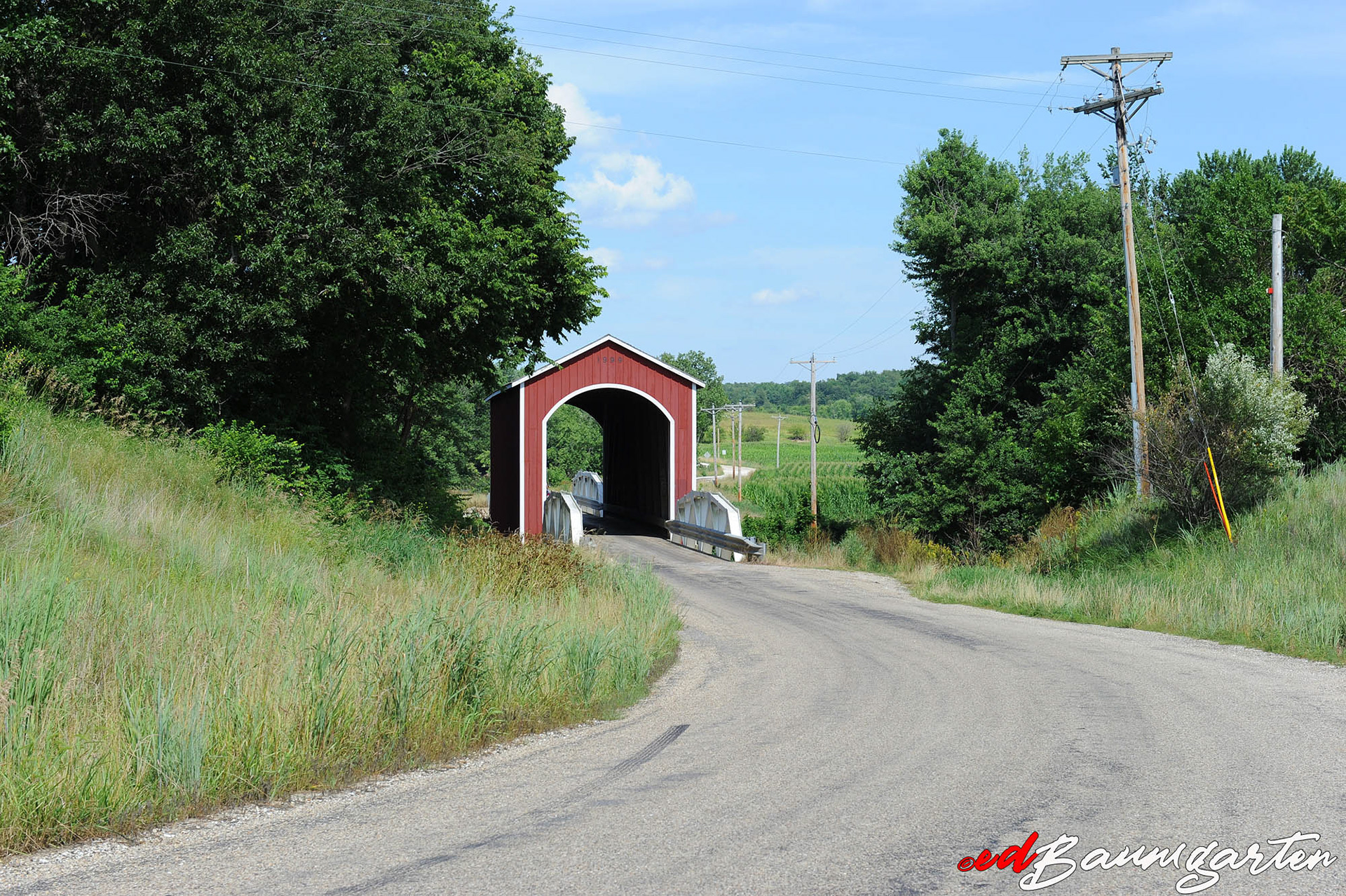
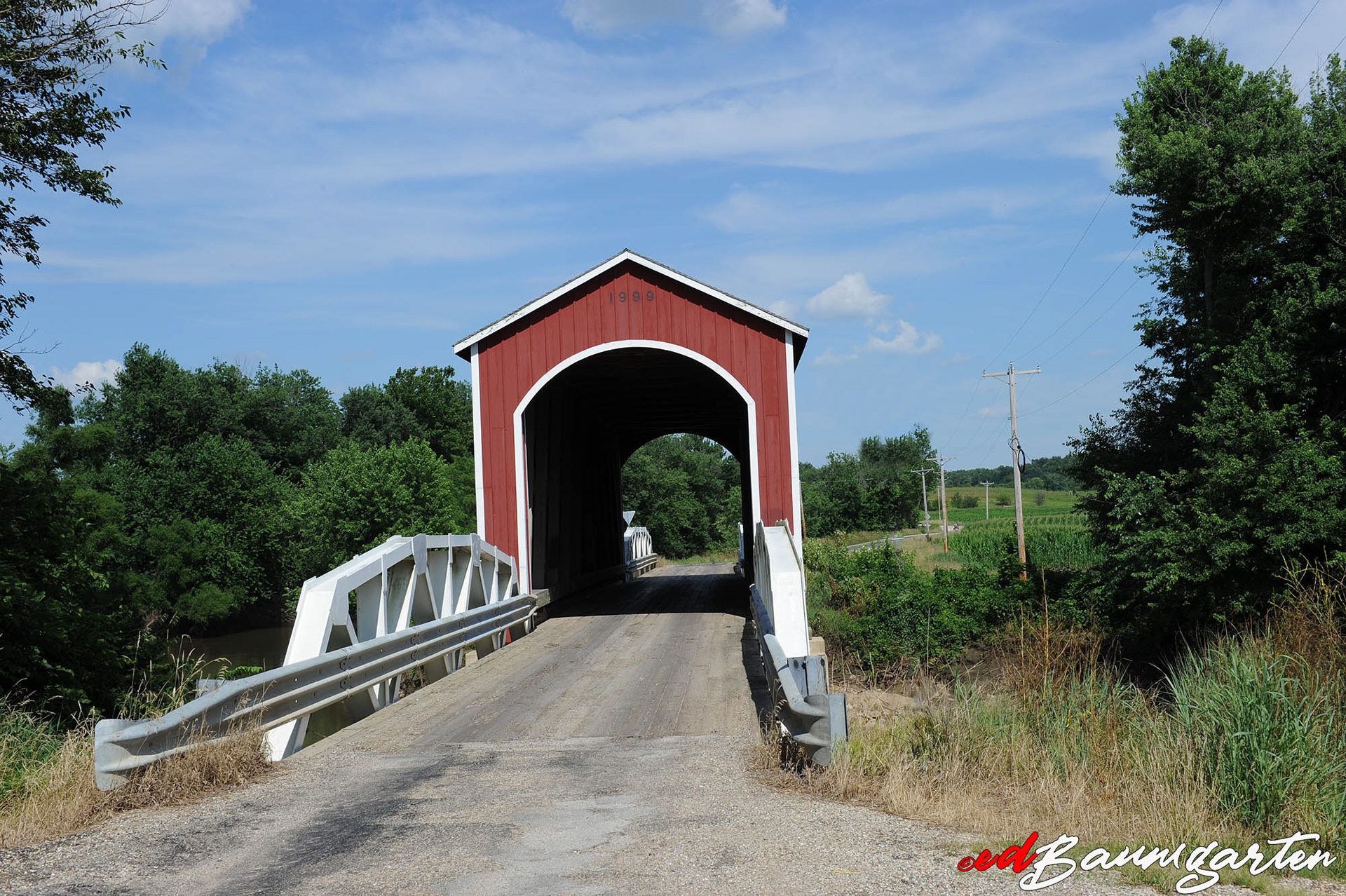
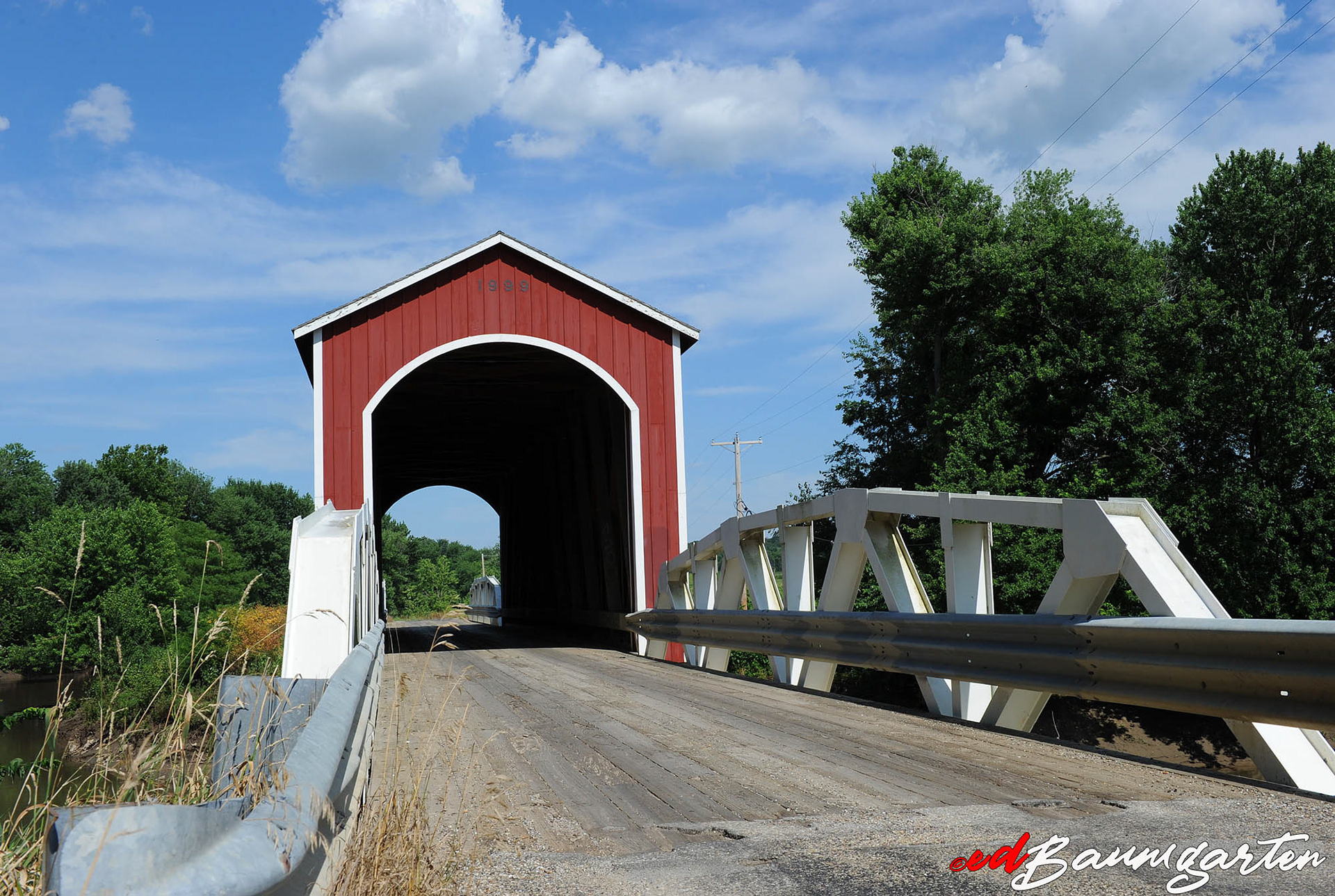
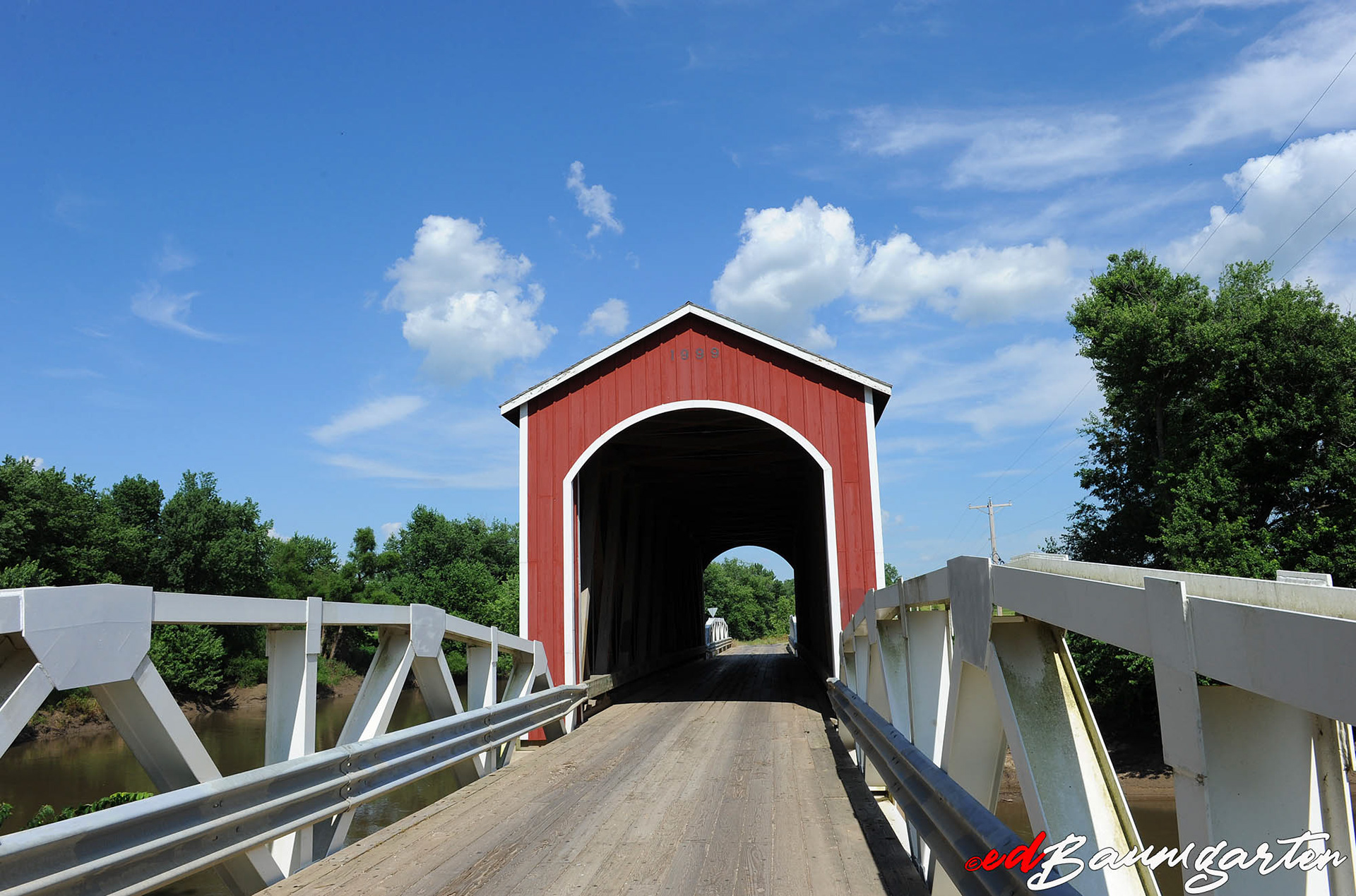
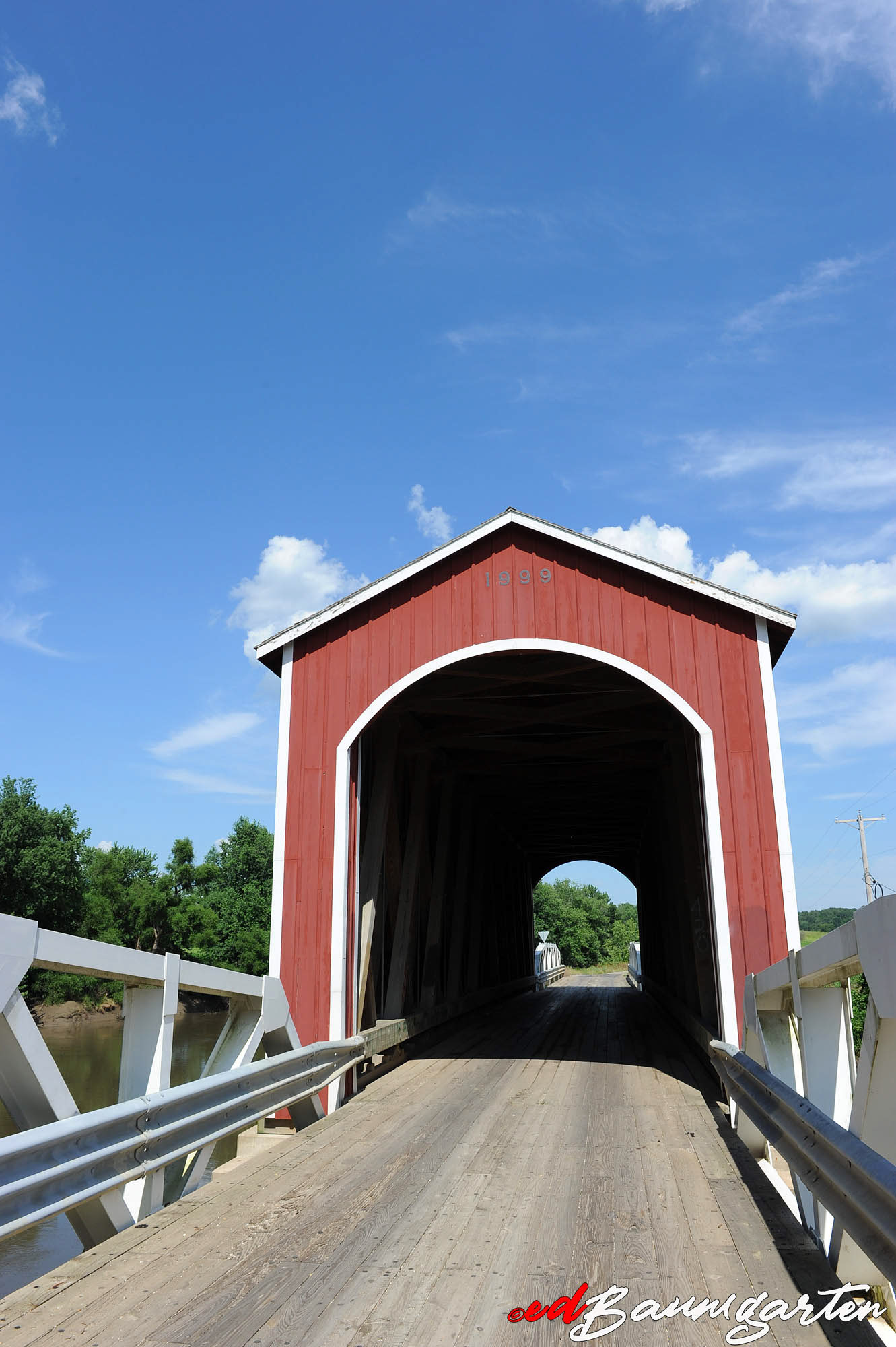

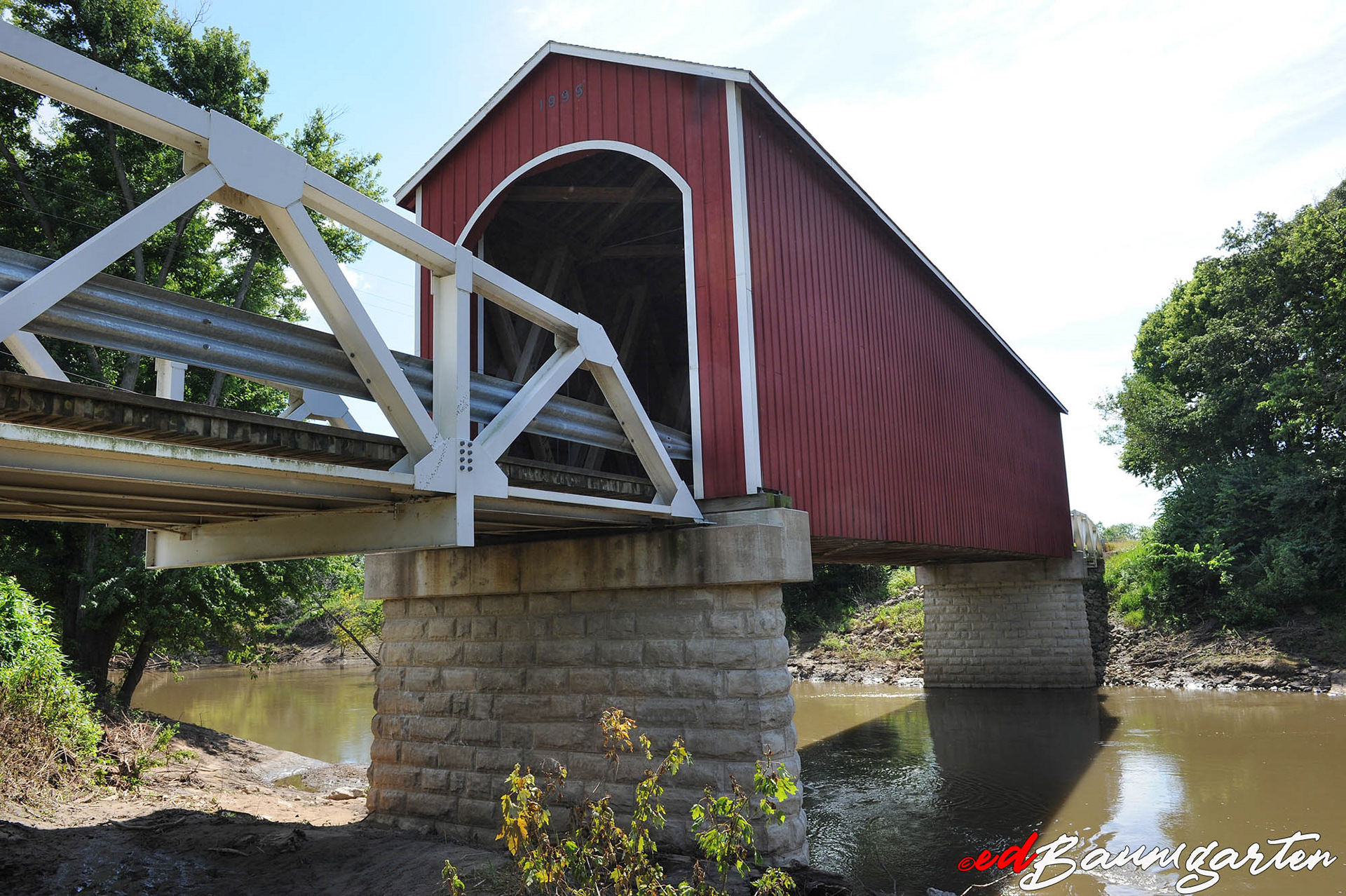
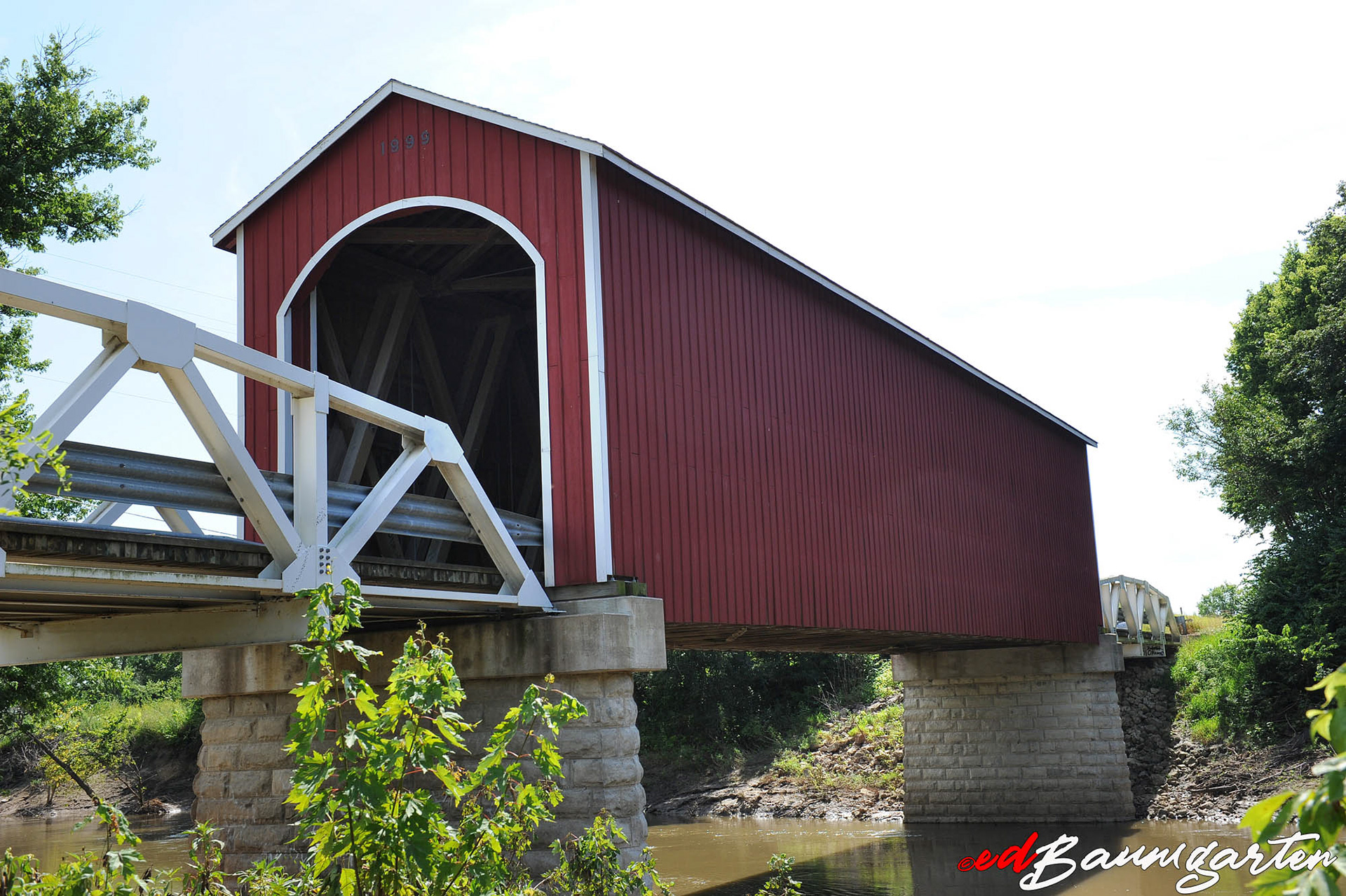
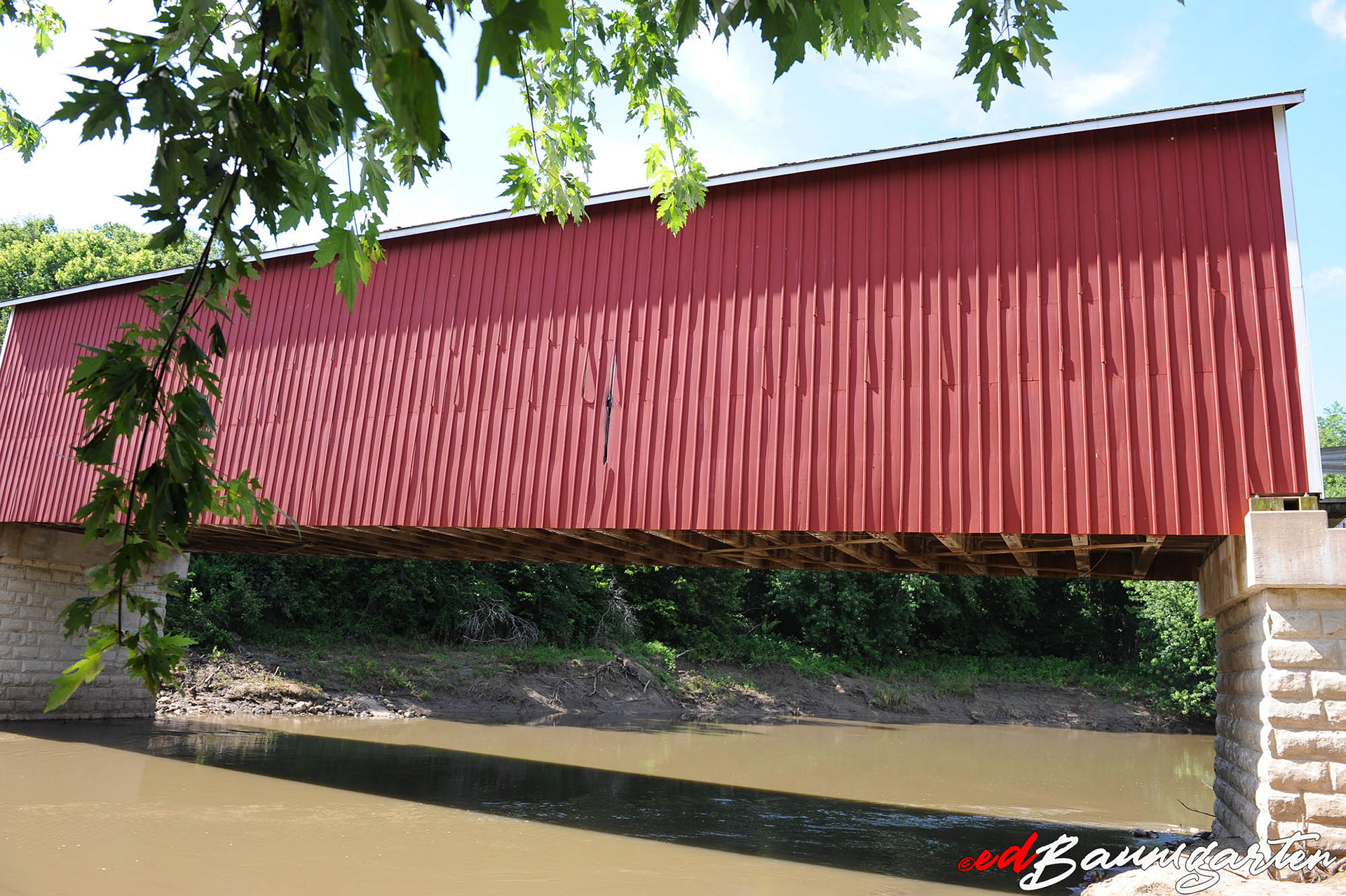
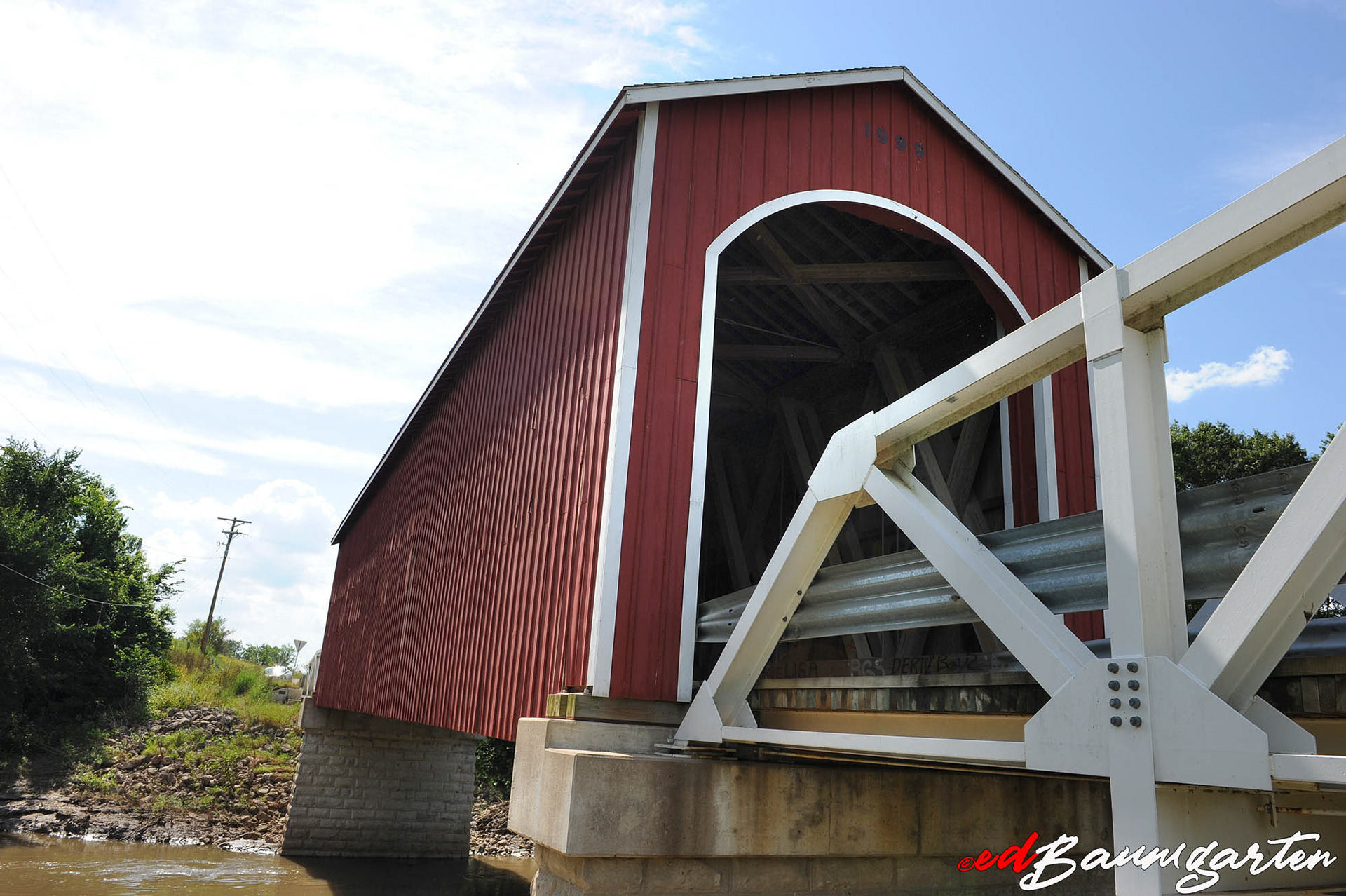

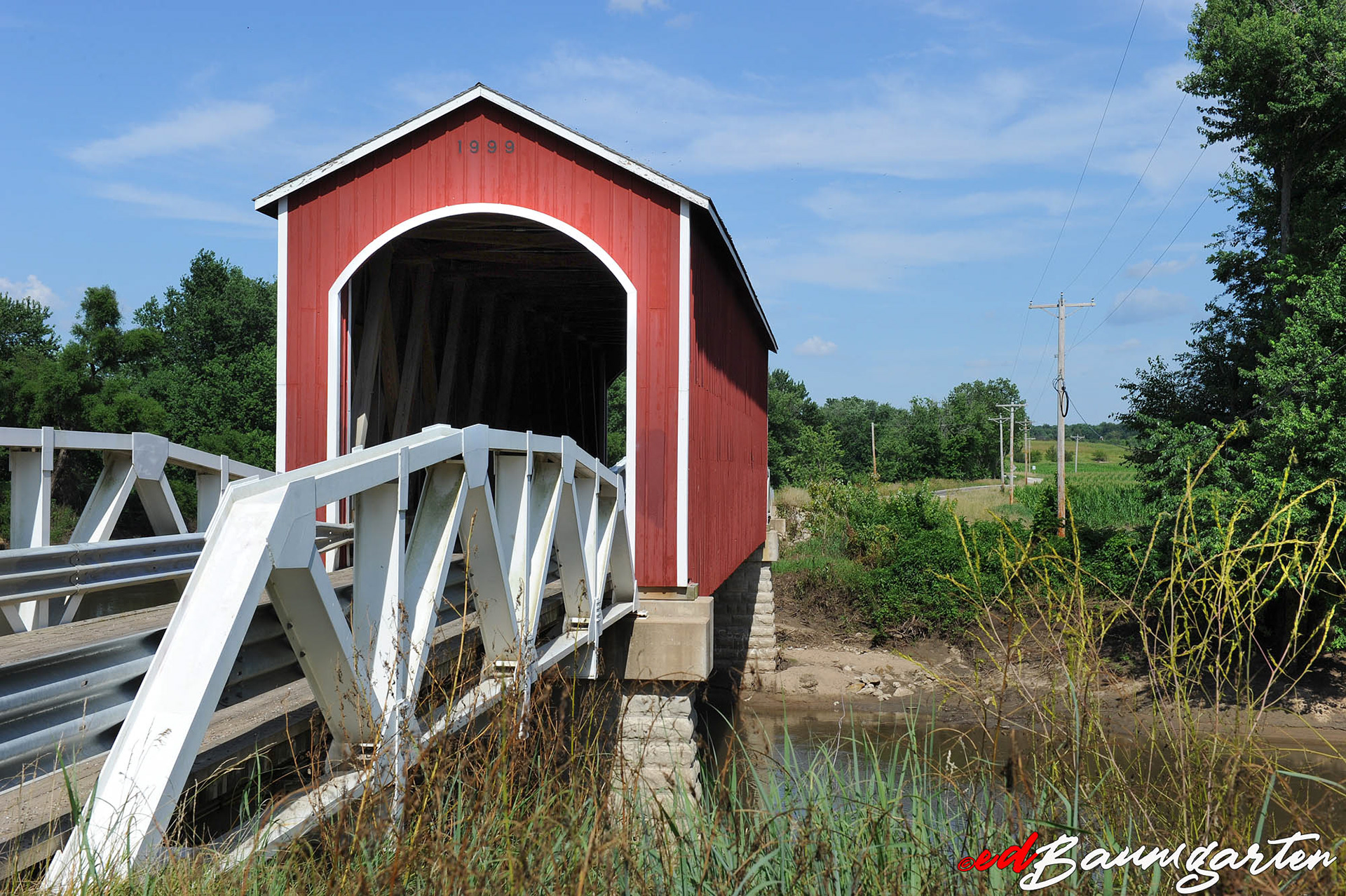
Reborn from the Ashes: The Resilient History of Knox County’s Wolf Covered Bridge If you ever find yourself driving through the scenic, rolling farmland of Knox County, Illinois, you might feel like you’ve accidentally stumbled onto a movie set. Tucked away in a quiet river valley about ten miles southeast of Knoxville, the Wolf Covered Bridge spans the historic Spoon River. While it doesn’t get quite as much Hollywood fame as its cousins in Iowa, this charming local landmark has an incredibly rich—and at times, dramatic—history. What you see today isn't just an old wooden bridge; it's a labor of love that a dedicated community literally had to rebuild from the ashes. The Cattle Rancher and the Civil War Captain The story of the bridge begins long before it ever had a roof. In 1848, a prominent local cattle rancher named Jacob Wolf built a sturdy, open-air wooden deck bridge across the Spoon River so he could drive his herd of nearly 500 cattle across the water to graze. While humans didn't mind the open view, livestock certainly did. Cattle and horses are notoriously timid about crossing open-air bridges where they can see the rushing water below; a sudden flash of light or movement could easily trigger a dangerous stampede. Enter Captain James Burkhalter, a Civil War veteran who settled in the area. In 1874, a year after a massive local flood, Burkhalter undertook the task of enclosing Jacob Wolf's bridge. He used a Howe Truss design—a state-of-the-art system for the time that mixed wooden timber framework with iron vertical rods. Enclosing the bridge served two brilliant purposes: Practical Engineering: It protected the heavy structural timbers from rain and snow, tripling the bridge’s lifespan. The "Barn Door" Effect: Because the darkened, covered bridge resembled the safe, familiar entrance of an open barn door, Wolf's cattle and horses crossed the river willingly and without hesitation. For the next 120 years, the bridge became a beloved staple of Knox County. Generations of children played a game trying to hold their breath from one end of the 234-foot structure to the other, couples sneaked kisses in its shadows, and it became the proud symbol of the annual Knox County Scenic Drive. A Heartbreaking Loss On the morning of August 1, 1994, the community’s heart broke. A call came in to local firefighters, but by the time they arrived on the scene, there was nothing left but the smoking concrete approaches. The historic bridge had been completely destroyed by an all-night fire. Investigators later discovered that the fire was an act of arson, started by three local teenagers who had been using drugs inside the bridge and set fire to papers. A century of local history, hand-carved graffiti, and memories went up in smoke in a single night. Because the original structure was entirely lost, it was sadly removed from the National Register of Historic Places. Rebuilding a Legend Many feared that the Wolf Covered Bridge was gone forever, likely to be replaced by a sterile, modern concrete-and-steel overpass. But Knox County residents refused to let that happen. A passionate group of local citizens rallied, pushing the state and local government to fund a total reconstruction. The goal wasn’t just to build a bridge—it was to build the bridge. In 1998, master craftsmen using traditional timber-framing skills went to work creating an exact replica of the 1874 structure. The project faced delays due to a shortage of the massive, high-quality timber required, but the community’s patience paid after a roughly $900,000 investment. The brand-new, resurrected Wolf Covered Bridge officially celebrated its grand opening on September 25, 1999. Visiting the Bridge Today The modern replica is a stunning tribute to the original, but with a few clever upgrades. The builders made the new bridge slightly wider and gave it a higher clearance so that modern cars, pickup trucks, and even local dairy tankers can actually drive right through it. To ensure history never repeats itself, the county also installed high-tech heat sensors and a fire prevention system inside the structure. Today, you can still drive down Knox County Road 17, roll your windows down, and listen to the tires rumble across the wooden floorboards just like travelers did over a century ago. Surrounded by quiet woods and grazing cattle, it stands as a beautiful reminder that history is worth fighting for. Google maps link (copy and paste) https://maps.app.goo.gl/w6EiYrk3YYPzkaQ46