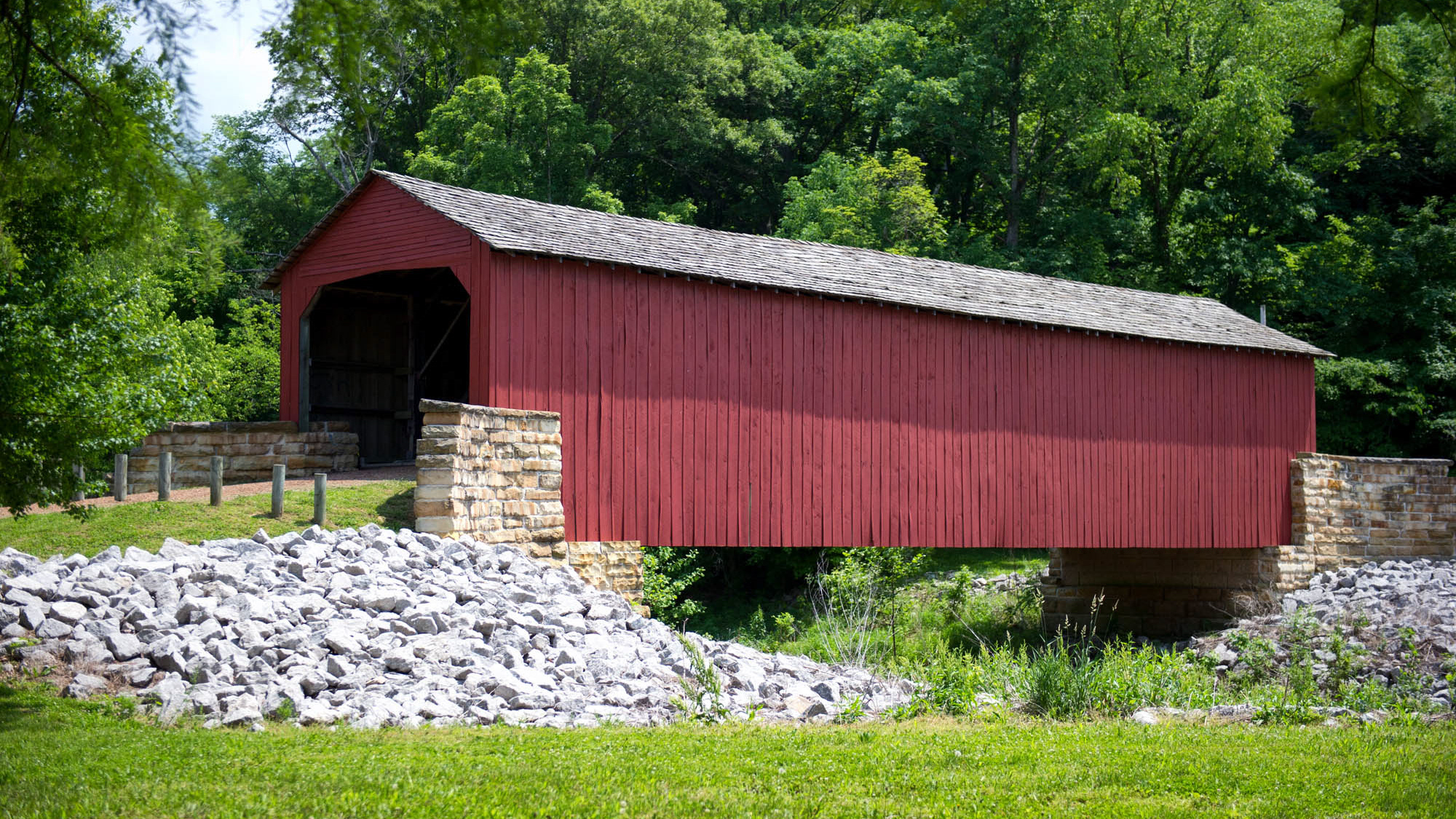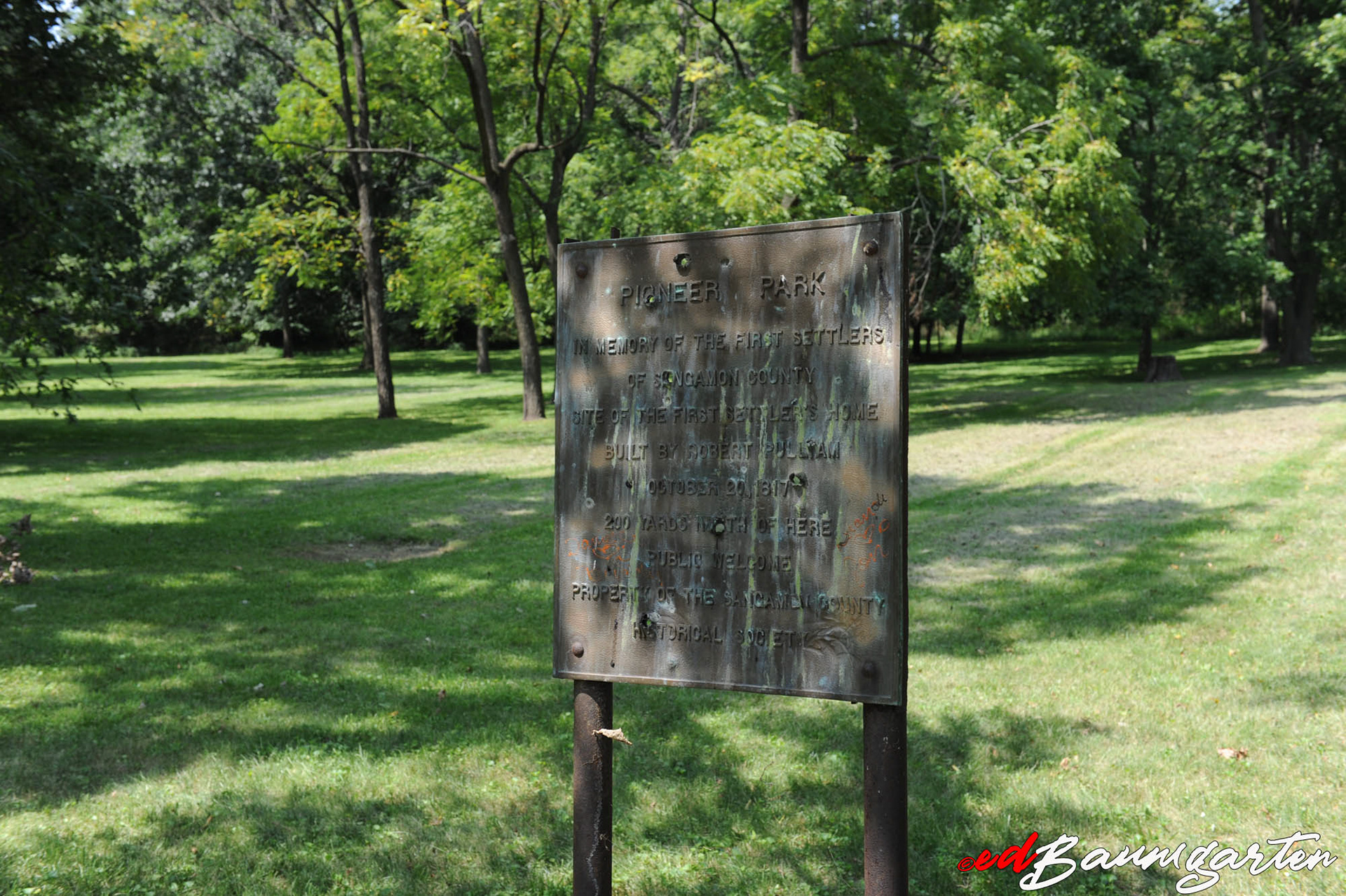
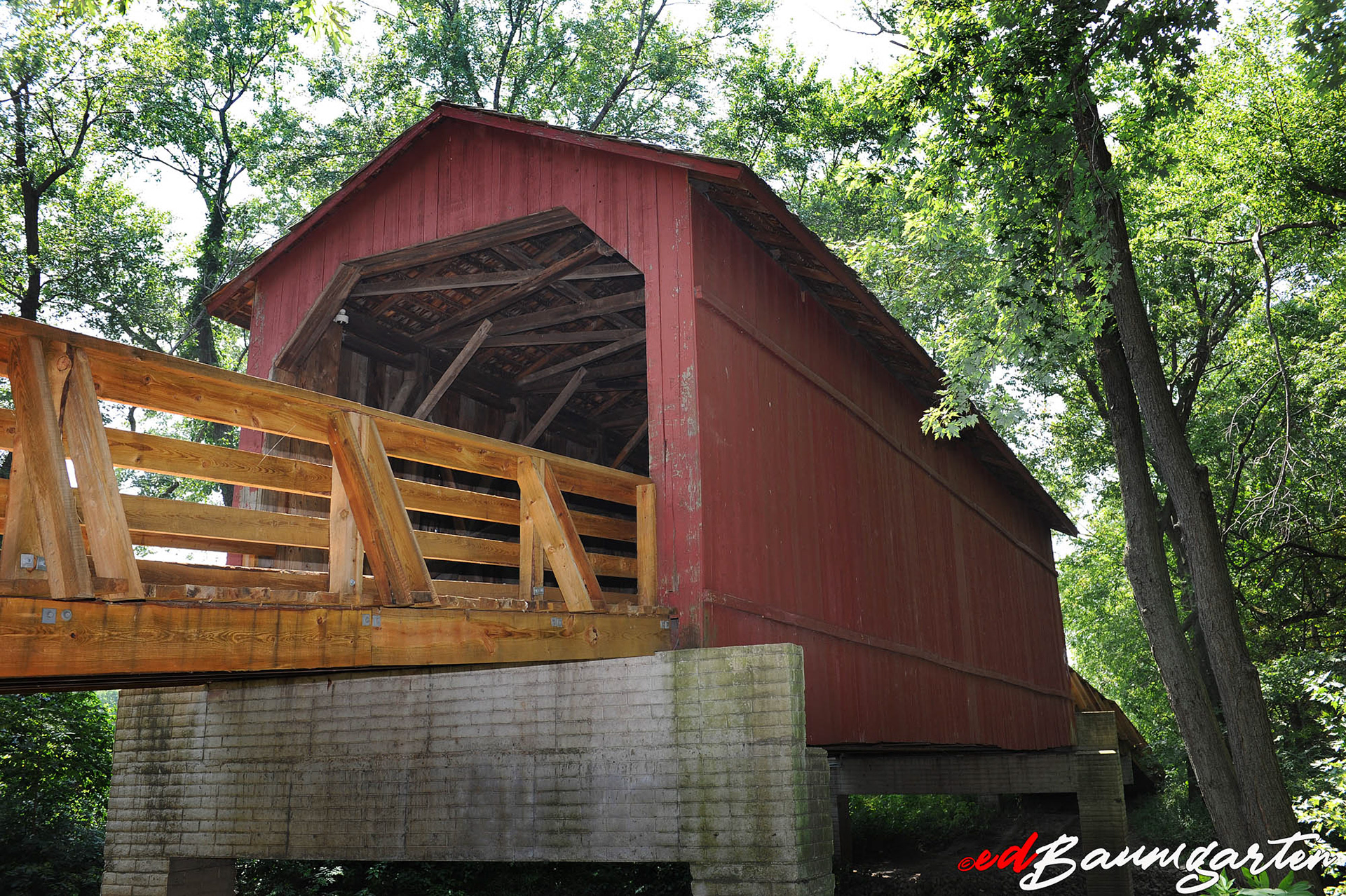
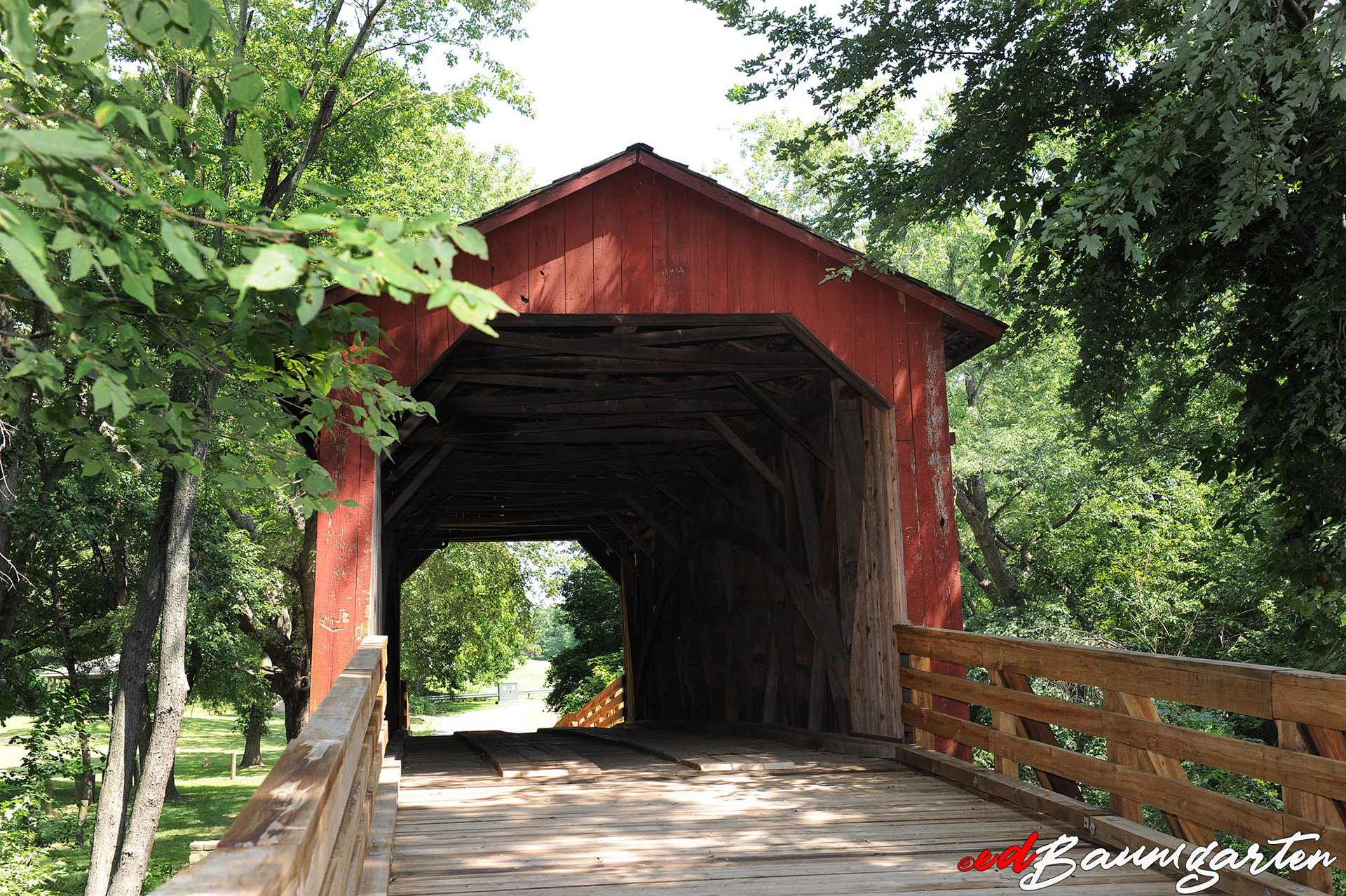
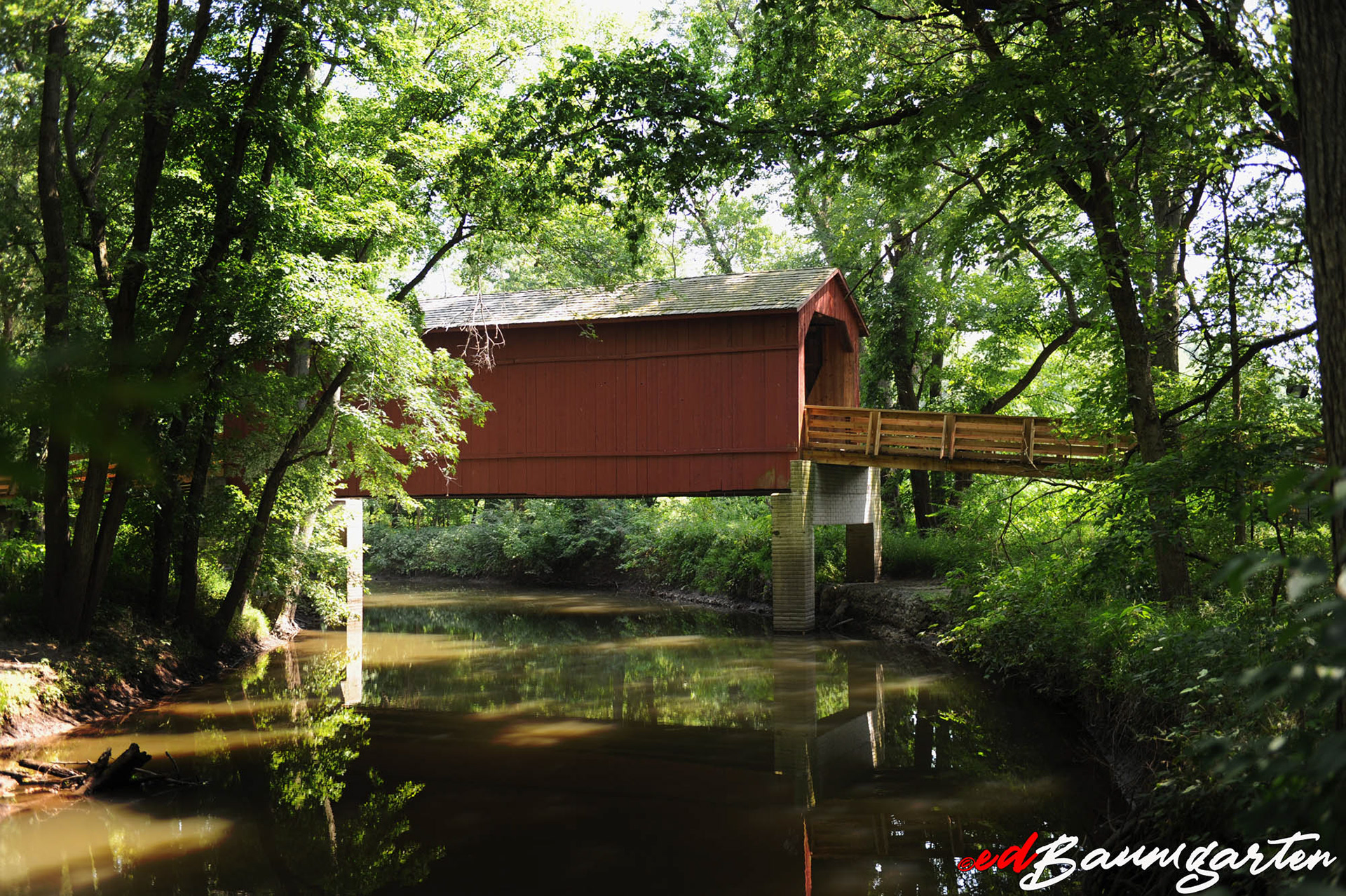
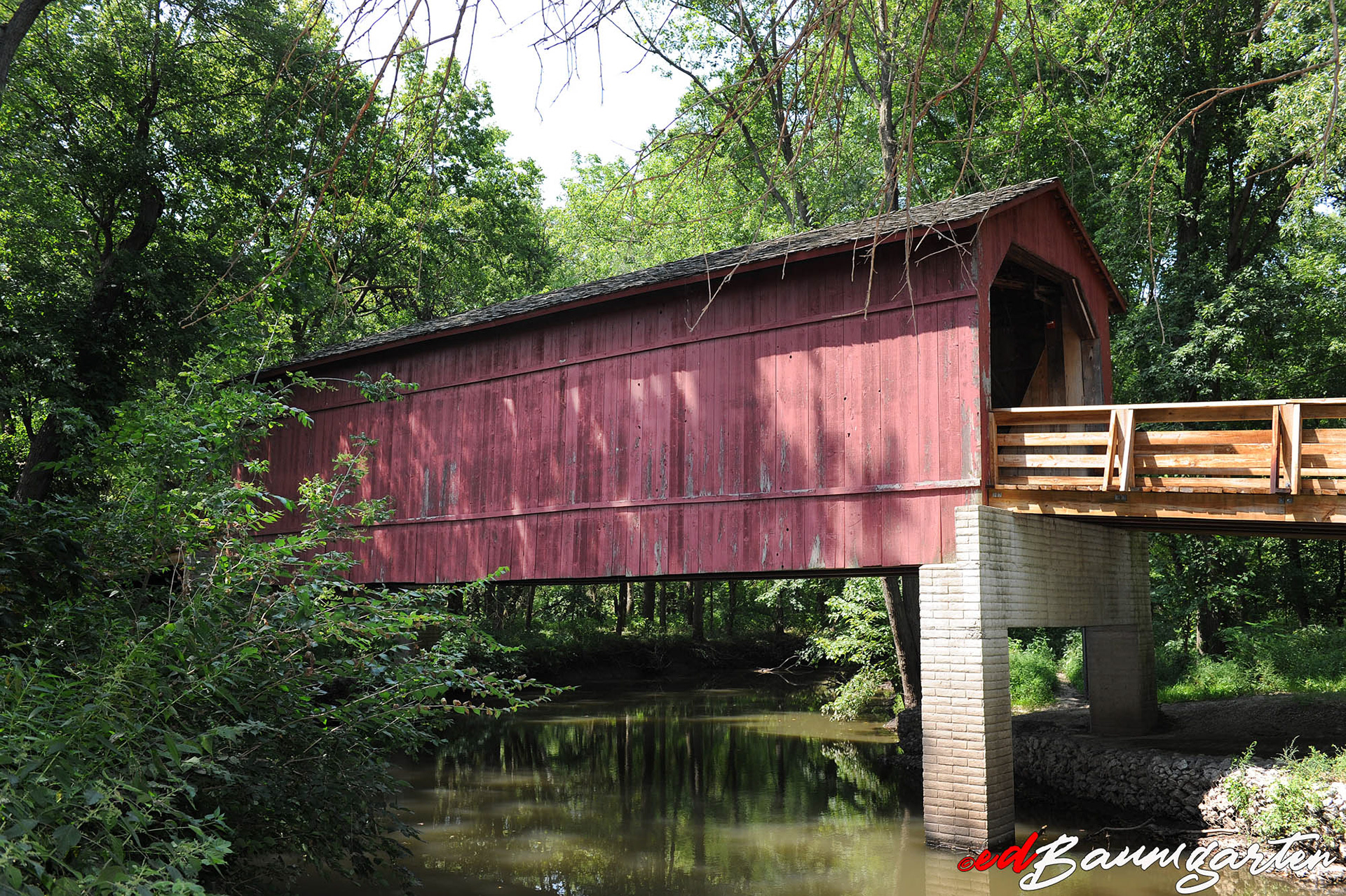
Crossing into the Past: The Story of Illinois’ Sugar Creek Covered Bridge Tucked away just a few miles southeast of Chatham and west of Glenarm, Illinois, lies a serene portal to the 19th century. The Sugar Creek Covered Bridge, one of the state's few remaining historic wooden-trussed bridges, stands as a quiet testament to pioneer-era engineering and community spirit. Surrounded by the lush greenery of Pioneer Park, this local treasure continues to captivate history buffs, photographers, and roadside travelers alike. A Disputed Dawn: The Origins of the Bridge While the bridge is an undeniable piece of Illinois history, its exact birthdate remains a subject of friendly historical debate: The Folklore: Local legend attributes the original construction to Thomas Black, an early settler who operated a nearby mill and tavern, dating the bridge as far back as 1827. The Documentation: Official surveys pin today's structure to 1880. Historical records show that Sangamon County was paying for upkeep at the site as early as 1845, meaning a crossing certainly existed before the current bridge took shape. Affectionately known over the years as the Glenarm Bridge or Headley Bridge (after a 19th-century landowner), it was officially added to the National Register of Historic Places on January 9, 1978. The Architecture: The Burr Arch Truss At a modest length of roughly 60 feet, the Sugar Creek Covered Bridge holds the distinction of being the shortest public historic covered bridge in Illinois. Despite its size, its engineering is remarkably robust, utilizing the classic Burr Arch Truss design. This architectural style strengthens the bridge by combining radial wooden arches with a triangular truss framework. Why Cover a Bridge? Contrary to popular romantic myth—like giving travelers a dry place to sneak a kiss—bridges were covered for a purely practical reason: to protect the heavy wooden structural timbers from rot caused by rain and snow. A covered wooden bridge could last for decades, whereas an uncovered one would rot away in about ten years. In 1965, the bridge was reinforced from underneath with modern steel beams and a new foundation. This hidden infrastructure keeps the historic wooden aesthetic intact above while ensuring the structure won't collapse into the creek below. From Commerce to Conservation For over a century, the bridge served as a vital vein for early traders, farmers, and settlers moving through Sangamon County. However, as modern vehicles grew heavier and wider, the narrow wooden pass could no longer keep pace. 1963: The State of Illinois acquired the bridge to ensure its preservation. 1984: The bridge was permanently closed to vehicular traffic. Today: It serves exclusively as a pedestrian landmark and the crown jewel of Pioneer Park. Most of Sangamon County’s original covered bridges were lost when Lake Springfield was created in the 1930s, or to devastating fires. The survival of the Sugar Creek bridge makes it an incredibly rare relic—one of only a tiny handful of historic covered bridges left in the entire state. Planning a Visit The Sugar Creek Covered Bridge is a popular, quick detour for road-trippers traveling down Historic Route 66 or Interstate 55 (Exit 83 at Glenarm). The surrounding Pioneer Park offers a peaceful picnic area, making it the perfect spot to stretch your legs, take some photographs, and stand beneath the historic timbers where generations of Illinoisans walked before. Google maps link (copy and paste) https://maps.app.goo.gl/as6HKh87jT9JYxYf7