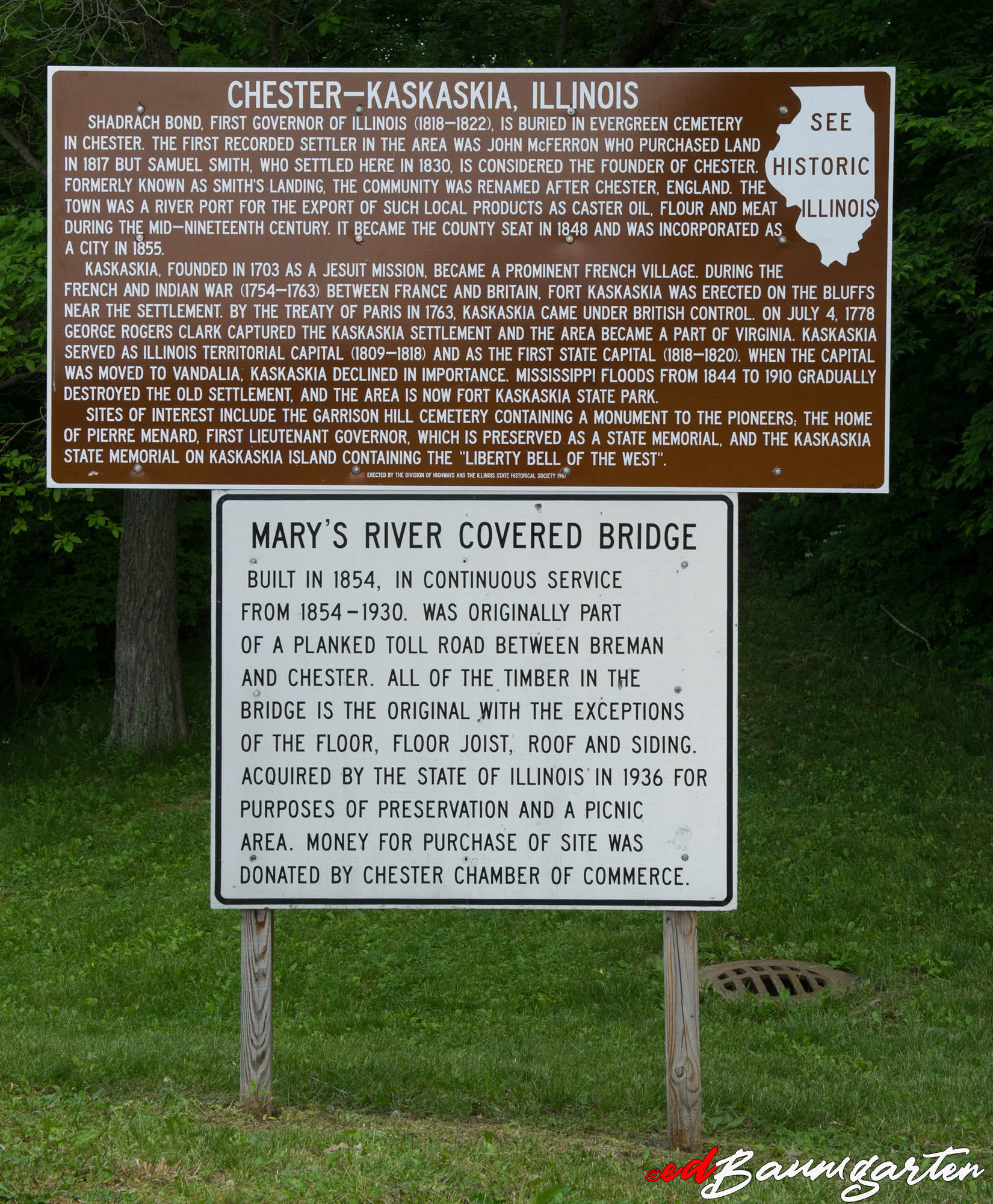
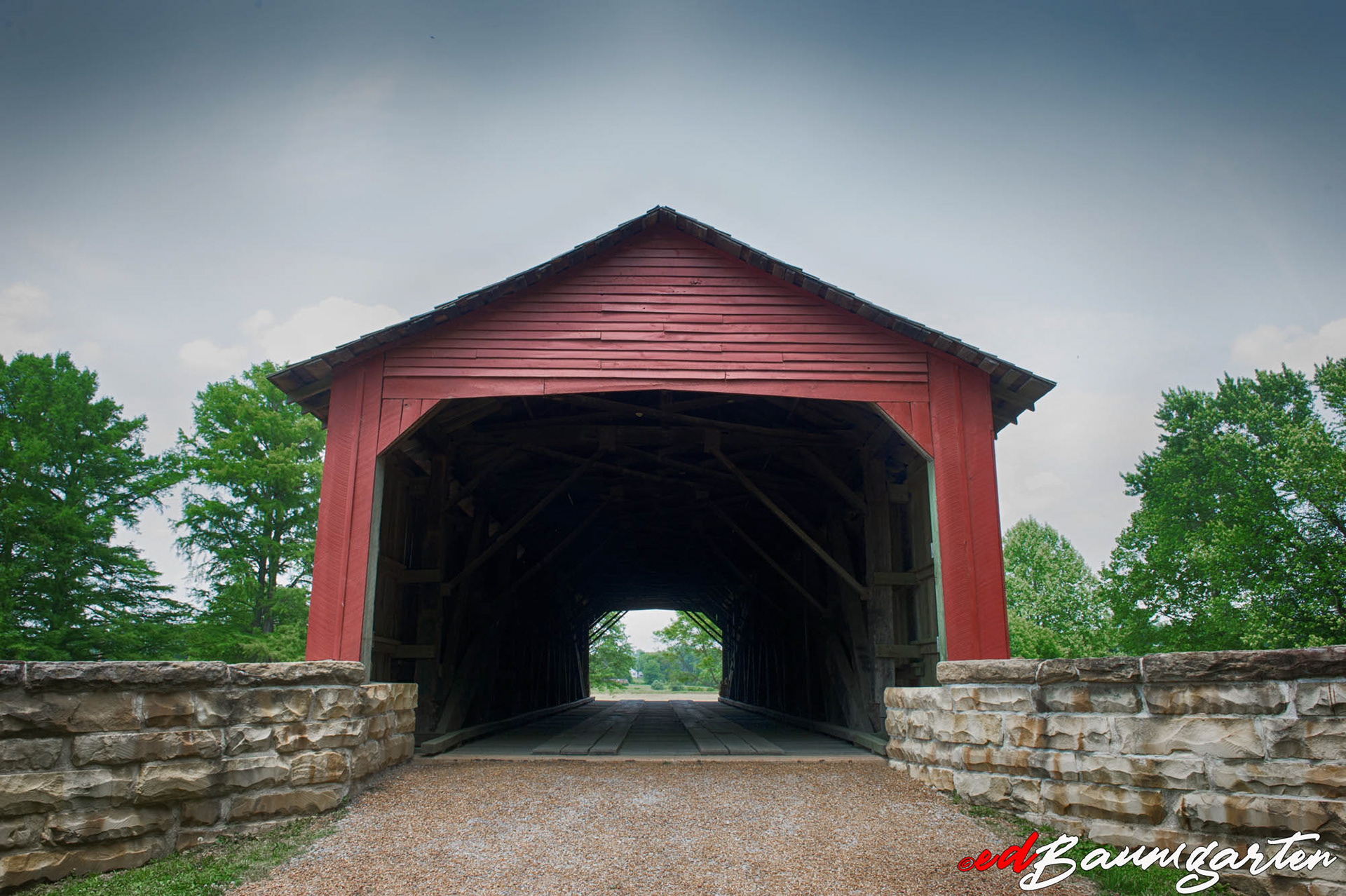
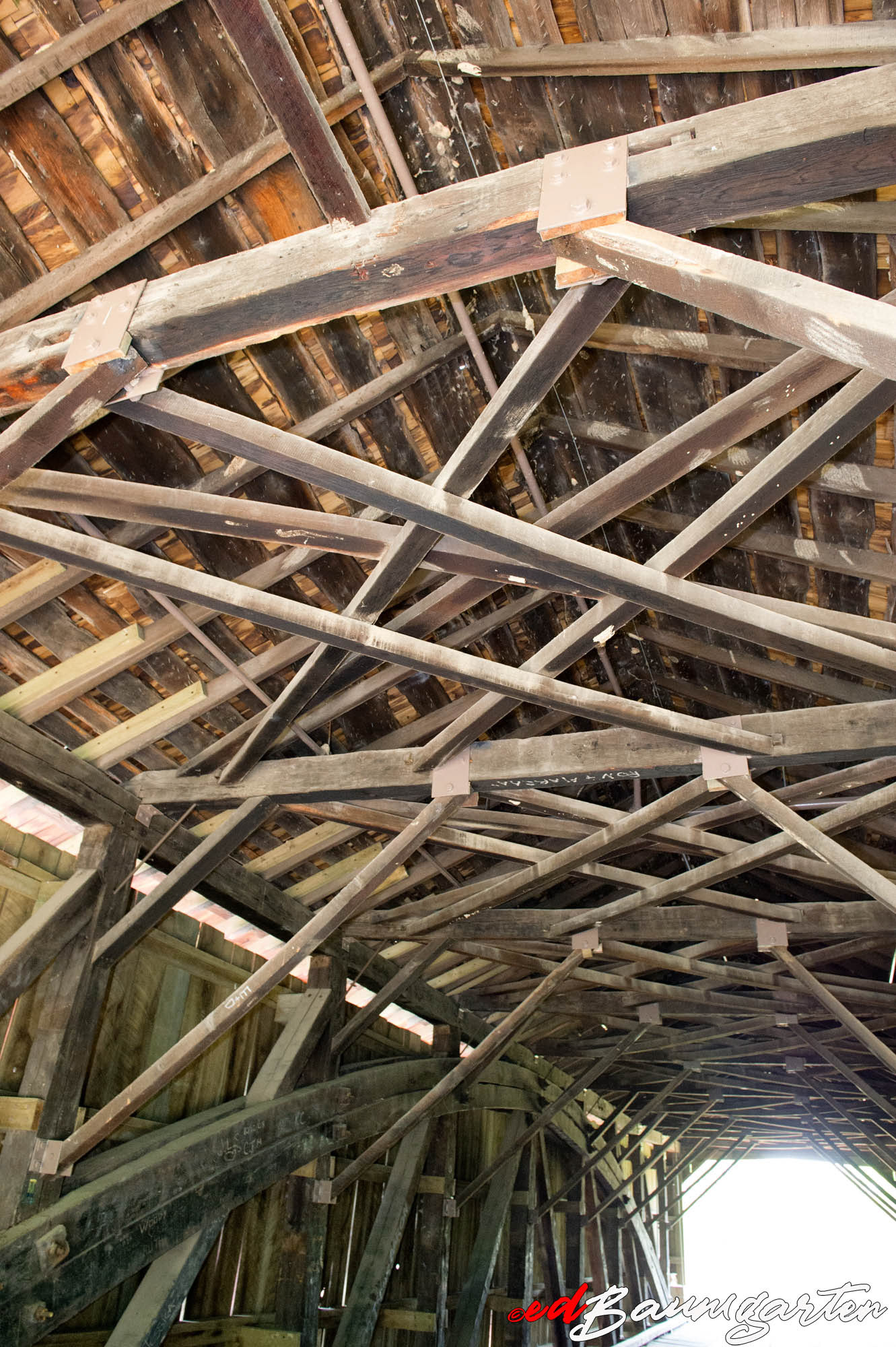


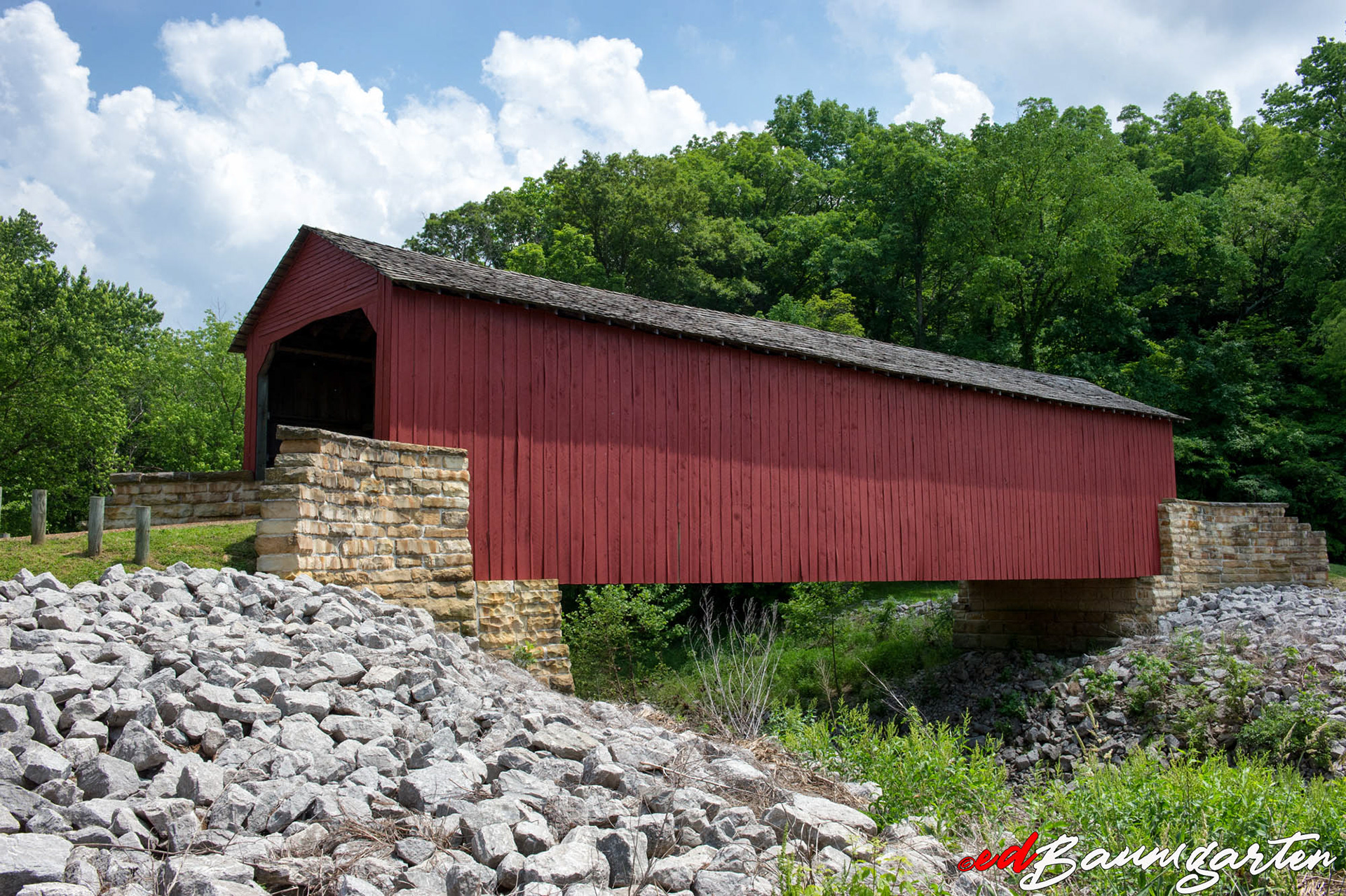
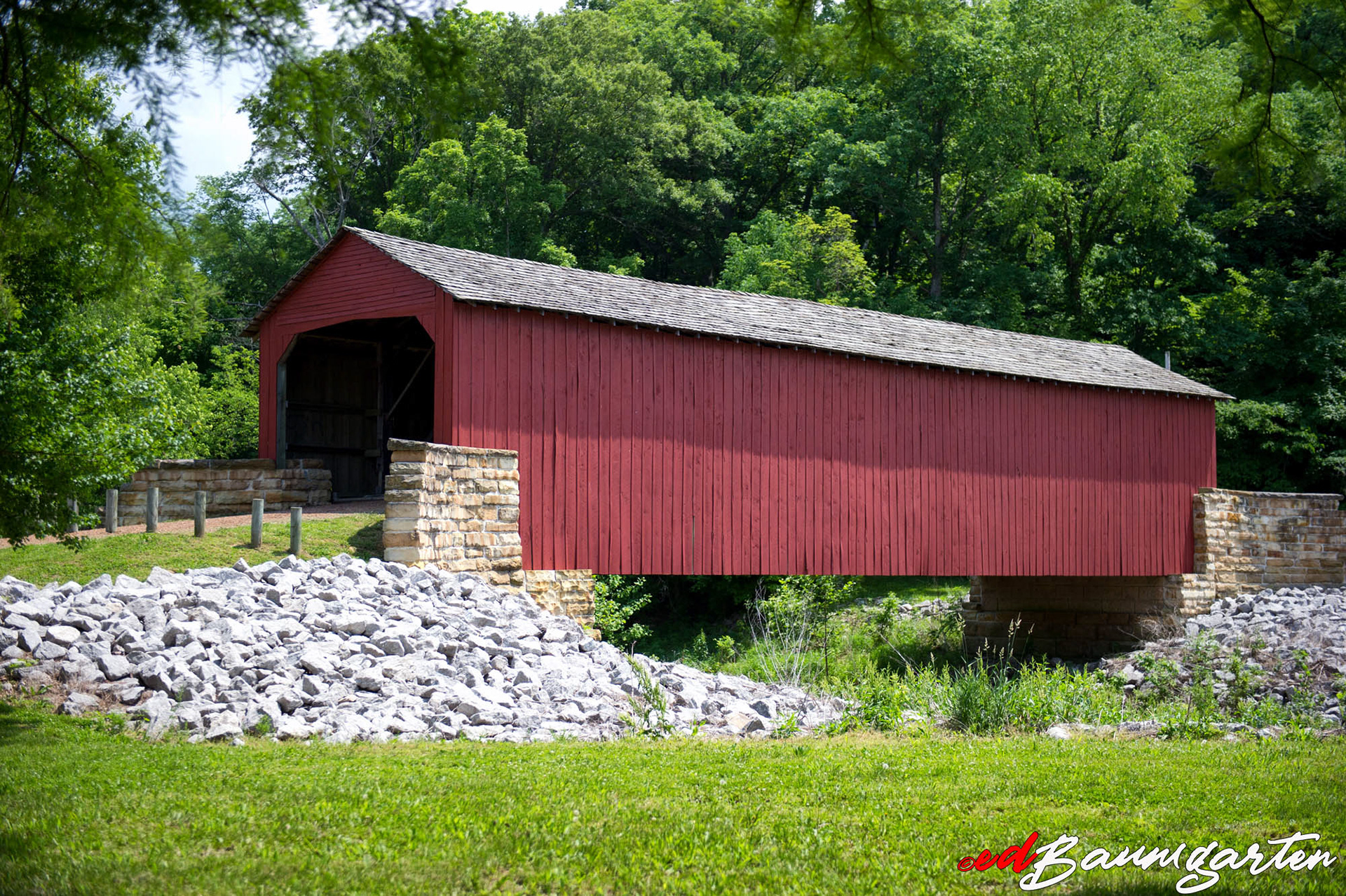
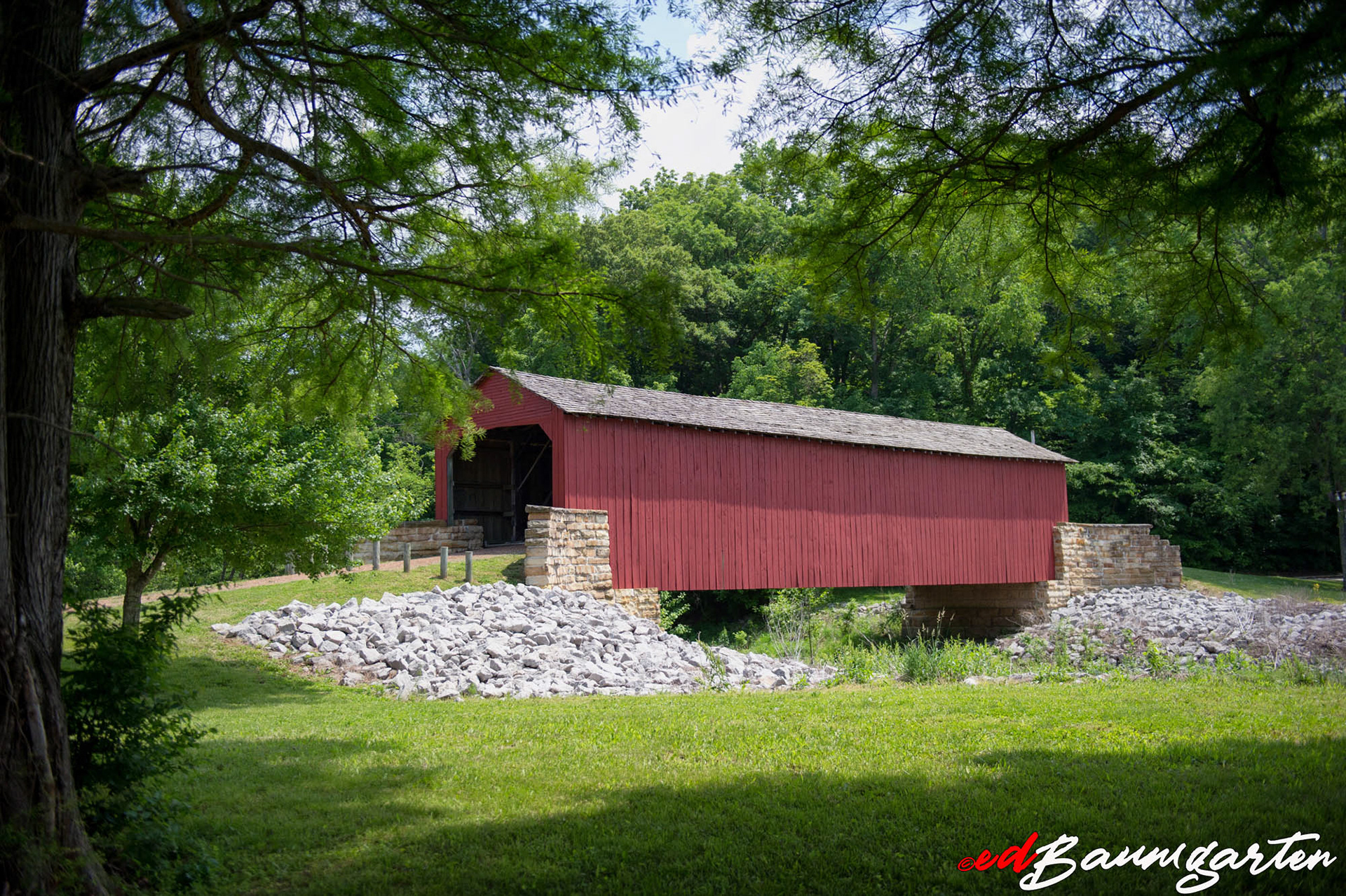
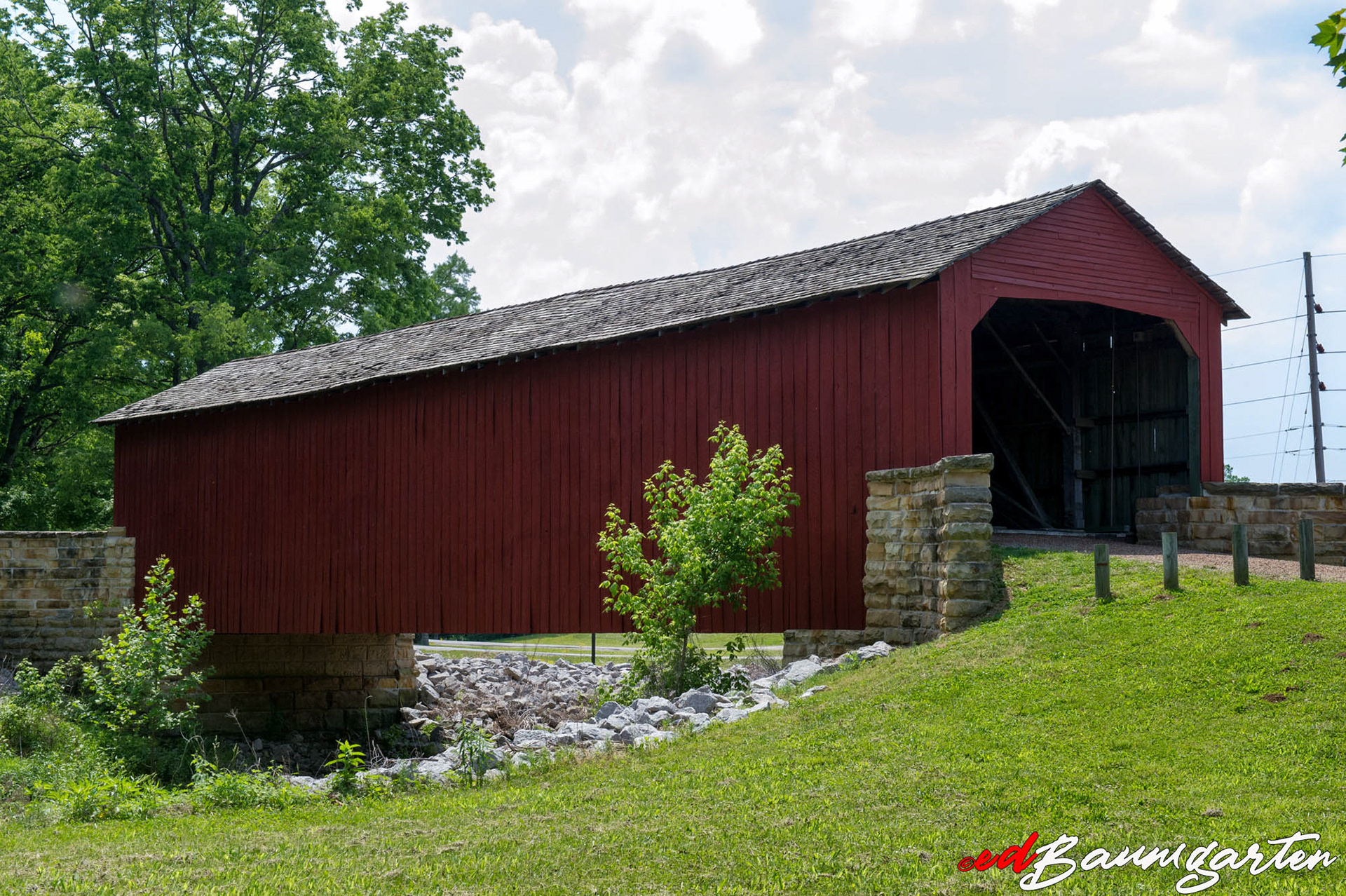
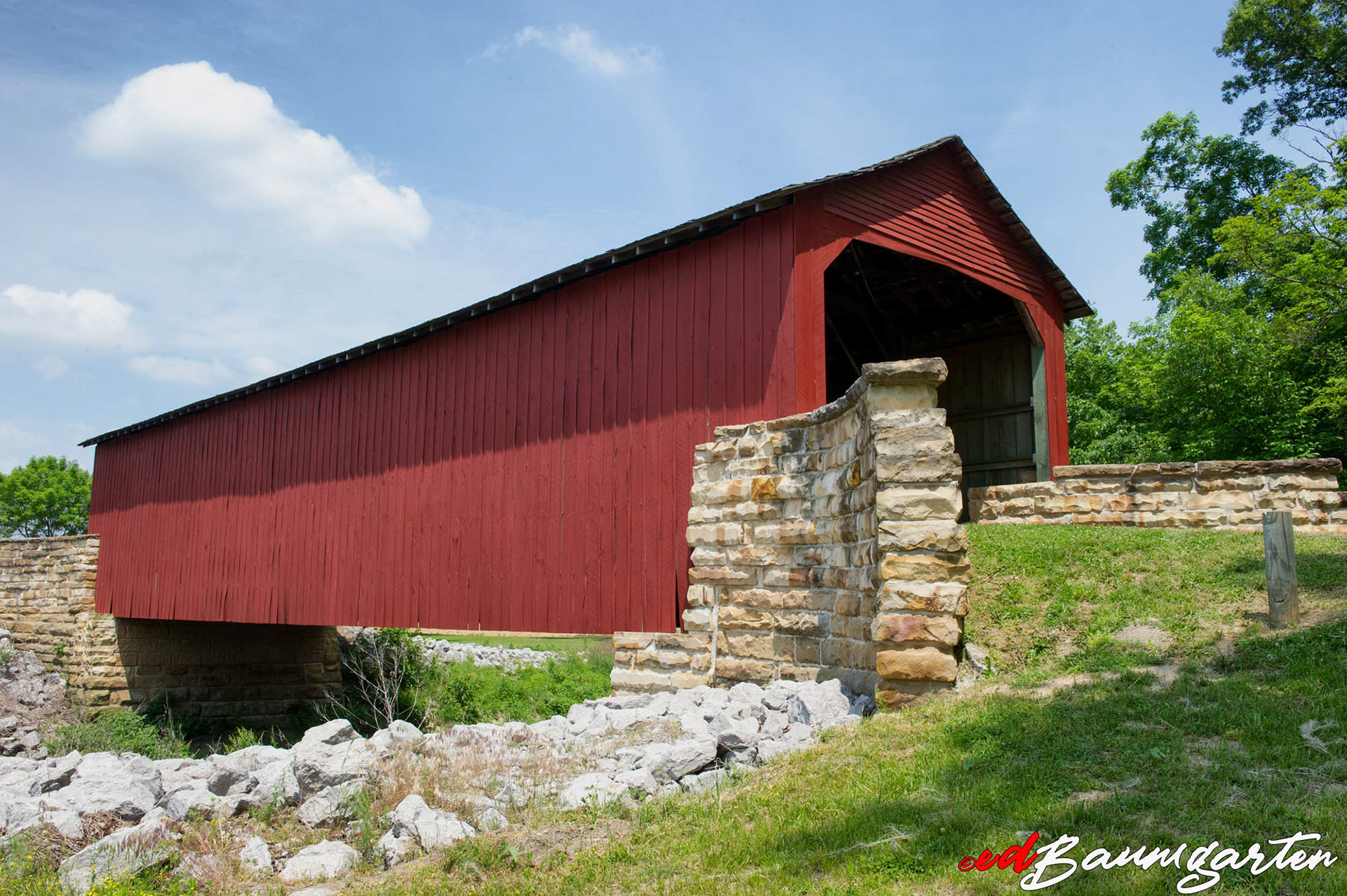
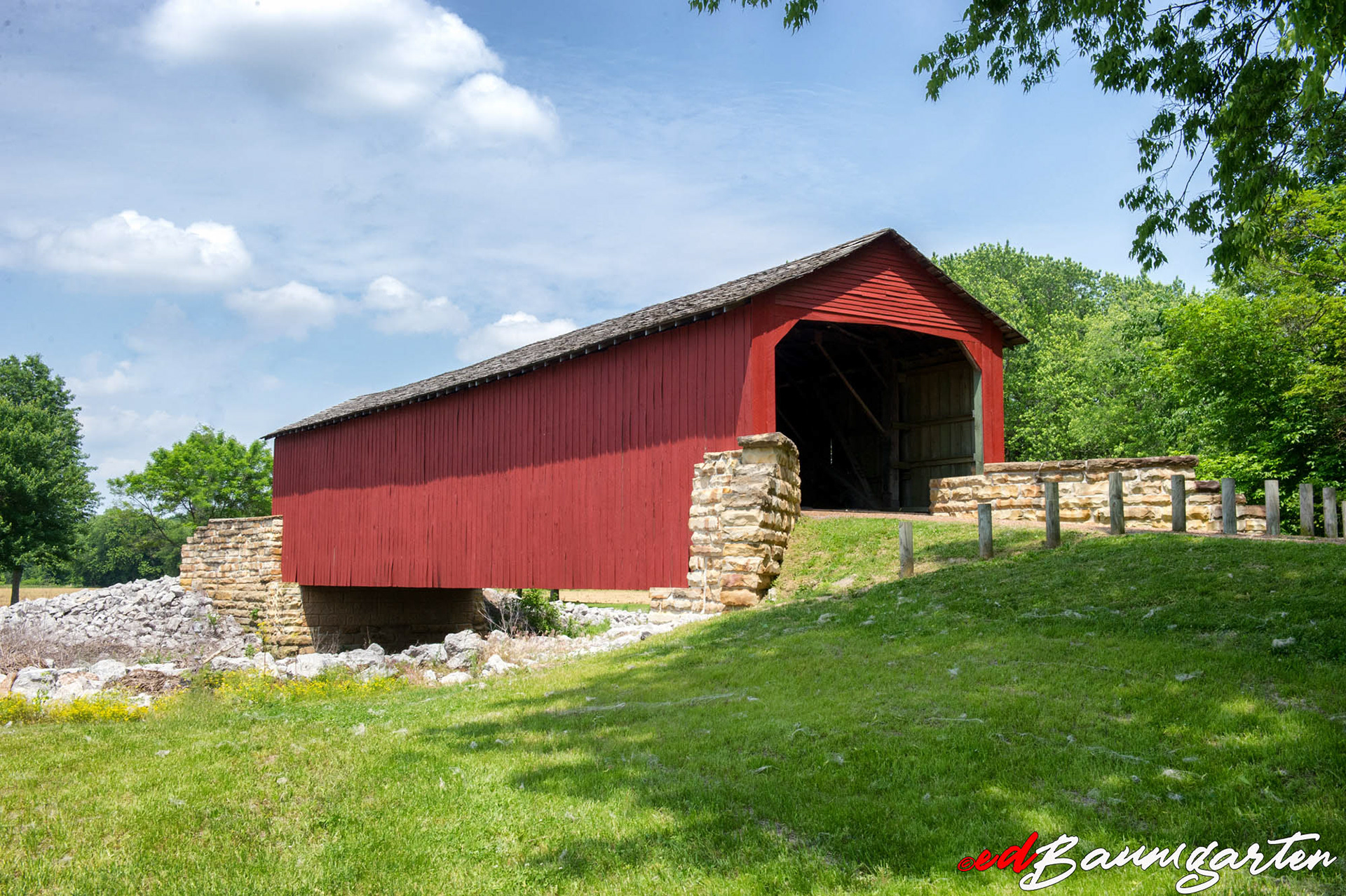
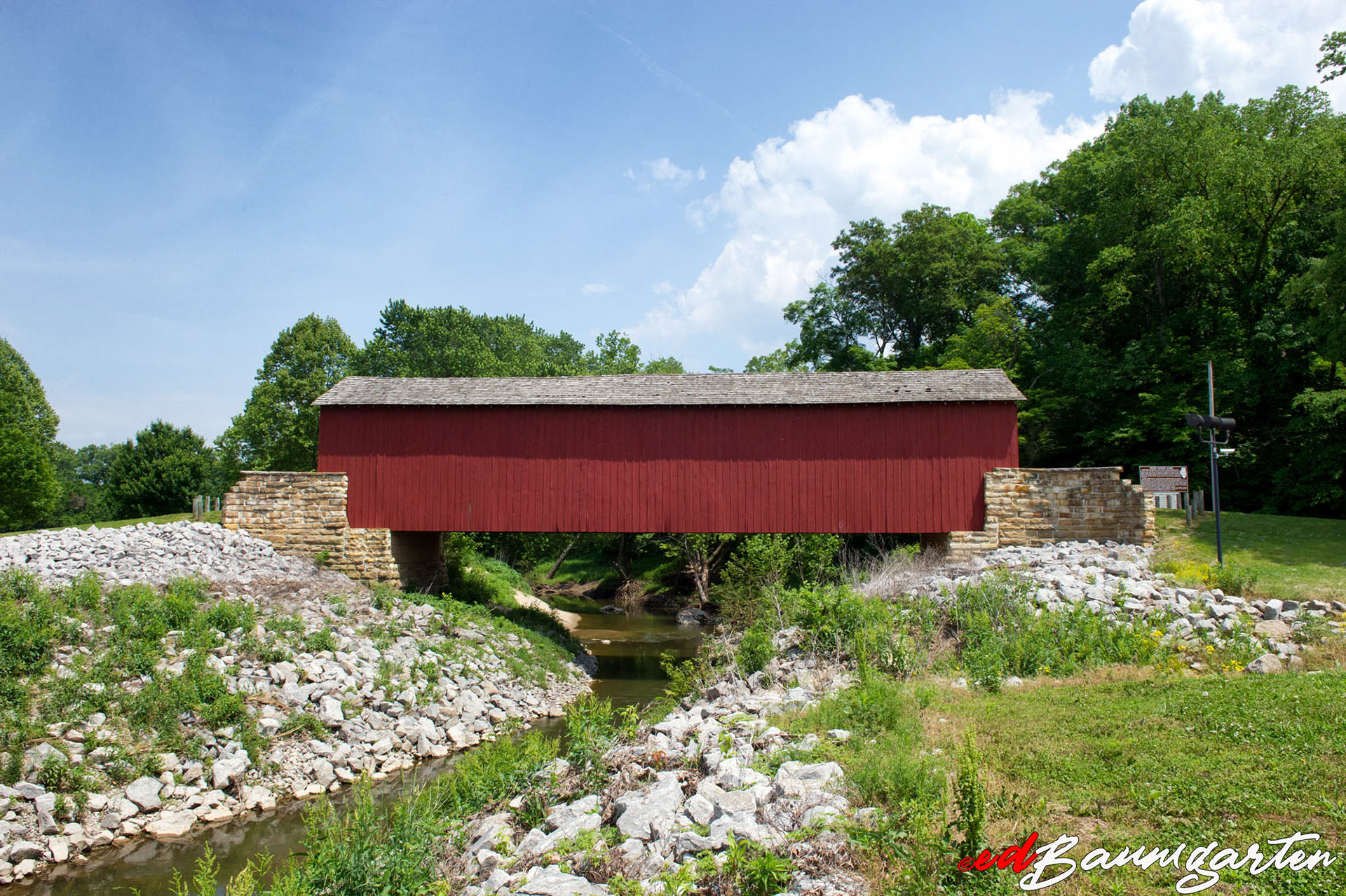
Shadows of the Civil War Era: Illinois’ Historic Mary’s River Covered Bridge Nestled in the rolling hills of Southern Illinois, just four miles northeast of the Mississippi River town of Chester, stands a remarkable monument to mid-19th-century innovation. The Mary’s River Covered Bridge (often referred to as the Little Mary’s River Covered Bridge) holds two incredible distinctions: it is the oldest remaining covered bridge in the entire state of Illinois, and it is the only historic covered bridge left standing in the southern half of the state. For travelers touring the Great River Road or seeking out historic hidden gems, this picturesque structure offers a peaceful, tangible step back in time. Built for the Plank Road Boom To understand why the Mary’s River Covered Bridge was built, one has to look back to the economic boom of the 1850s. At the time, Chester, Illinois, was a bustling, critical port town on the Mississippi River. Farmers and traders from inland communities like Bremen desperately needed a reliable way to transport their agricultural goods to Chester's docks. In 1854, a private entity known as the Plank Road Company hired Wilhelm Misselhorn, a German immigrant master craftsman, to construct the bridge. It was designed as a vital link in a nine-mile wooden toll road made of heavy planks. For nearly two decades, travelers paid a toll to cross the bridge. In the early 1870s, the Plank Road Company sold the structure to Randolph County, which abolished the toll and integrated the bridge into the local public road system. The Architecture: Native Oak and the Burr Truss Spanning an impressive 86 feet in length and measuring nearly 18 feet wide, the Mary’s River Covered Bridge utilizes the famous Burr Arch Truss design. This engineering technique integrates a massive timber arch into a series of triangular trusses, providing immense structural stability capable of handling heavy wagons. What makes the bridge particularly special to historians is the integrity of its materials. While the roof, siding, floor, and support joists have been replaced during various preservation efforts over the decades, the core structural skeleton—including the massive white oak arches and vertical trusses—consists of the original hand-hewn timber shaped by Misselhorn in 1854. Survival, Storms, and Modern Restoration The bridge enjoyed an extraordinarily long working life, carrying continuous vehicle traffic from the days of horse-drawn carriages through the advent of the automobile. It was finally retired from vehicular service in 1930 when a modern alignment of Illinois Route 150 was built nearby. Recognizing its historical value, the State of Illinois acquired the bridge and its surrounding land in 1936, transforming it into a dedicated historic wayside park. It was officially listed on the National Register of Historic Places on December 31, 1974. The bridge's survival has not been without trial. In early 2023, a severe Midwestern windstorm ripped through Randolph County, causing extensive damage to the bridge's roof and internal safety systems. Rather than letting the landmark deteriorate, the Illinois Department of Transportation (IDOT) launched a meticulous $312,000 restoration project. Completed in September 2025, the rehabilitation successfully blended the old with the new. Craftsmen used period-correct square nails and hand-hewn timbers to mend the historic profile, while subtly adding modern metal tie-down straps, a state-of-the-art fire suppression system, and video monitoring to protect the bridge for future generations. Visiting the Bridge Today Today, the Mary’s River Covered Bridge is fully reopened to the public as a pedestrian-only landmark. Located in a beautifully maintained, tree-lined roadside picnic area off Illinois Route 150, it is a favorite stopover for families, photographers, and history enthusiasts. Walking across its rugged floorboards, visitors can easily imagine the rhythmic clip-clop of horse hooves from a bygone era, experiencing a remarkably preserved piece of Illinois' frontier history. Google maps link (copy and paste) https://maps.app.goo.gl/h9pDcJDJ2NBC78rQ7