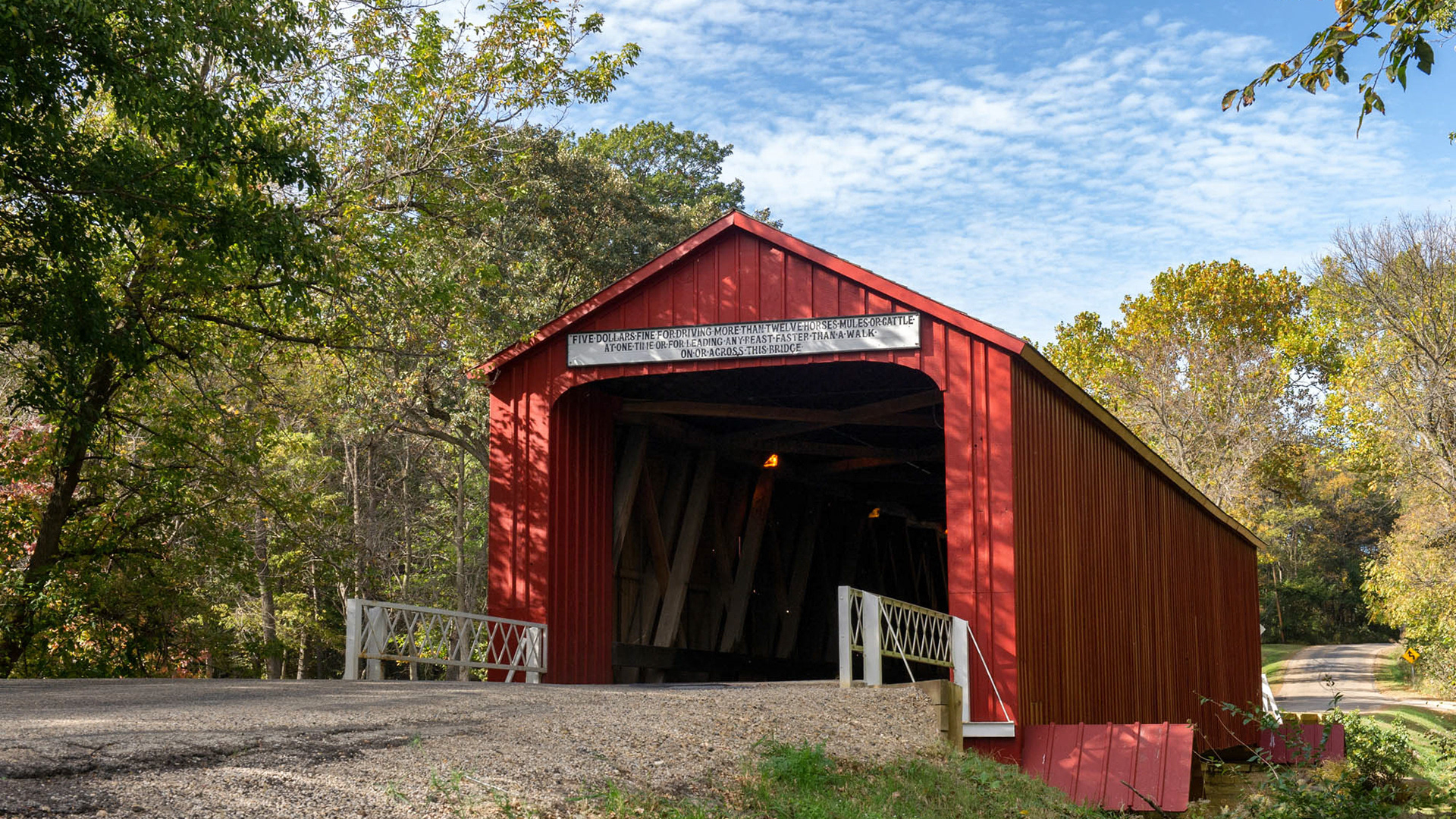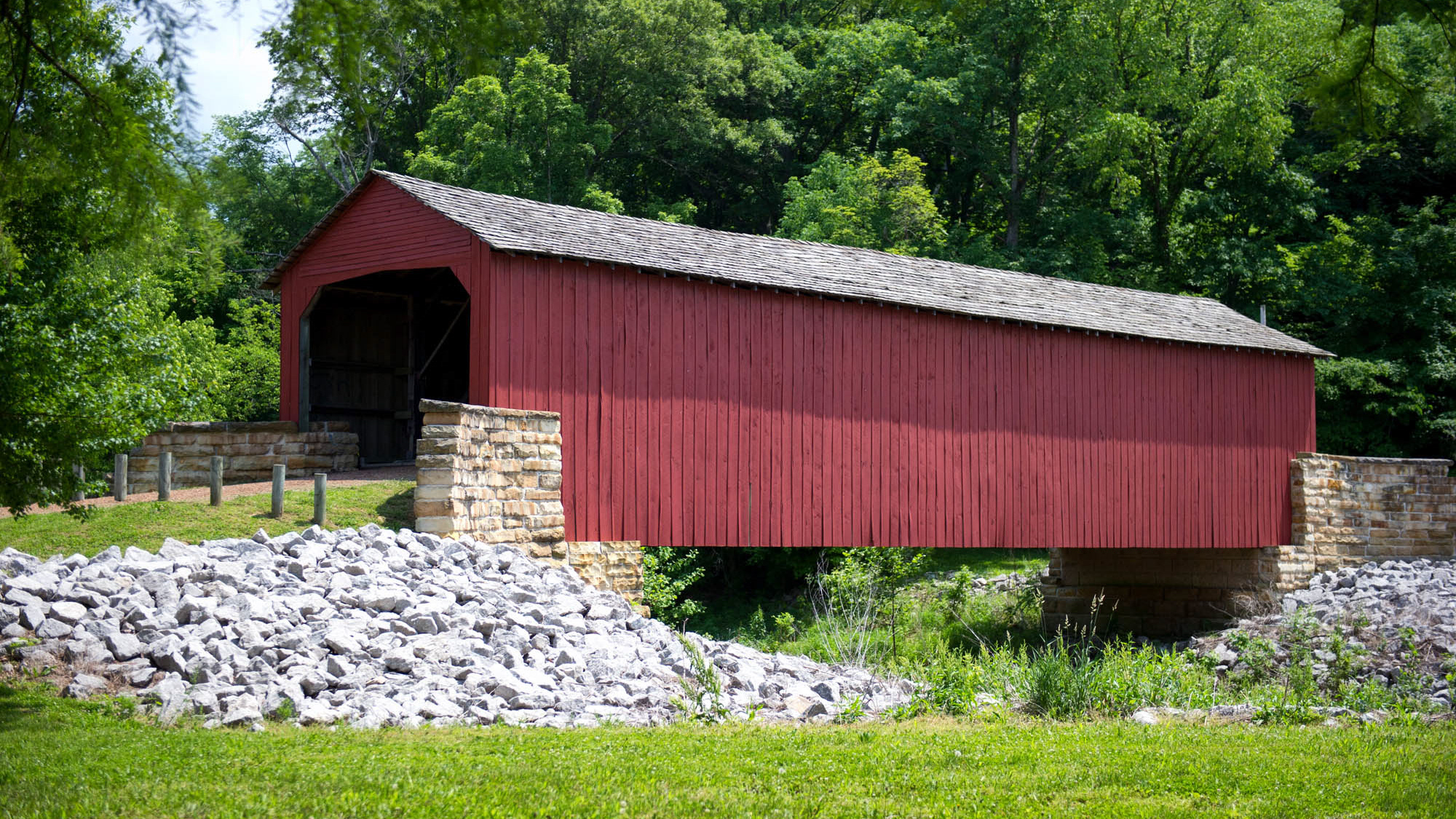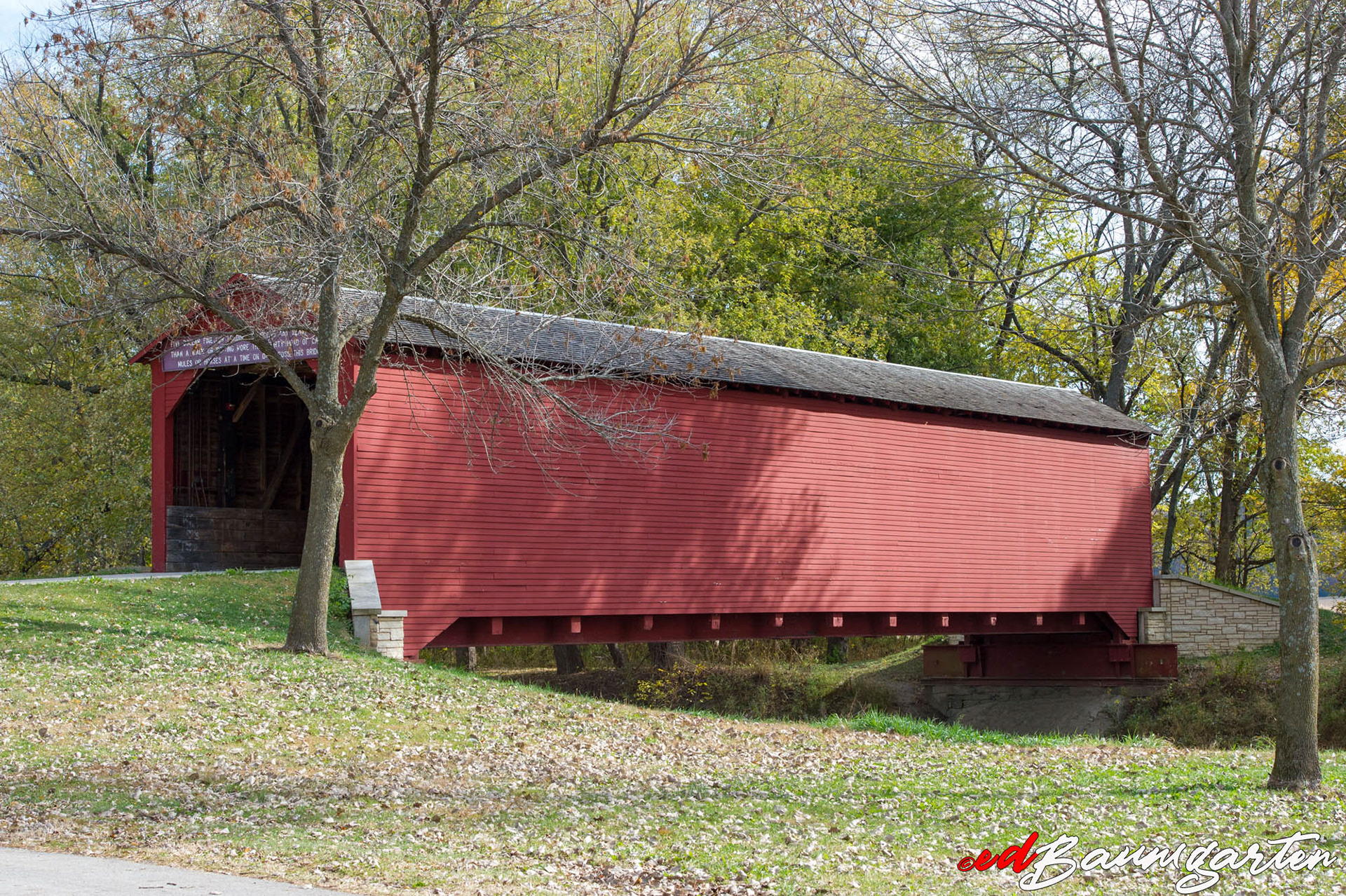
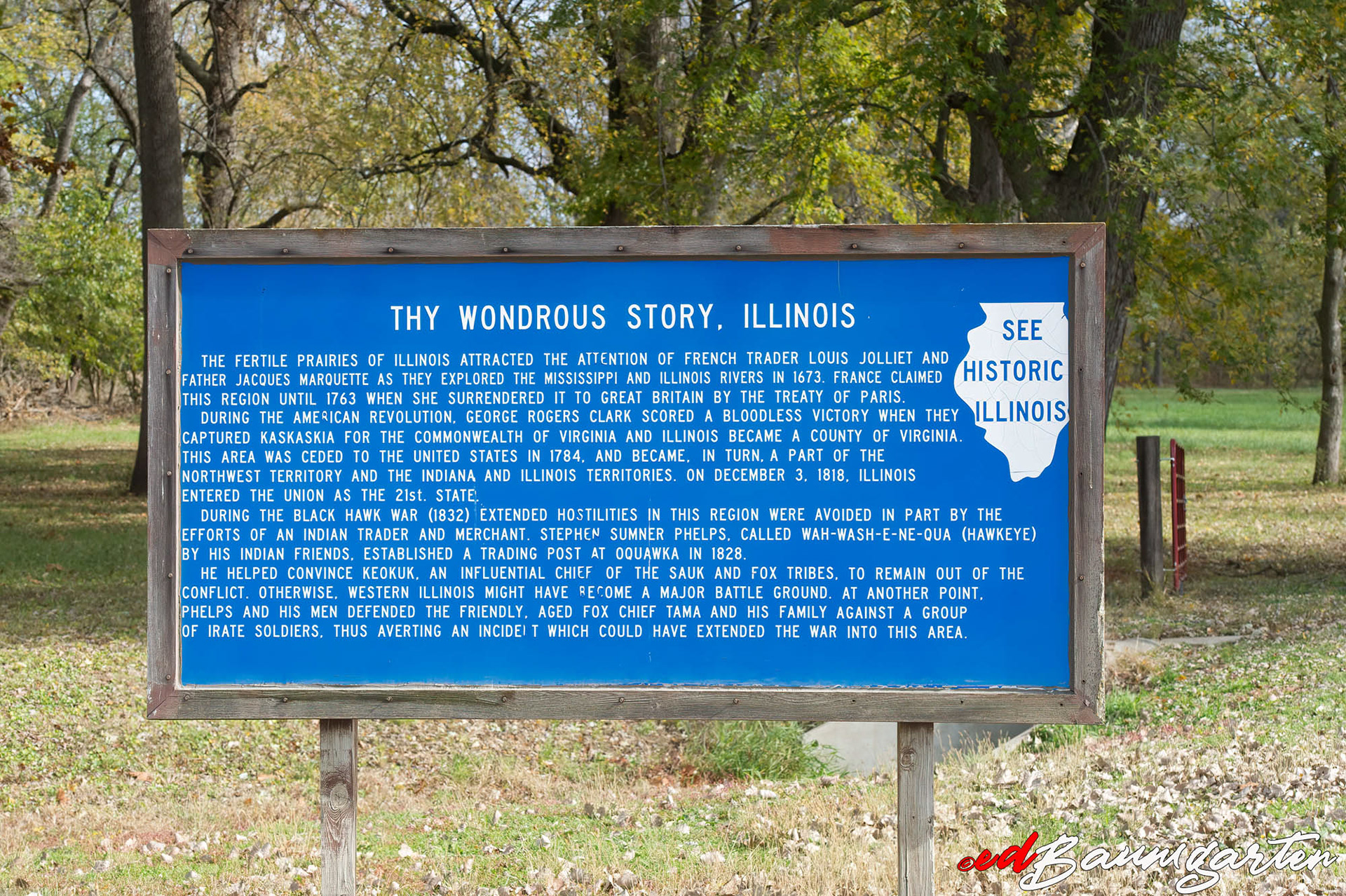
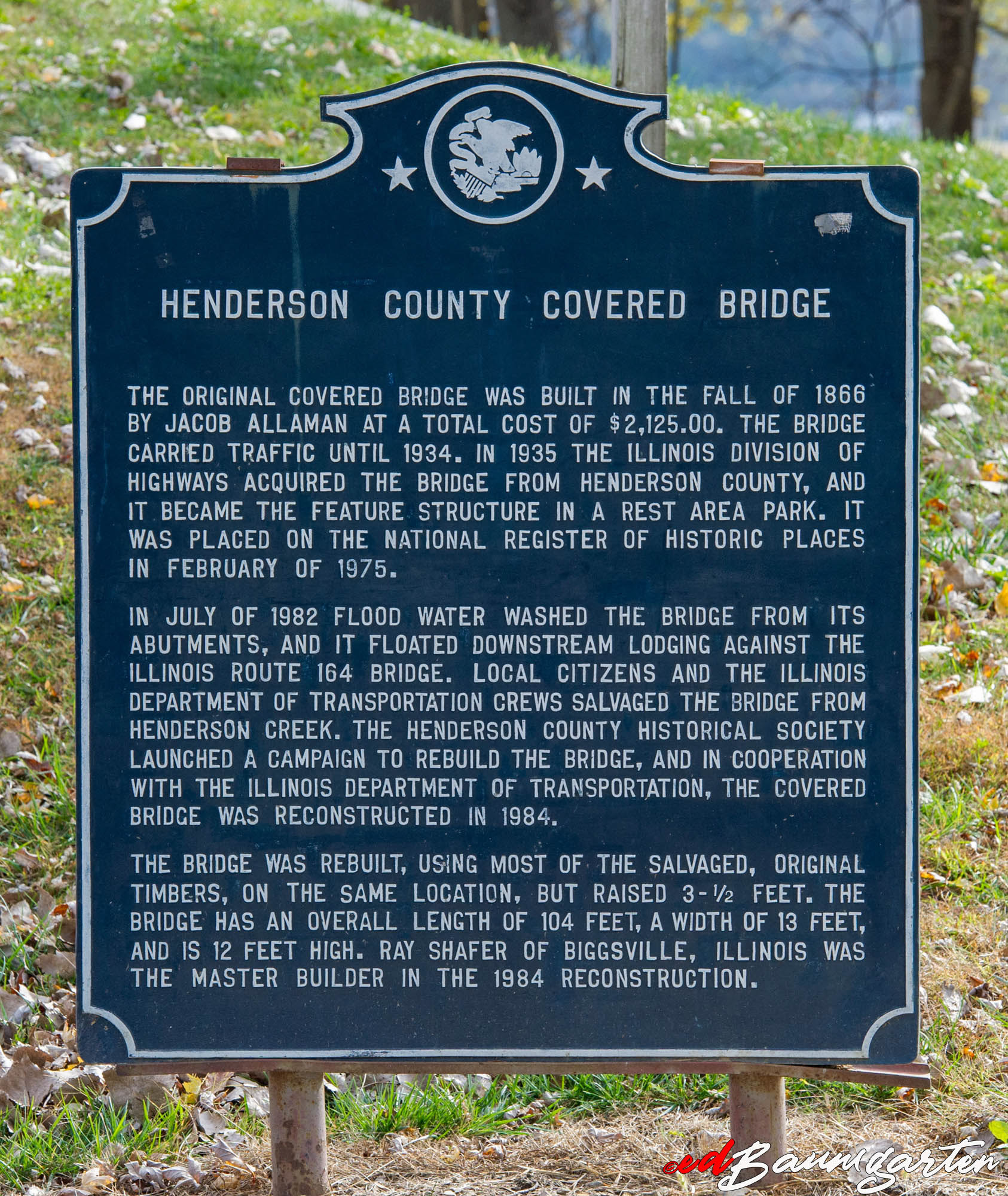
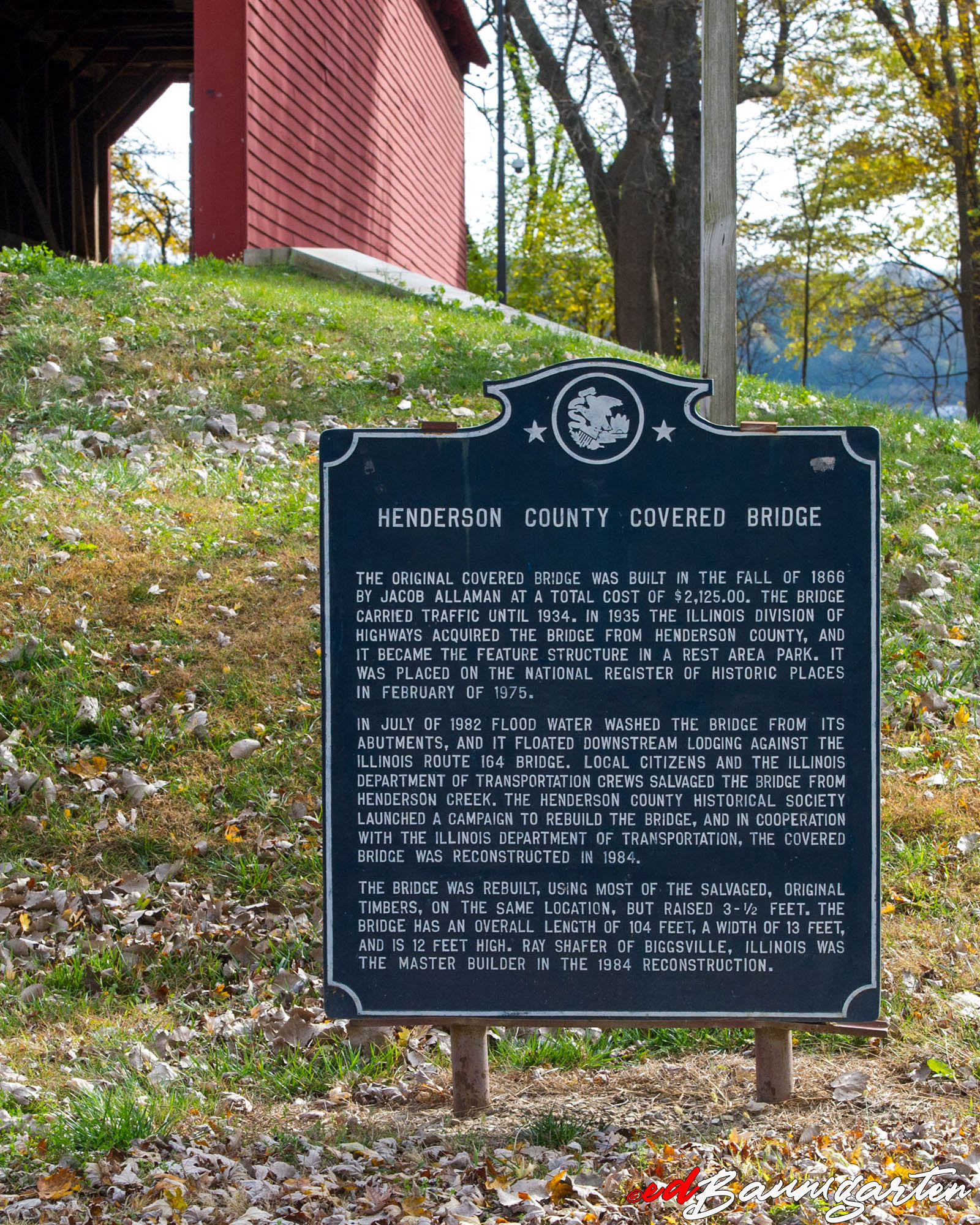
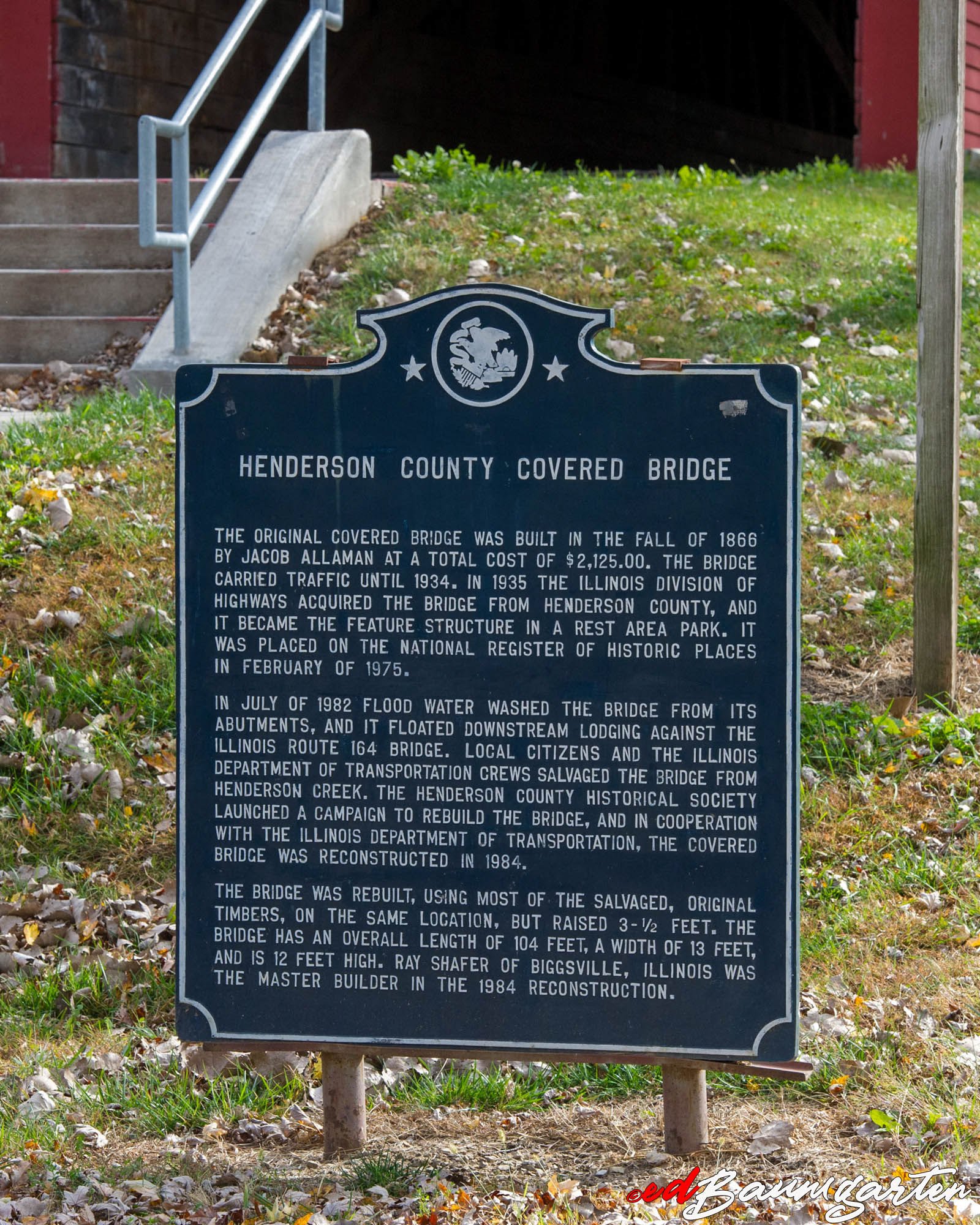
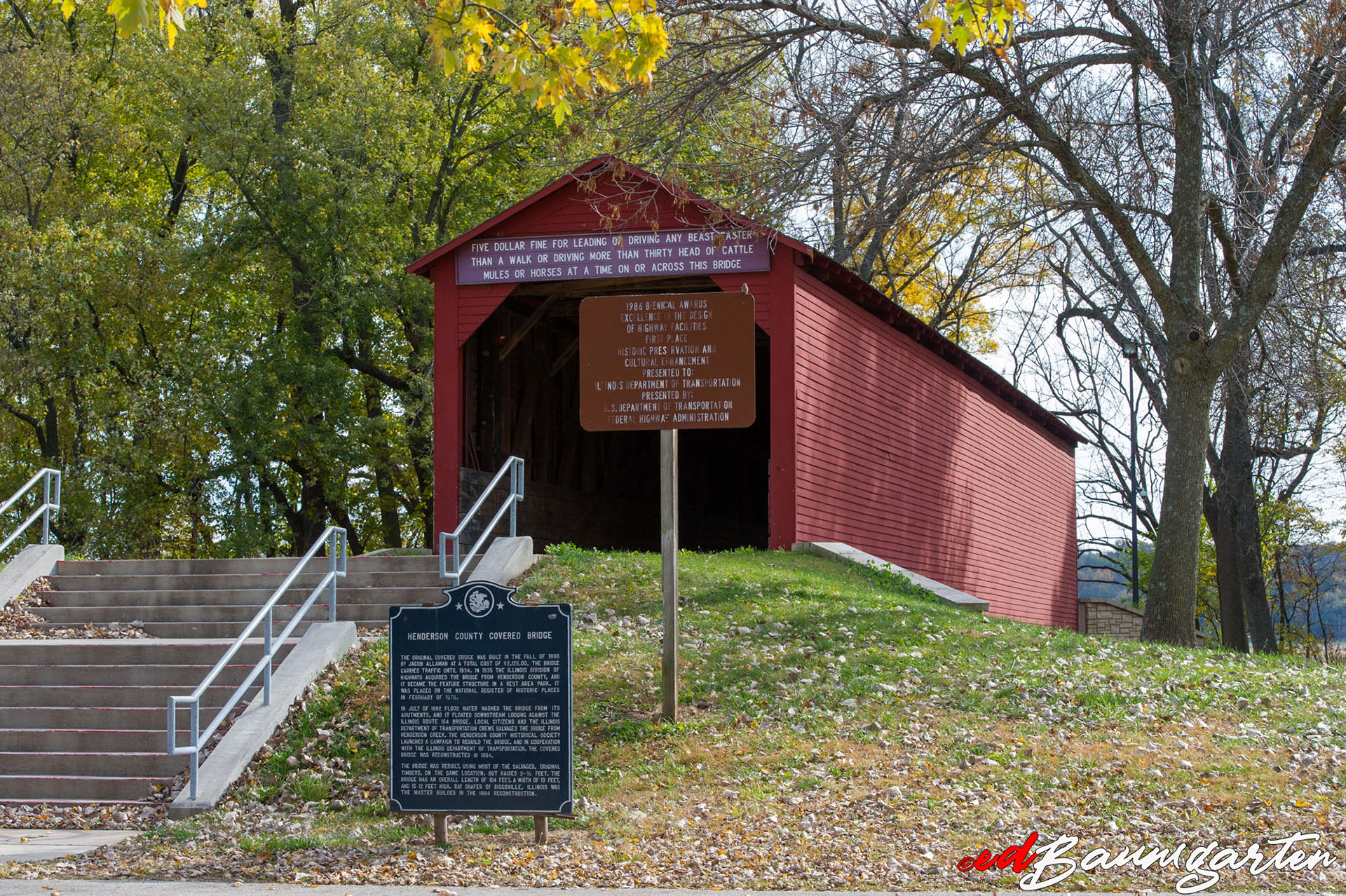
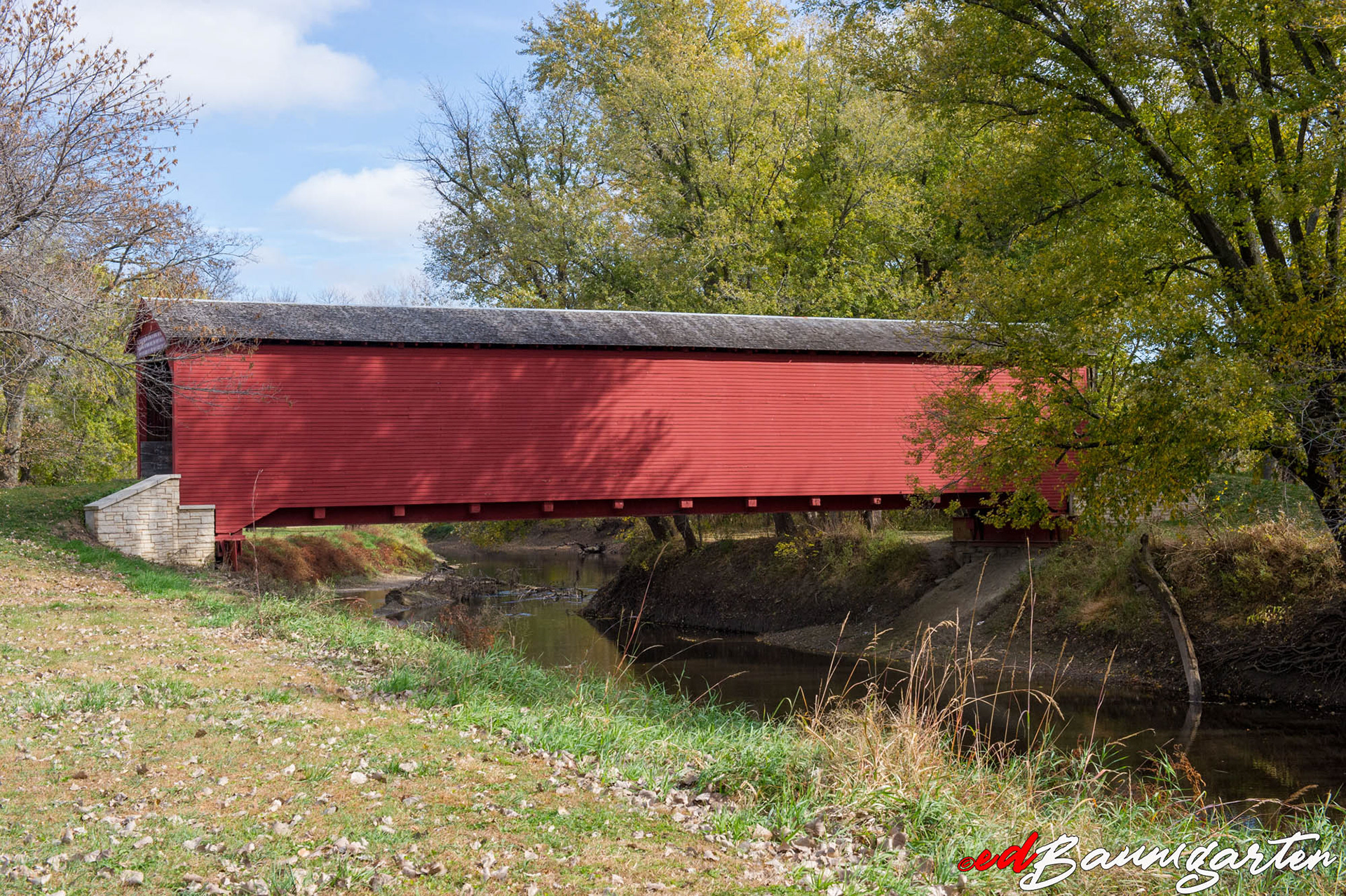
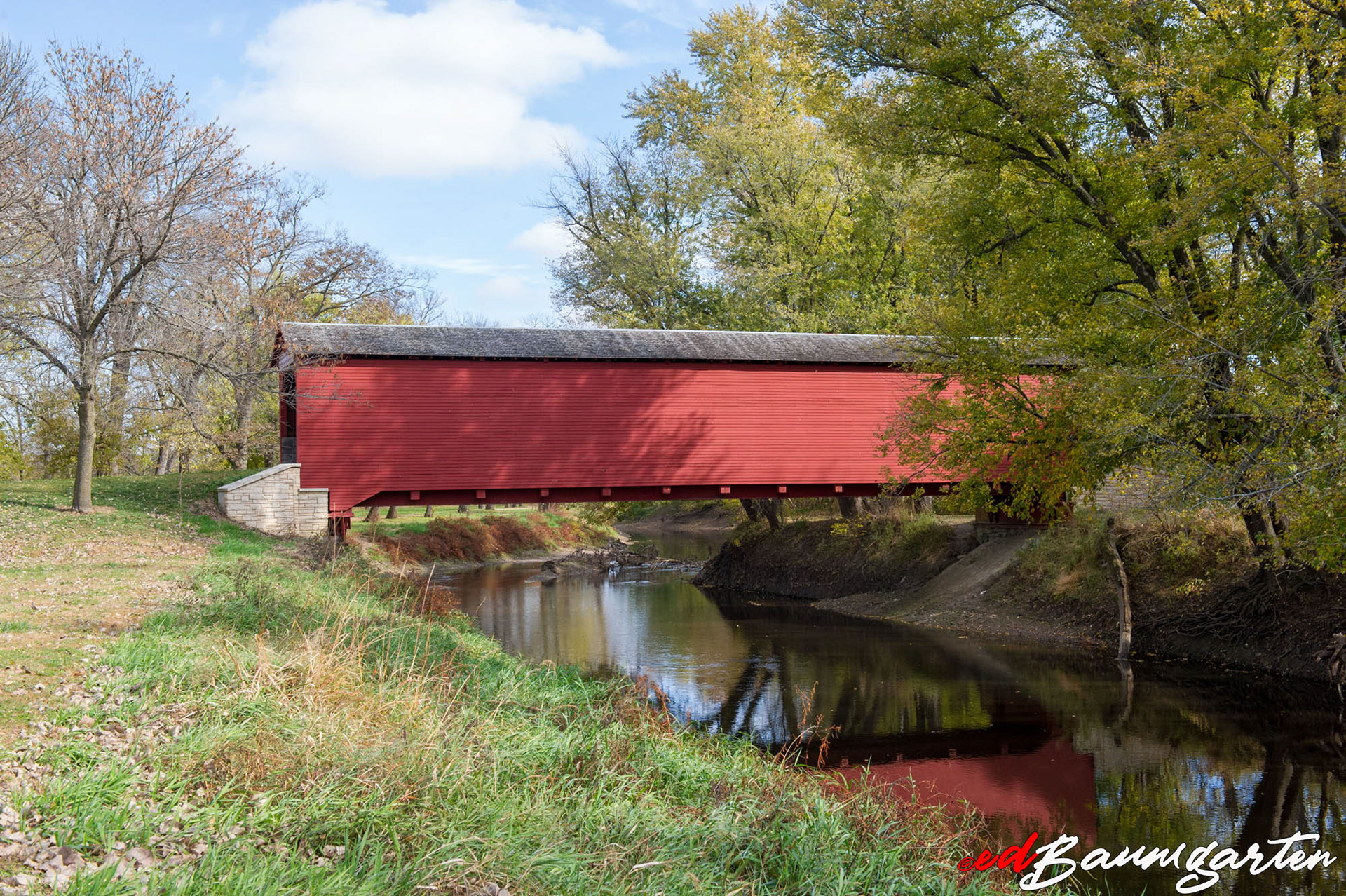
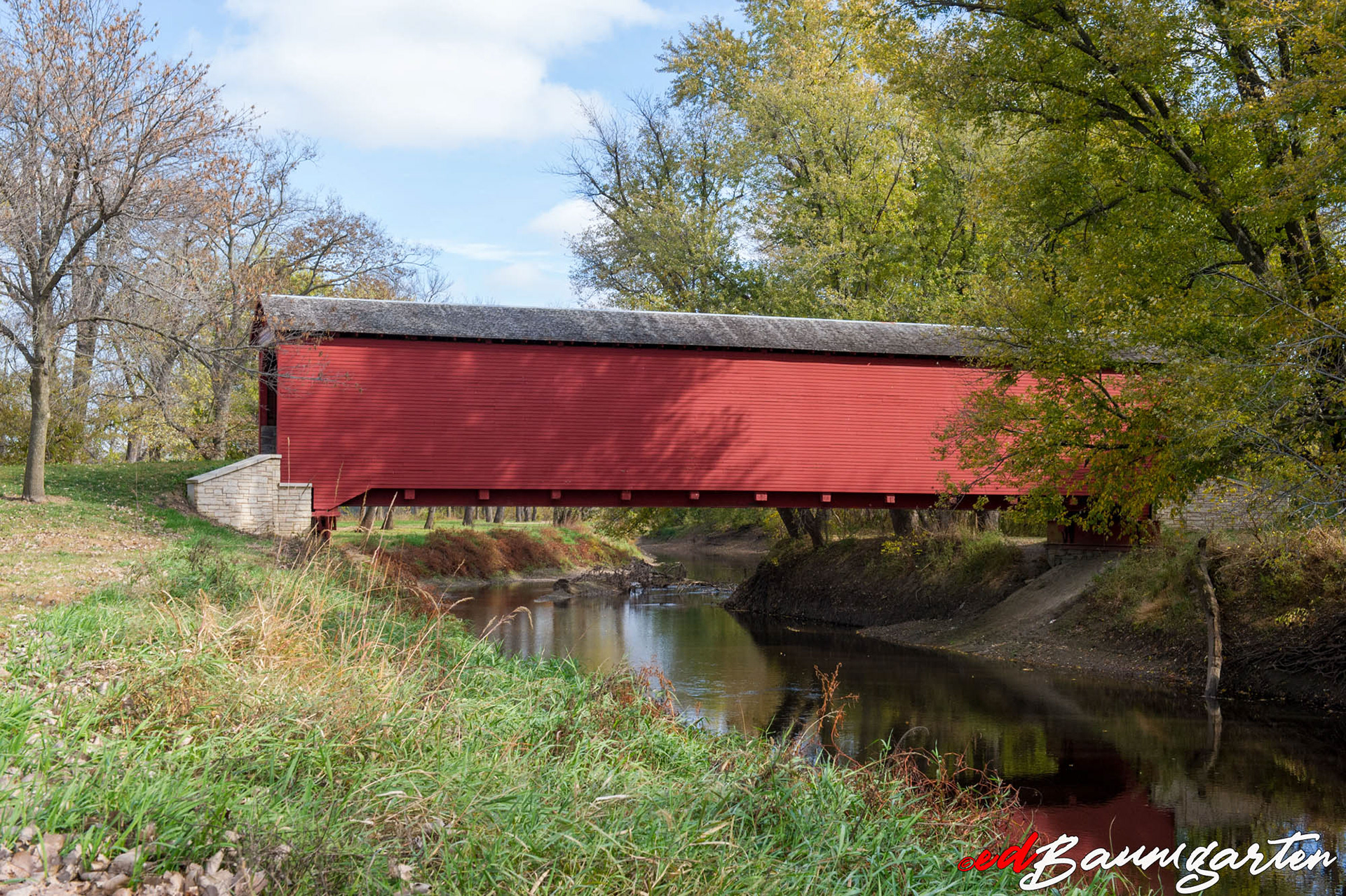
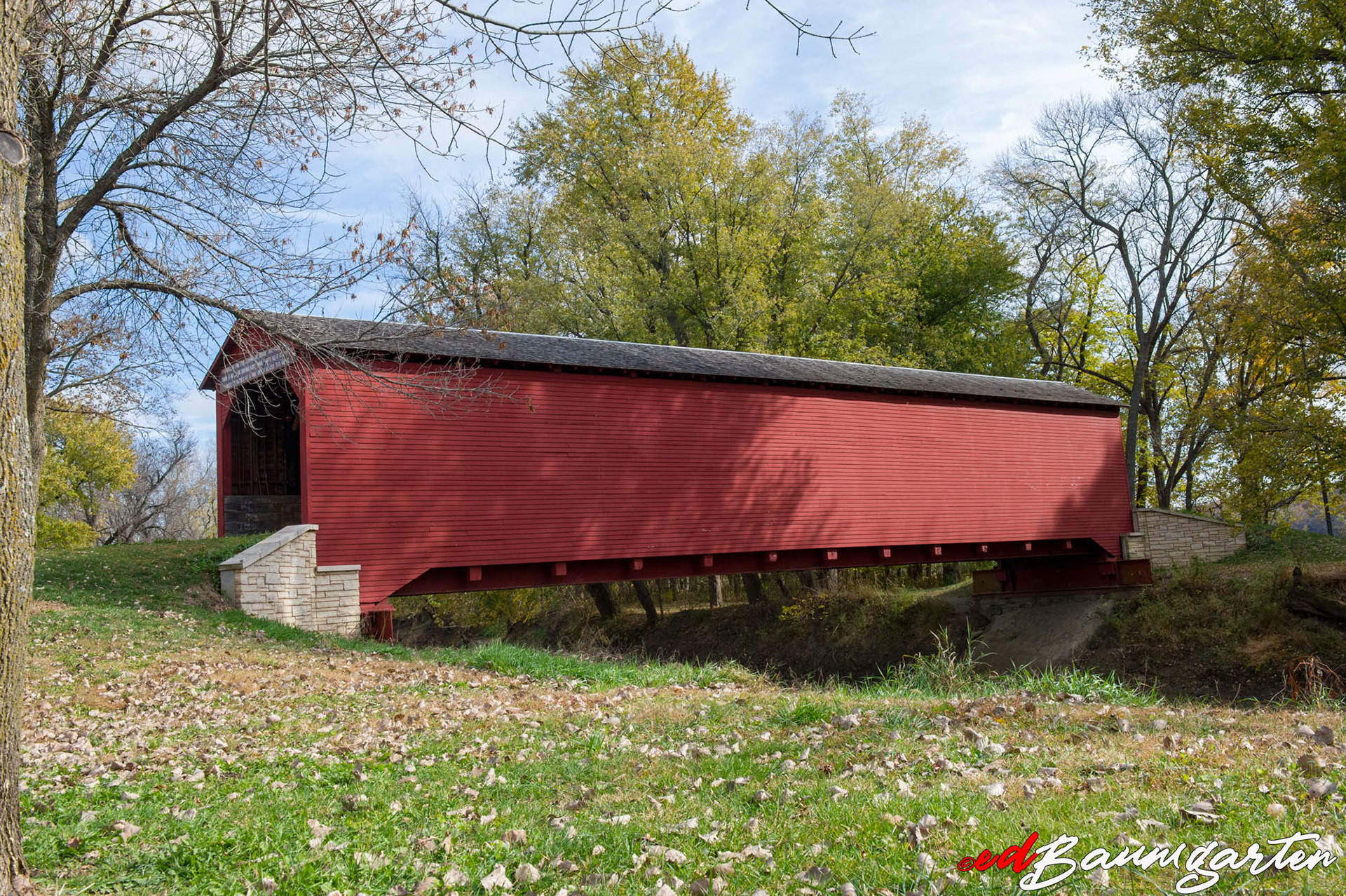
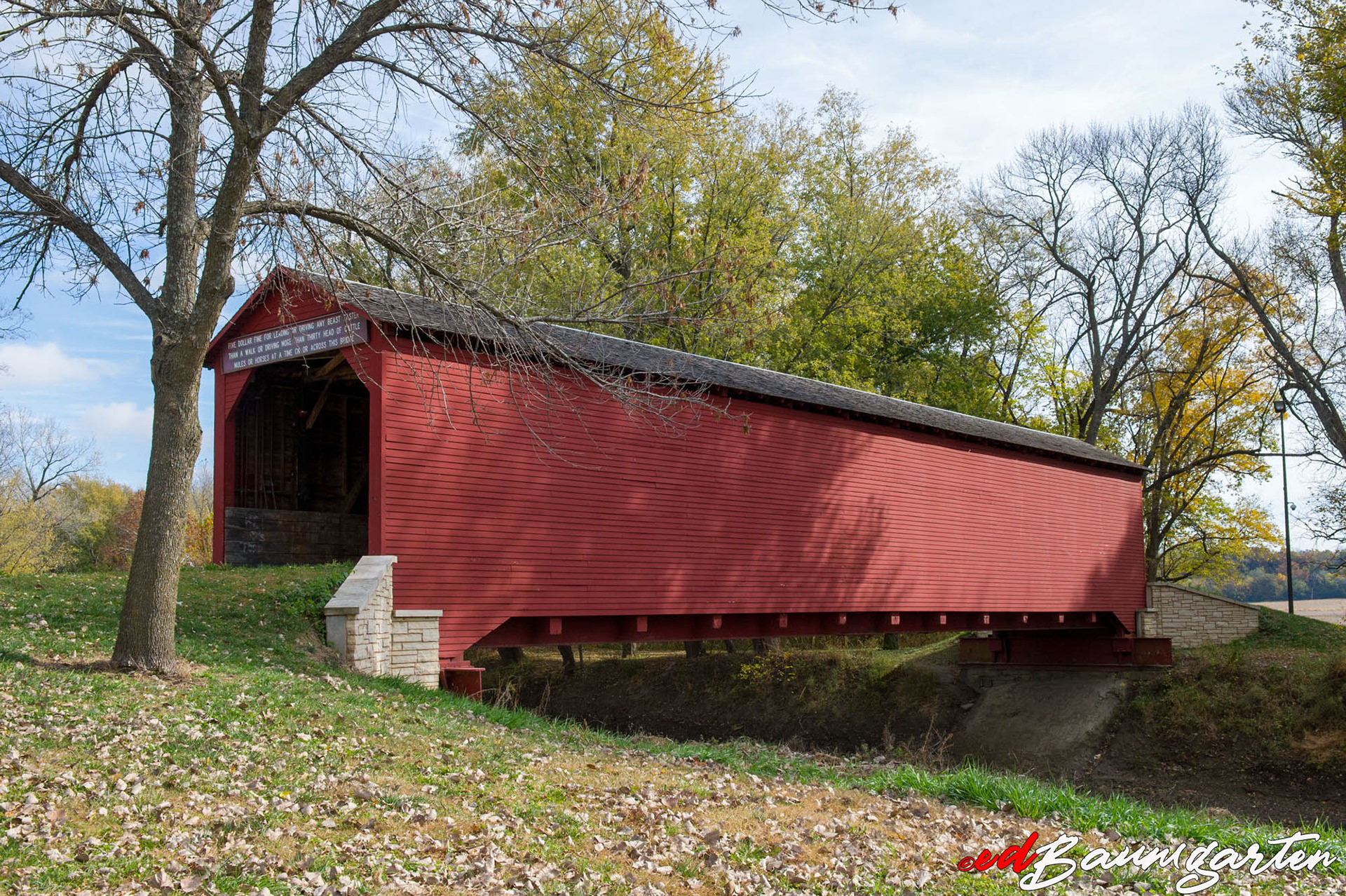
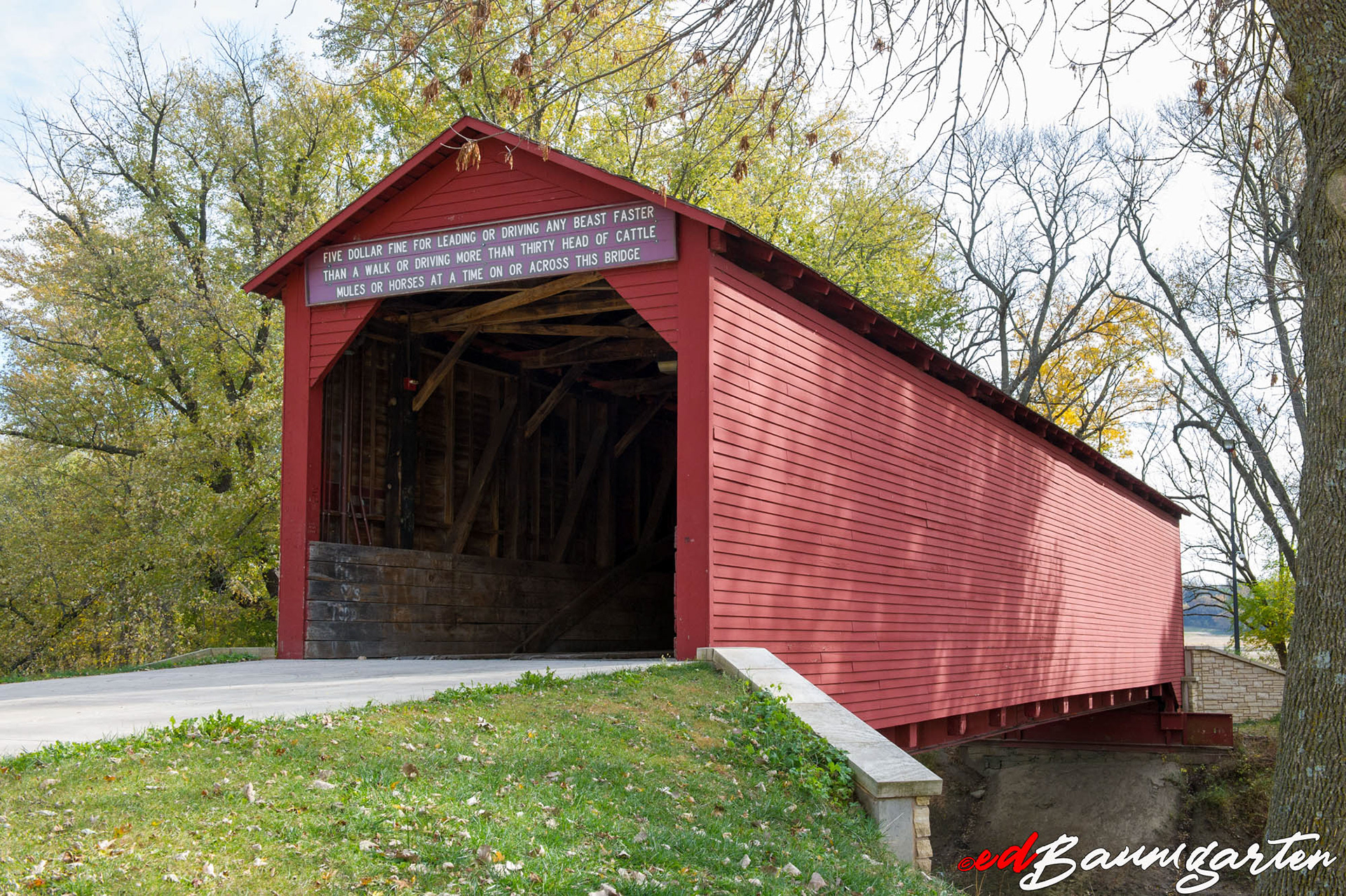
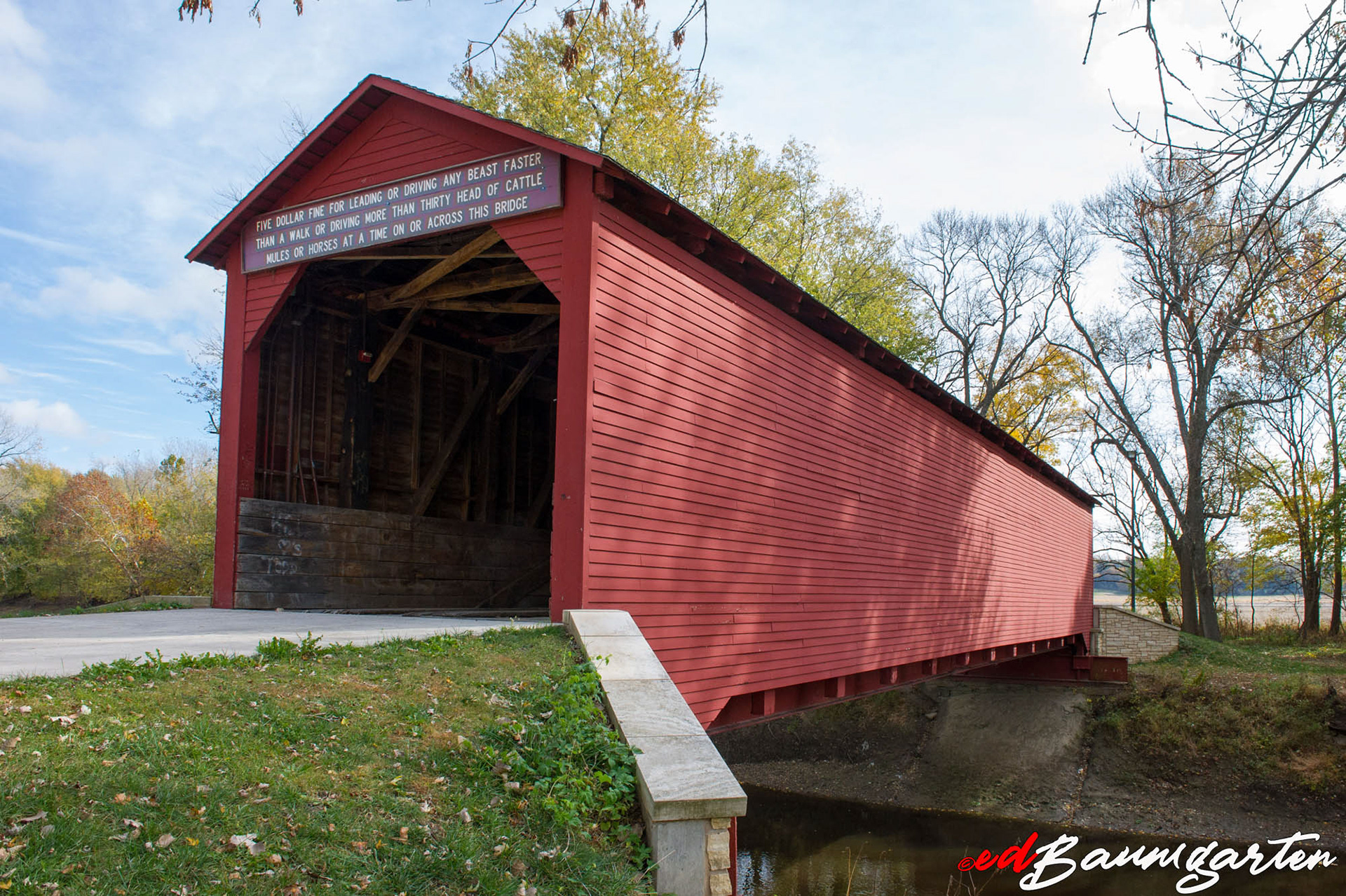
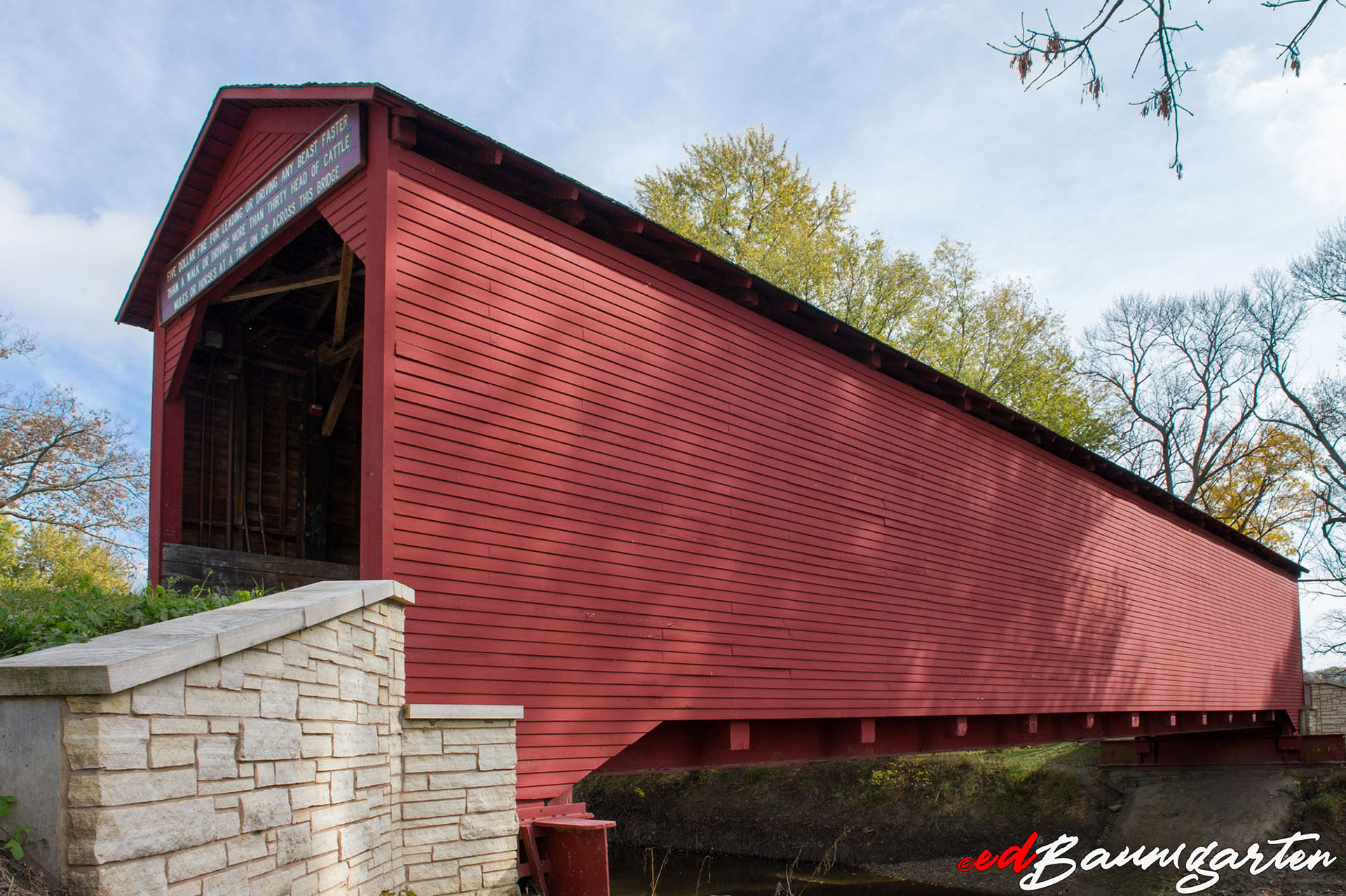
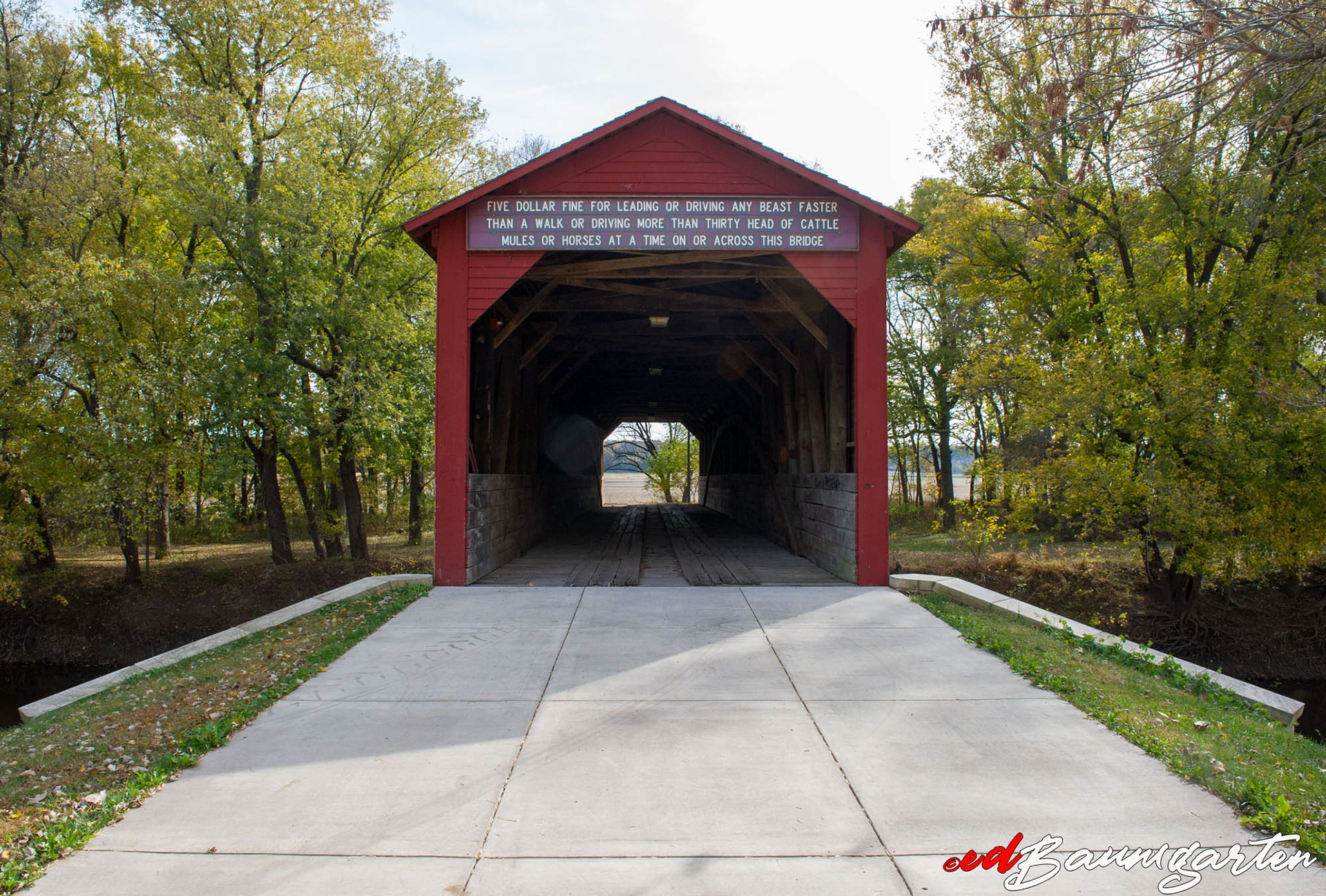
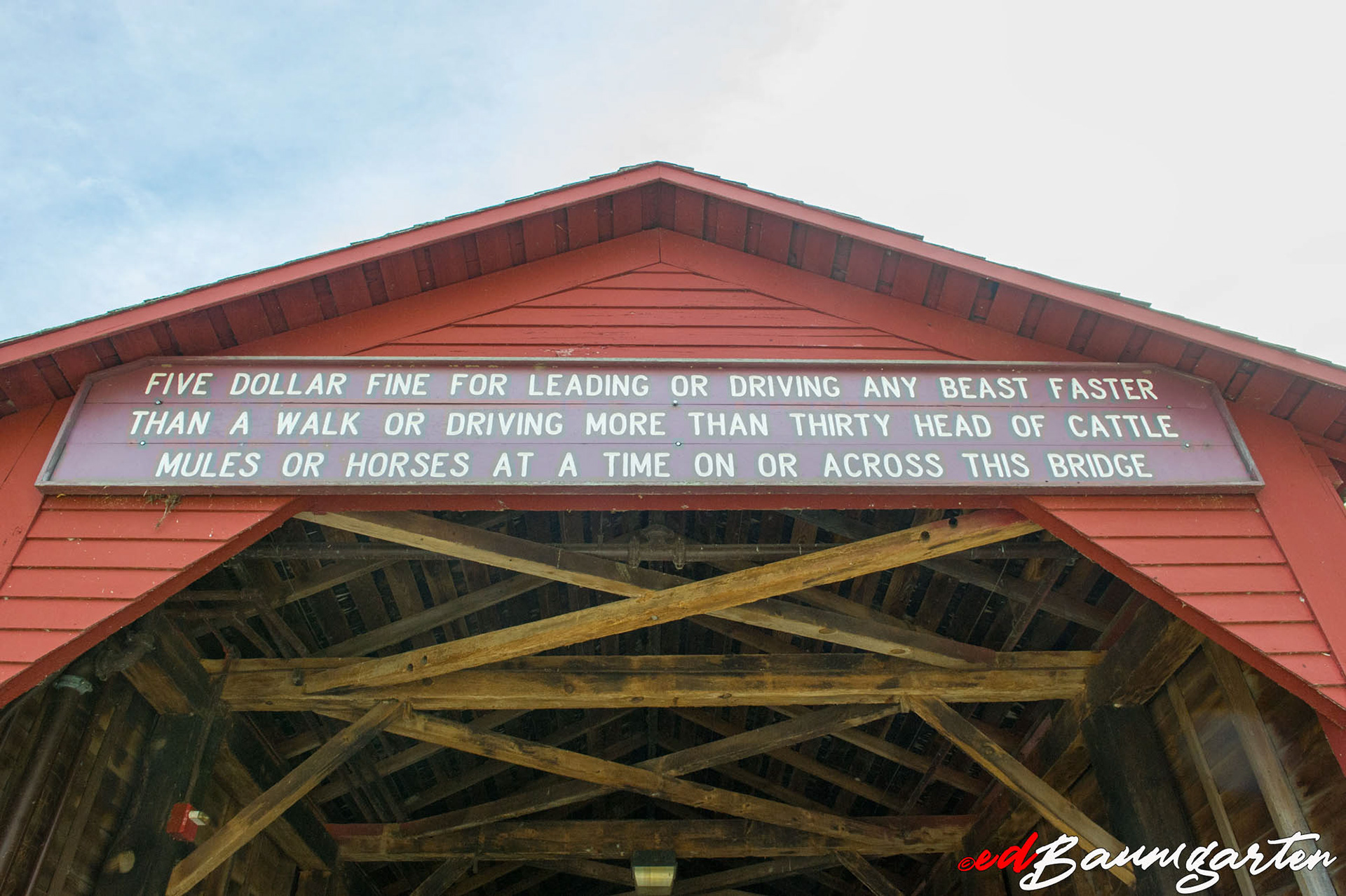
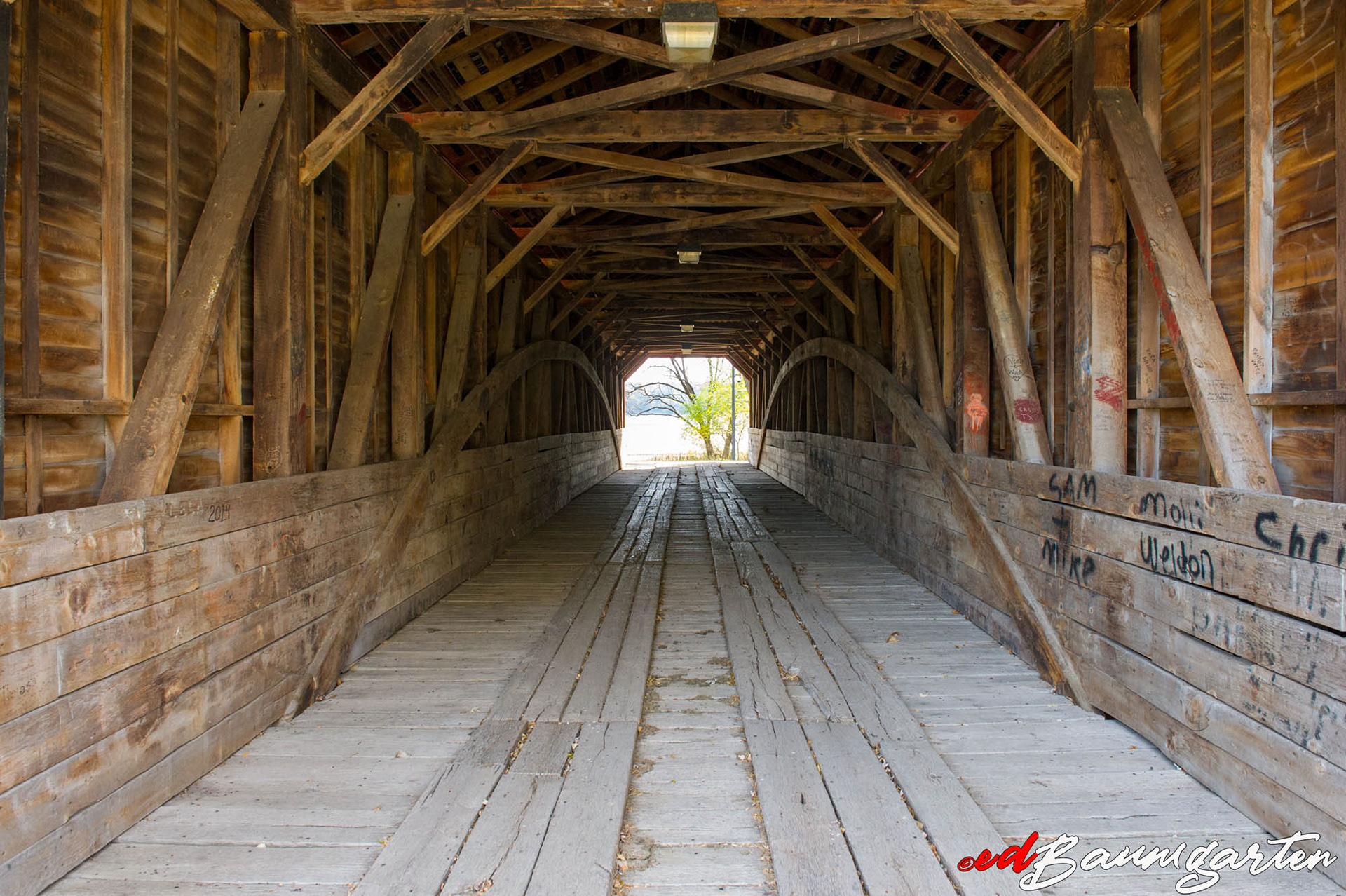
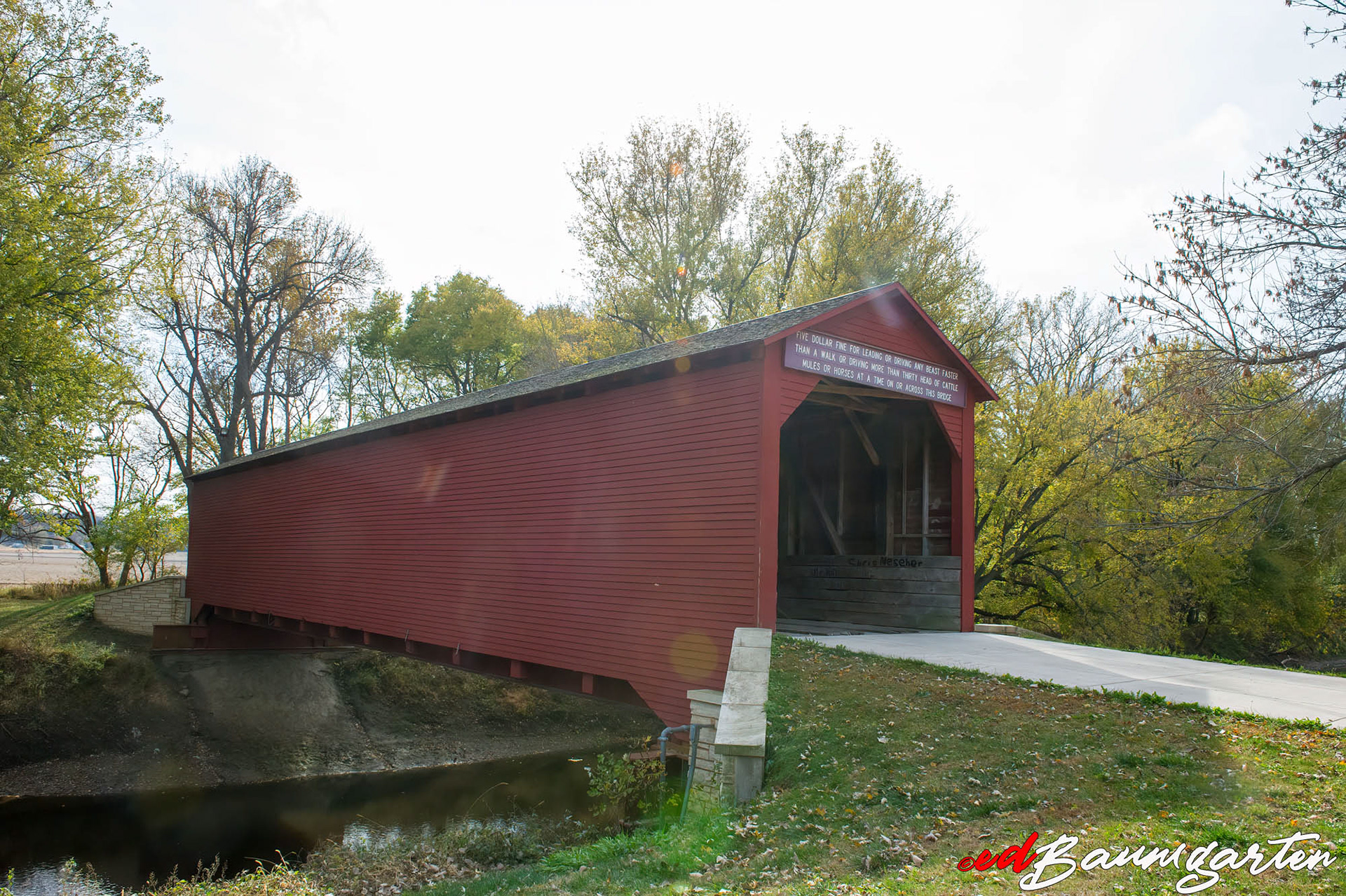
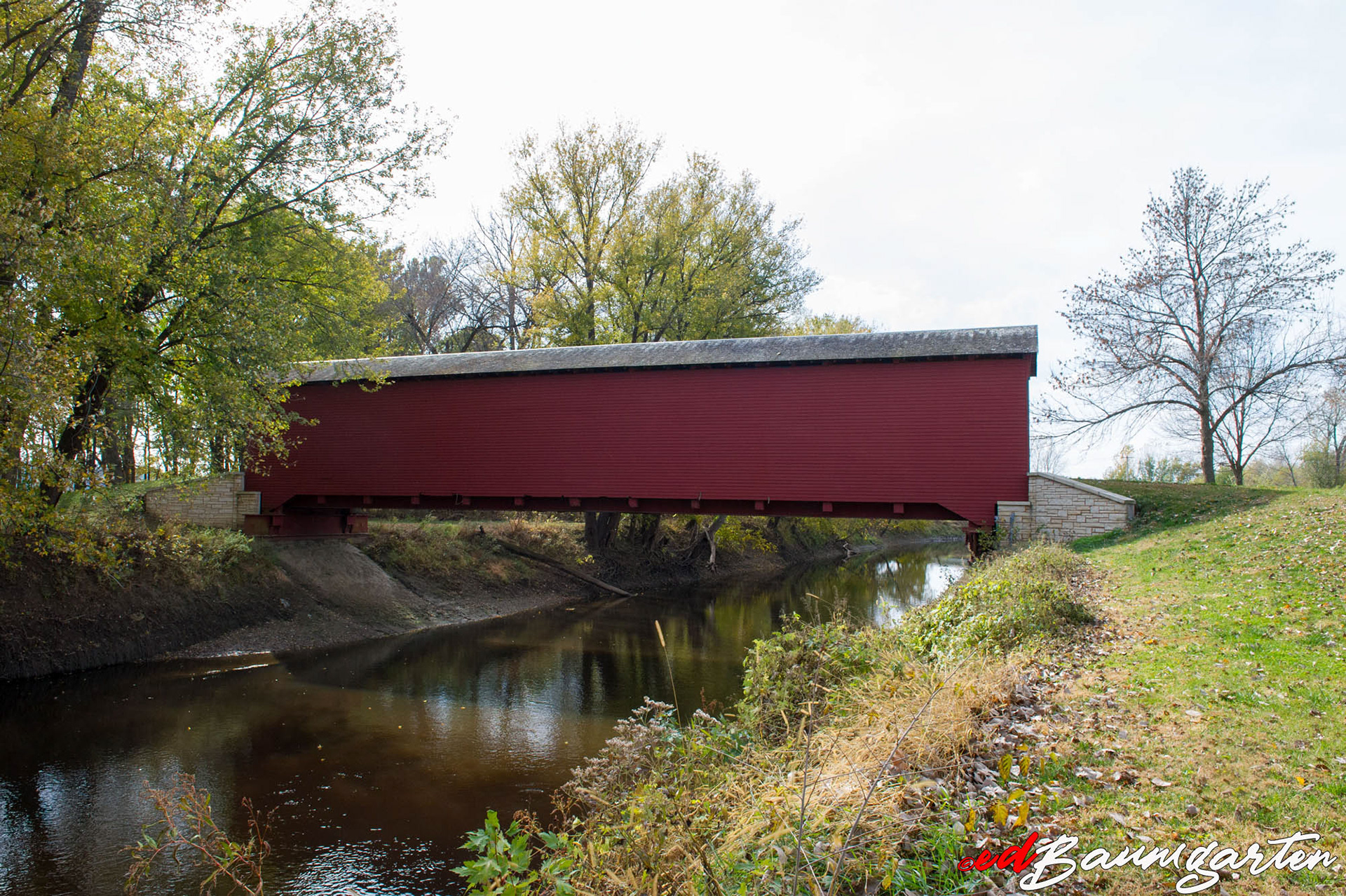
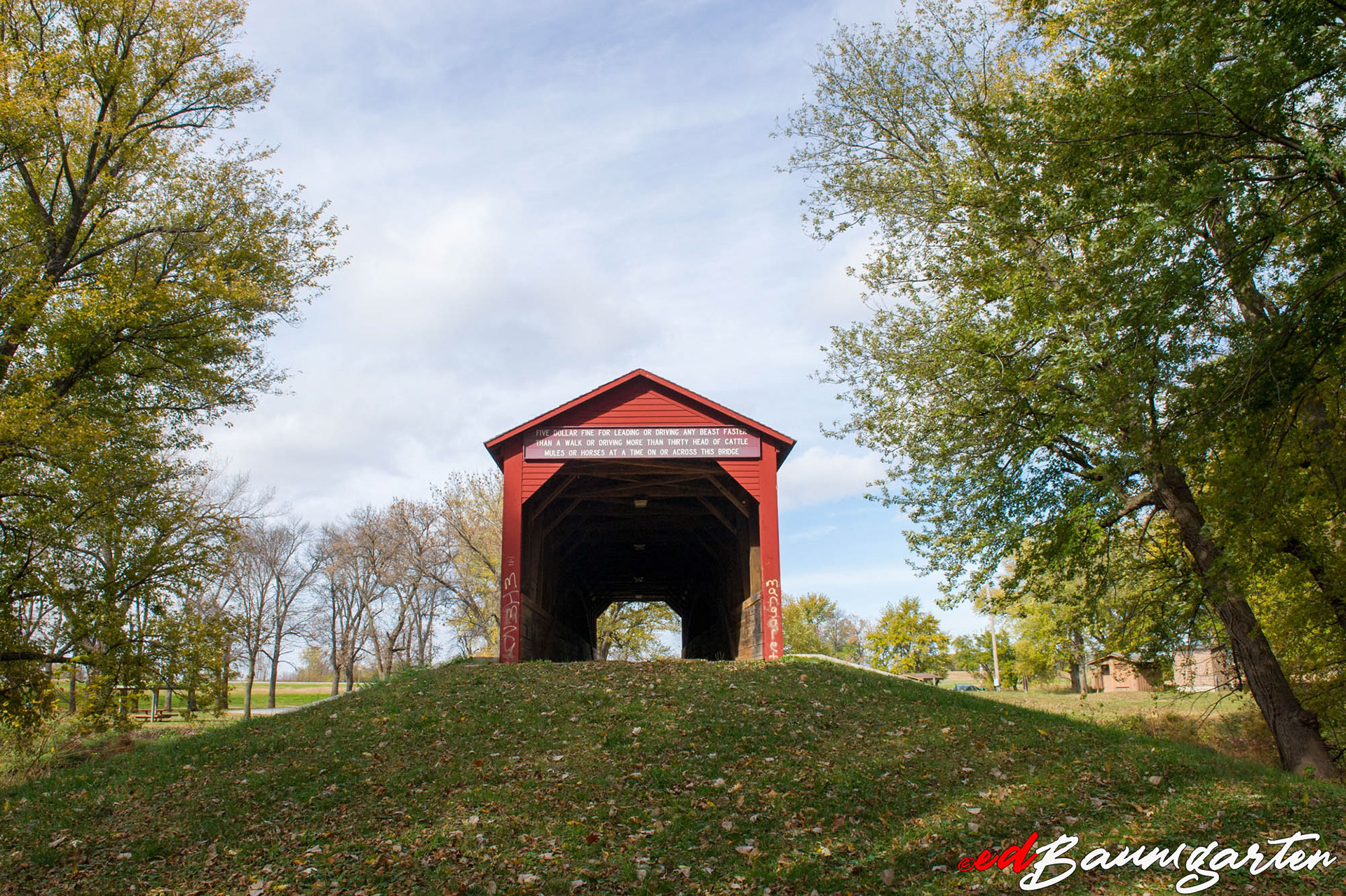
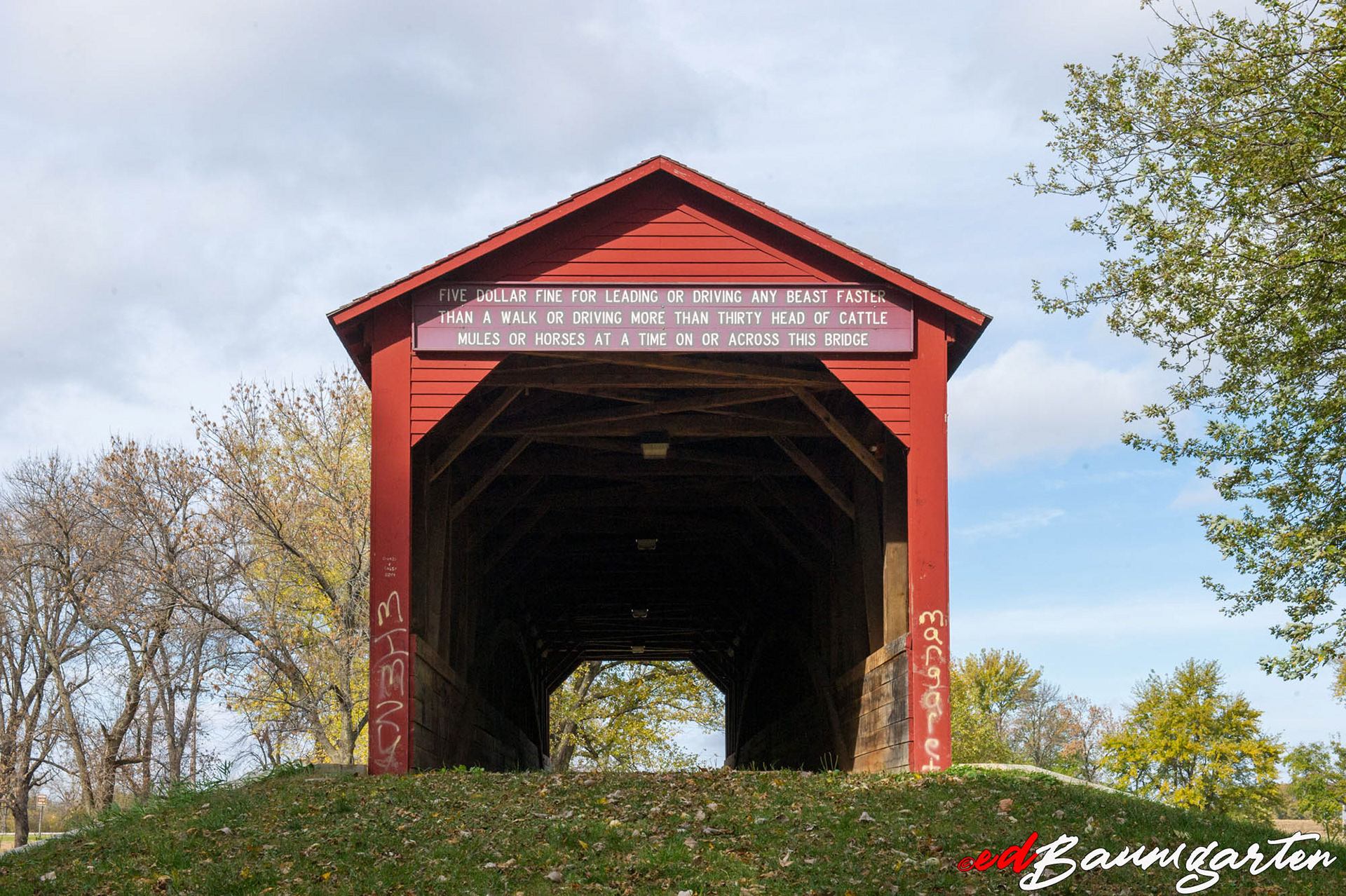
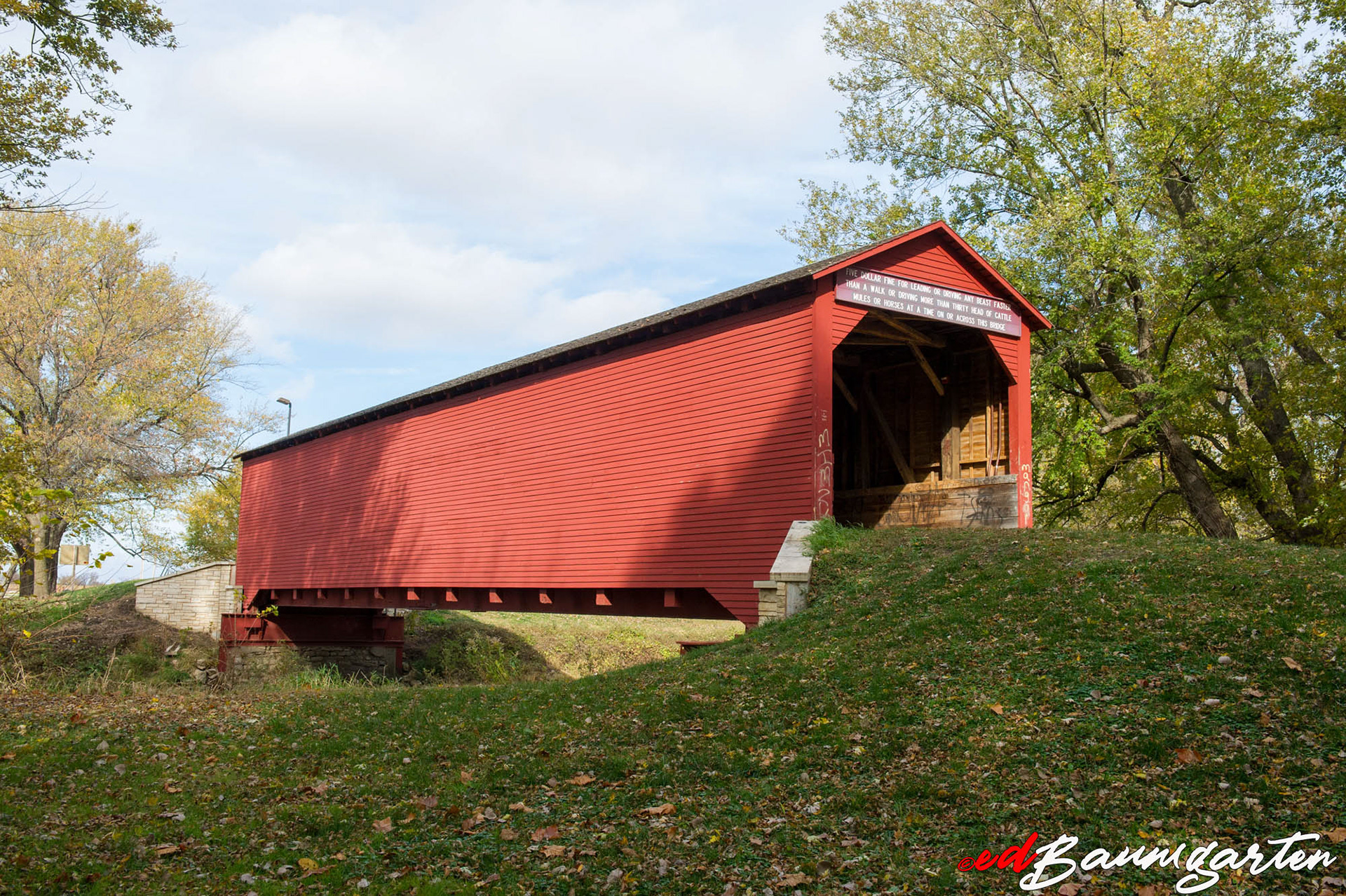
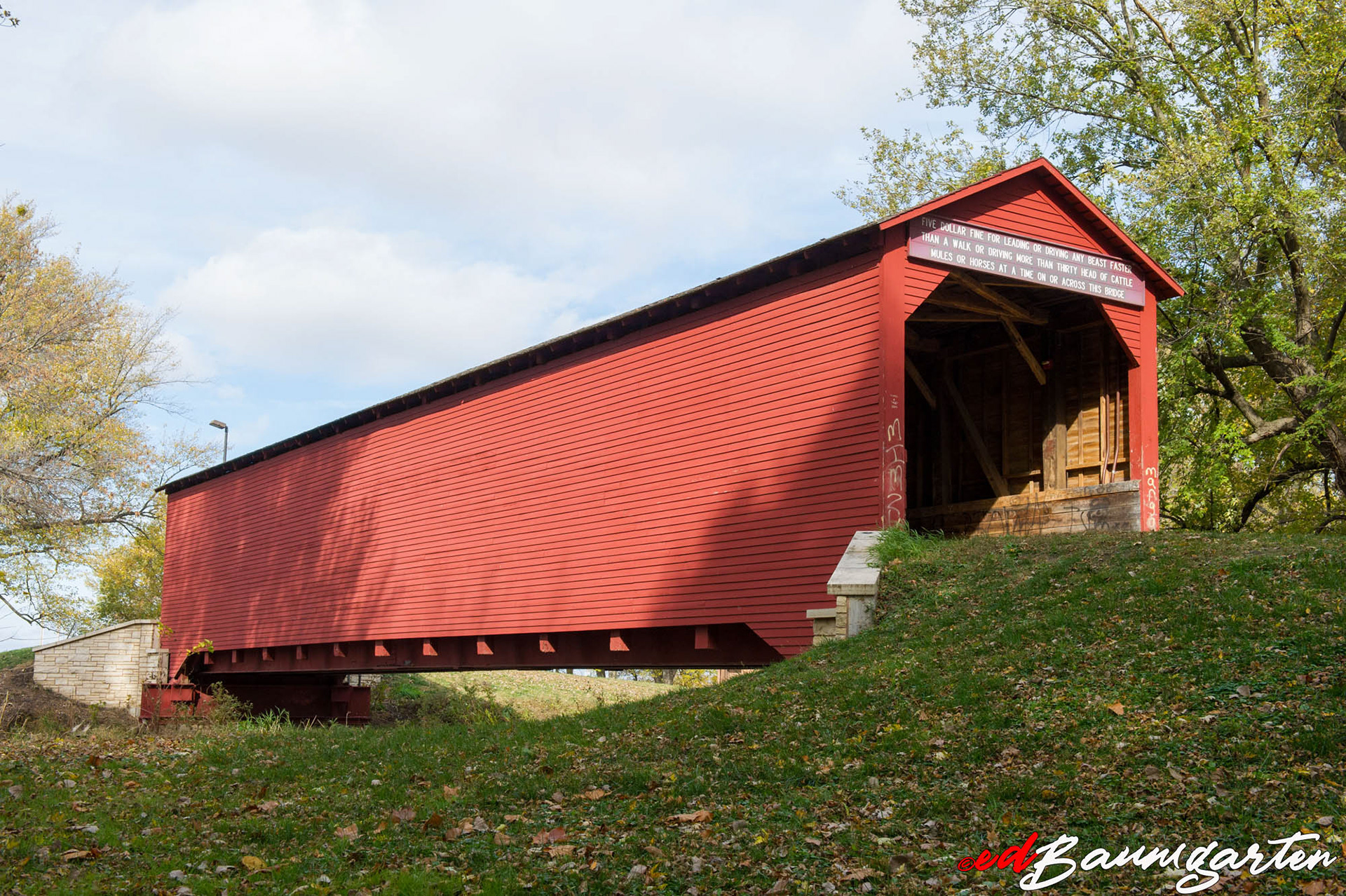
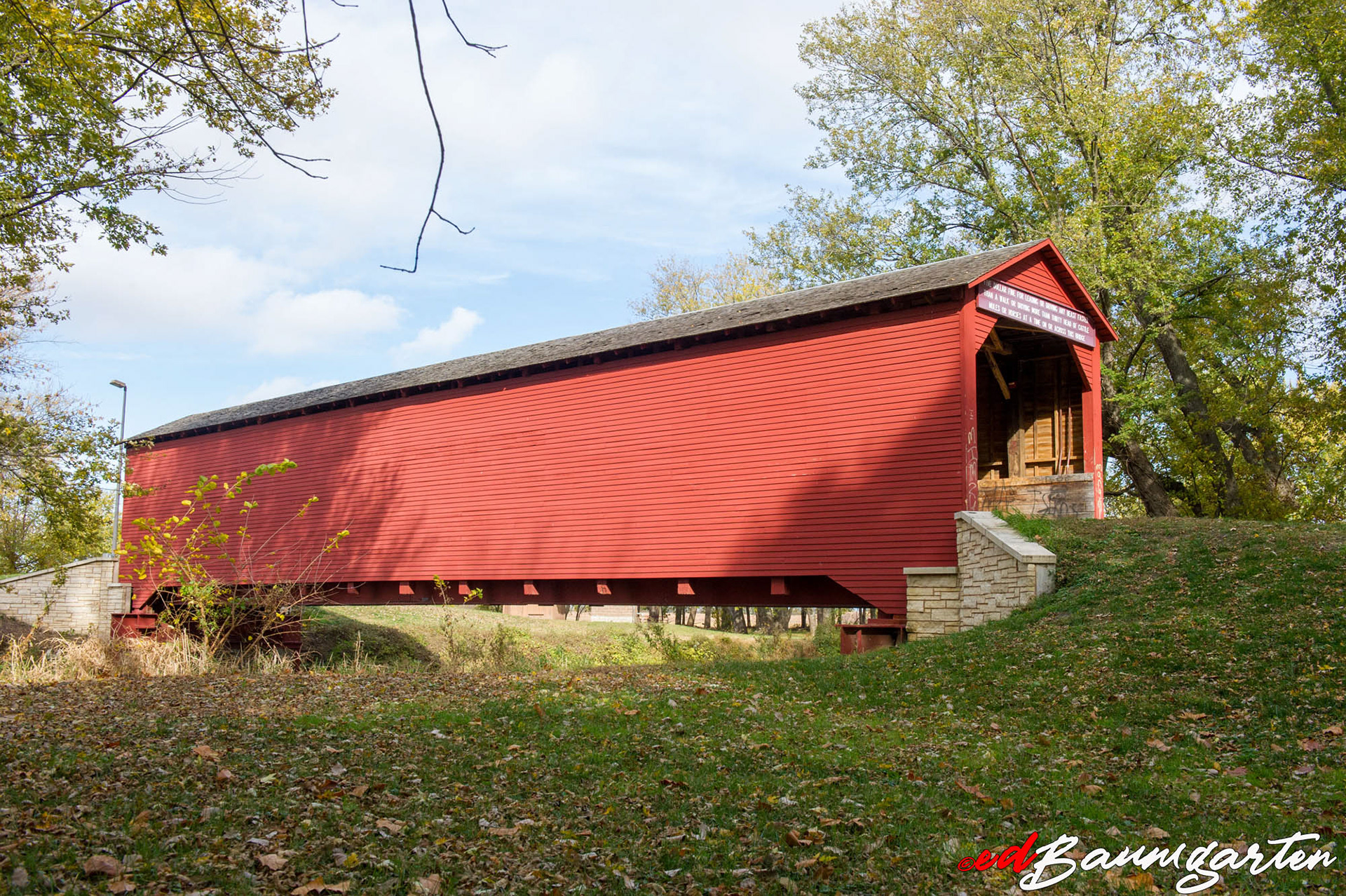
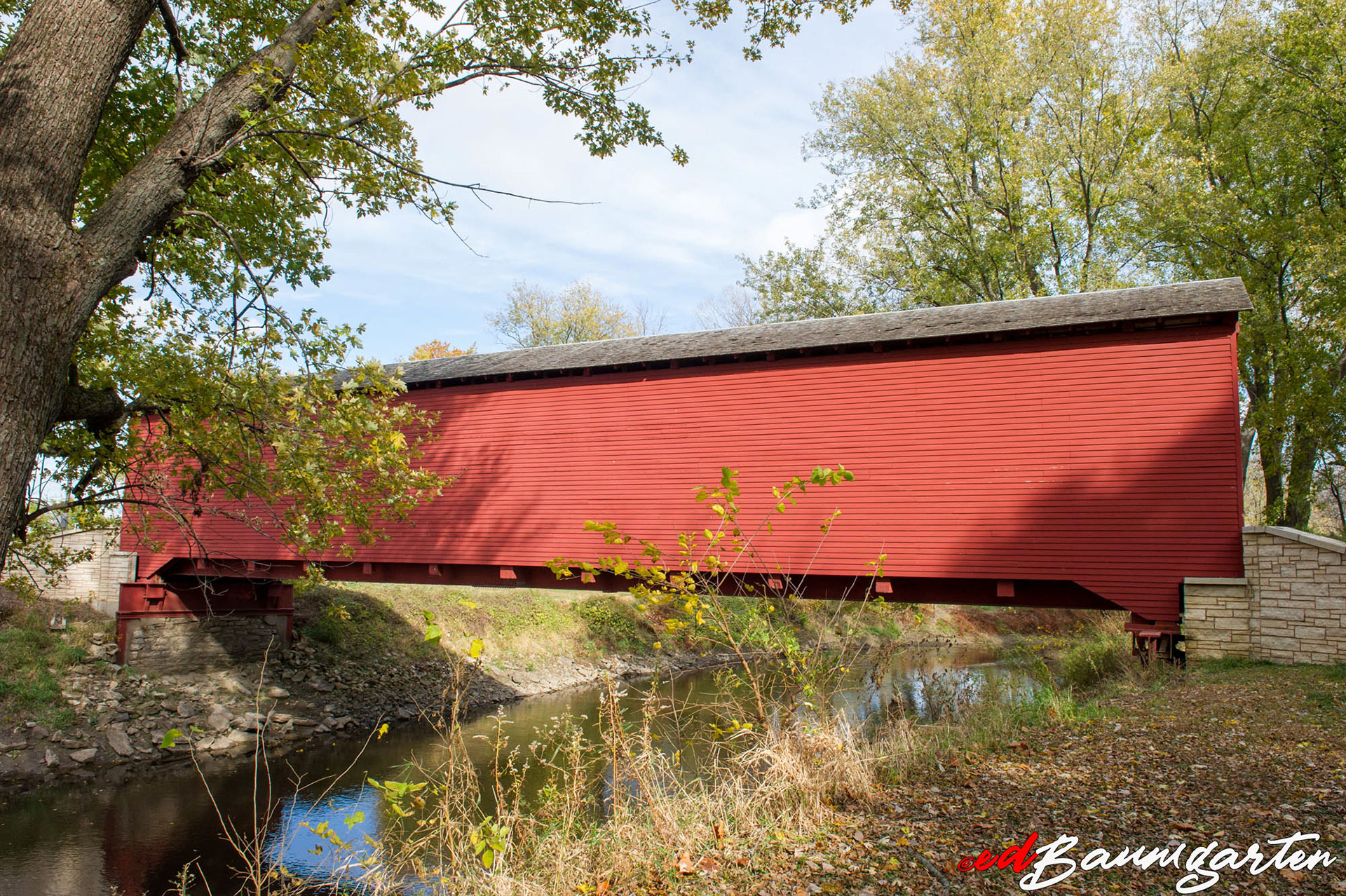
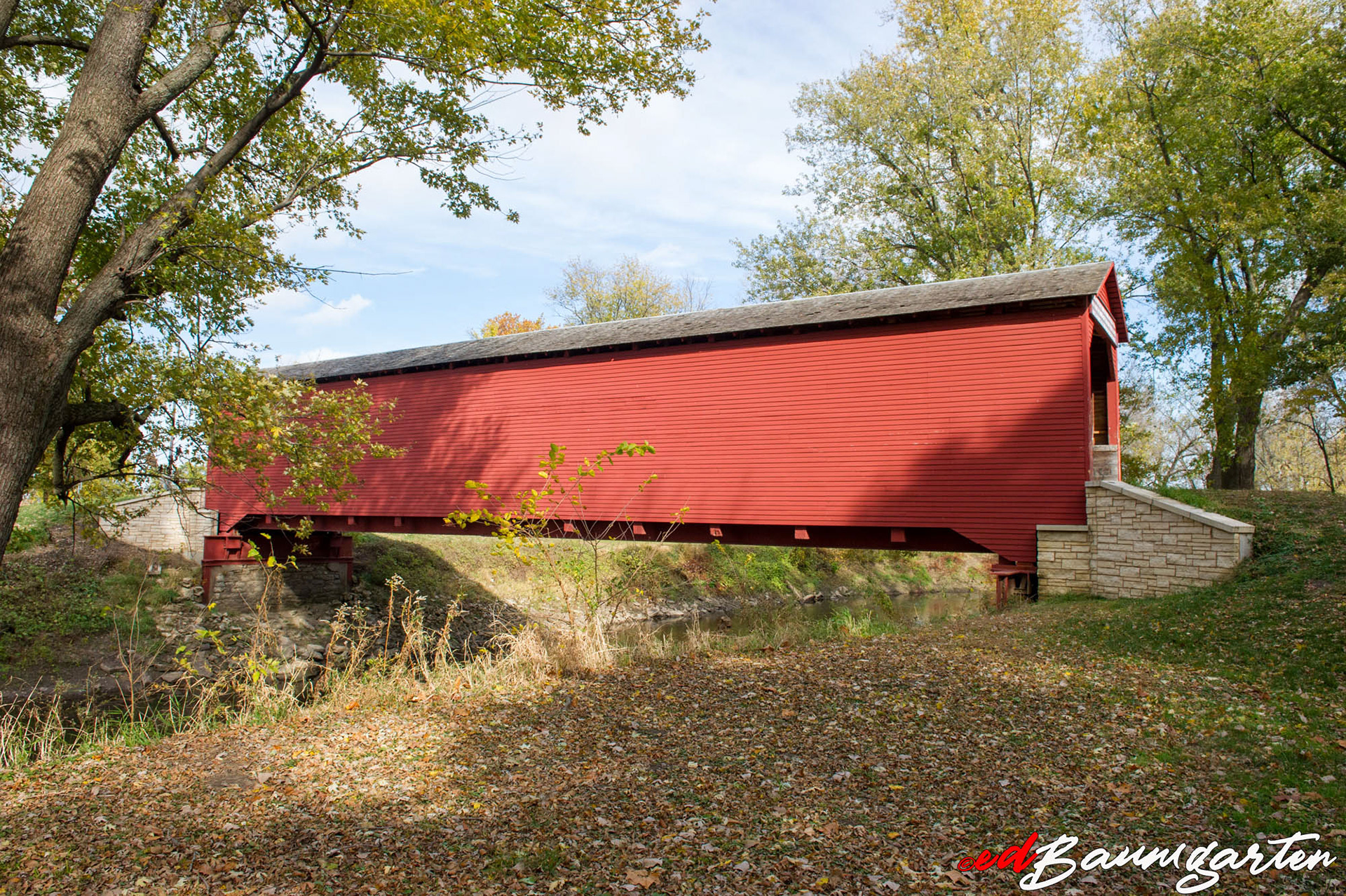
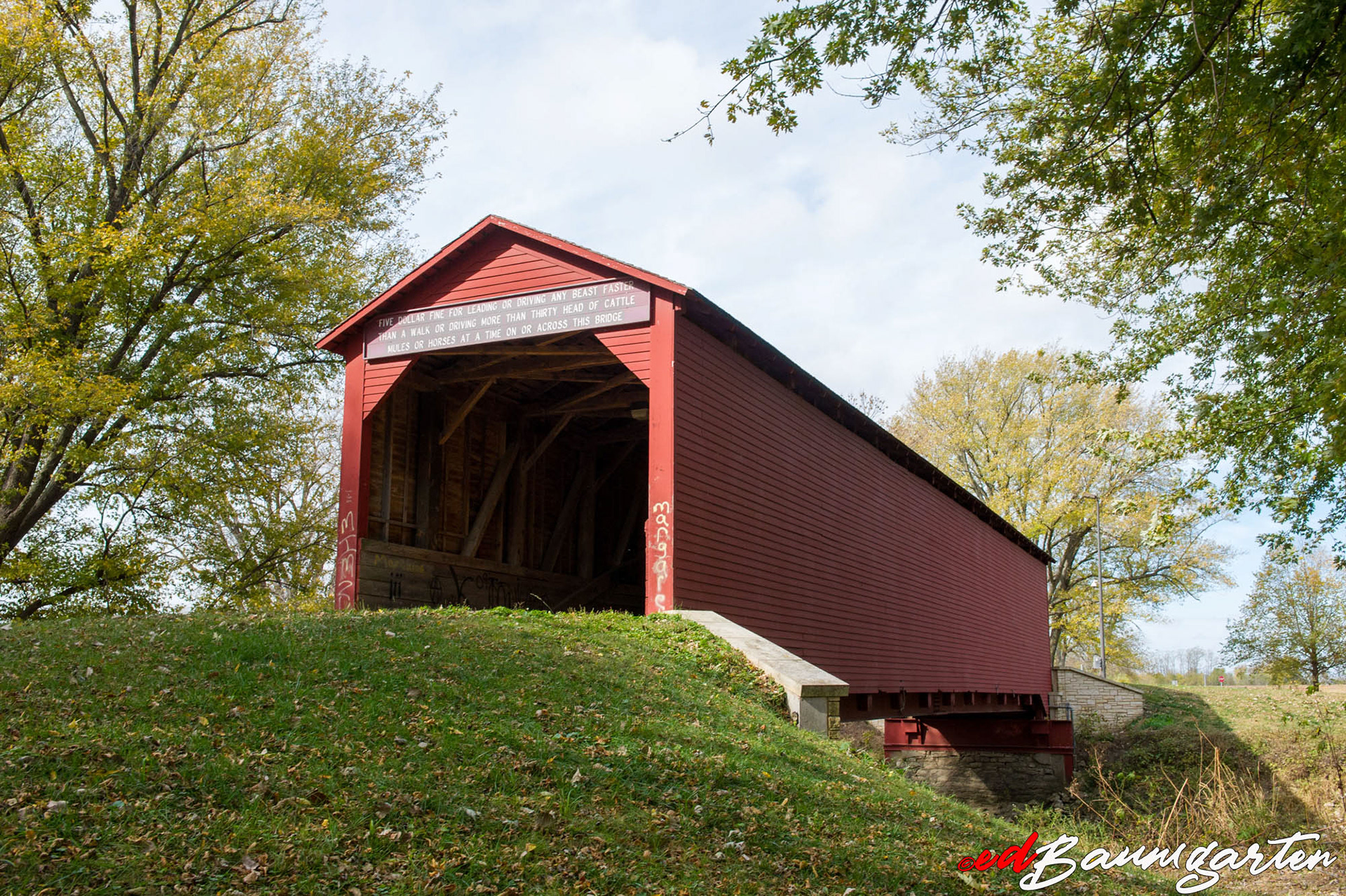
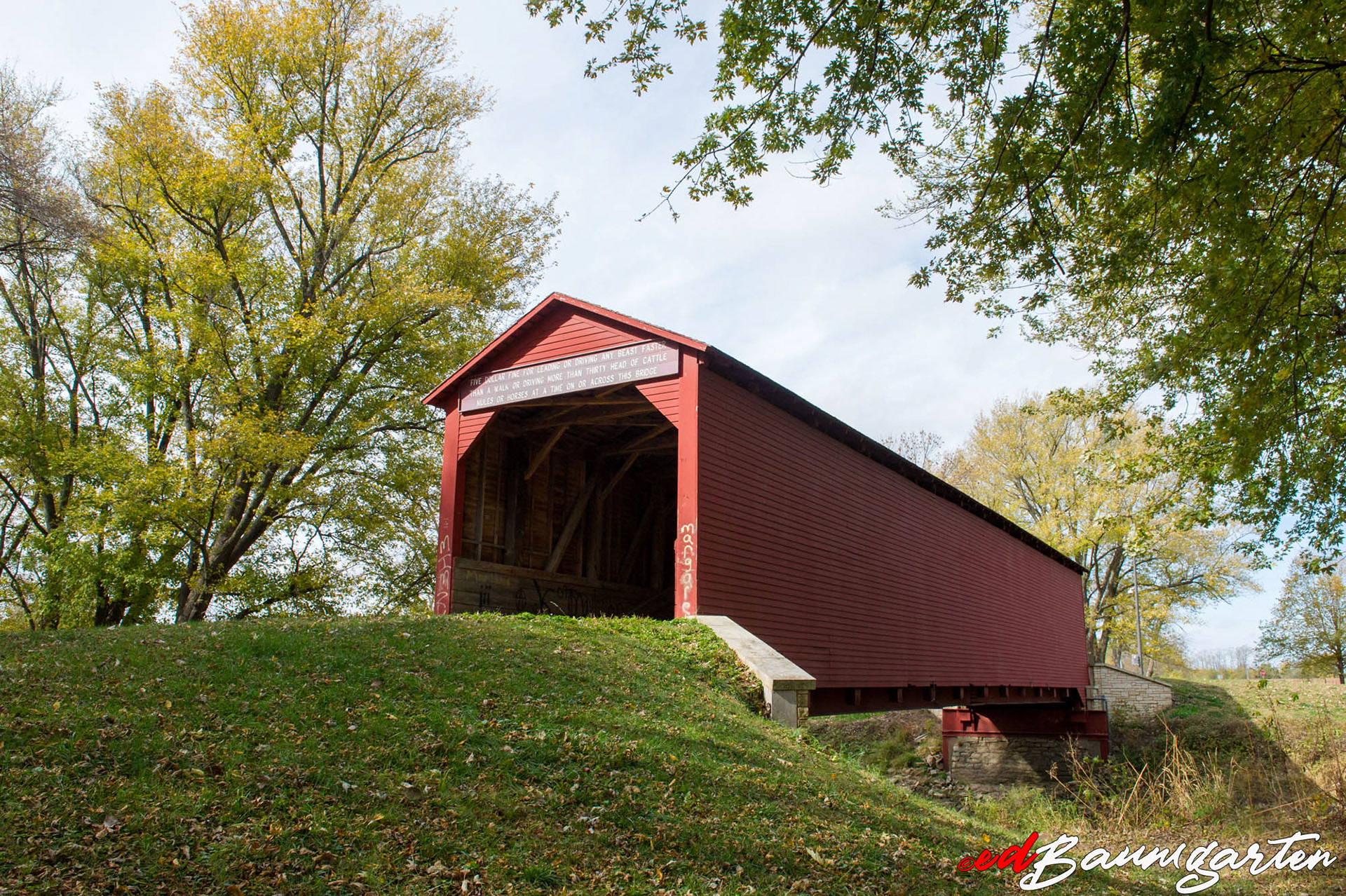
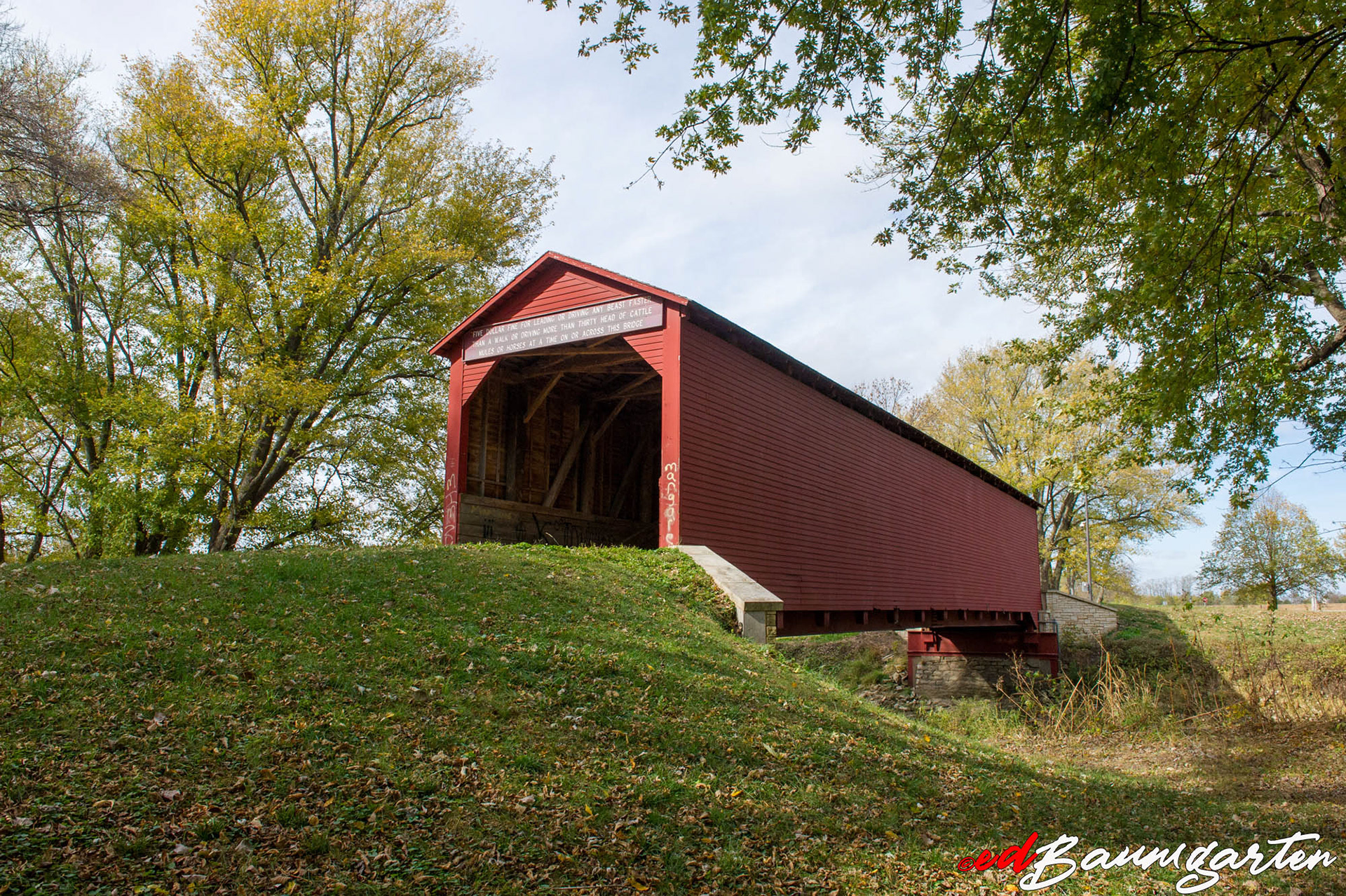
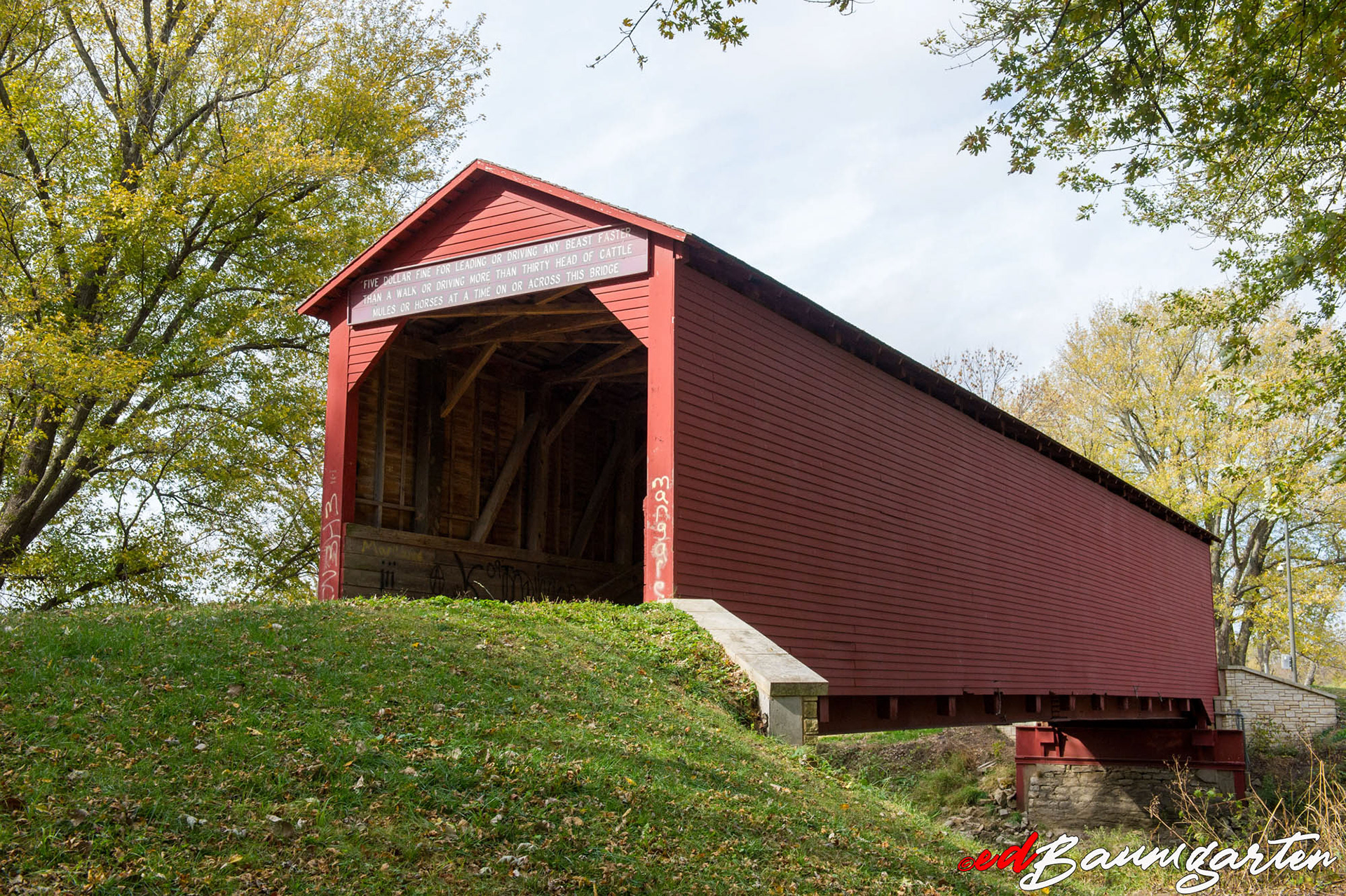
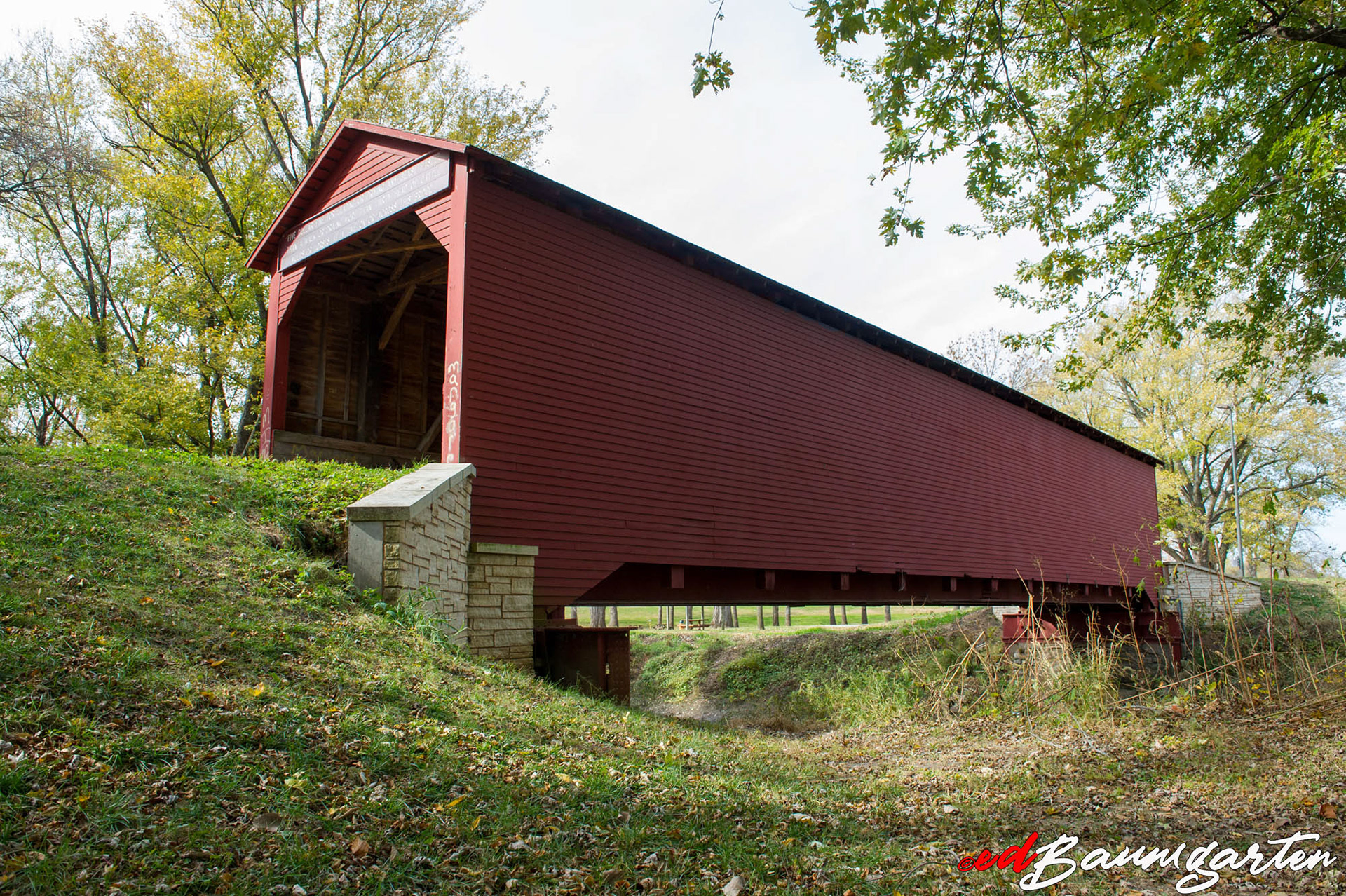
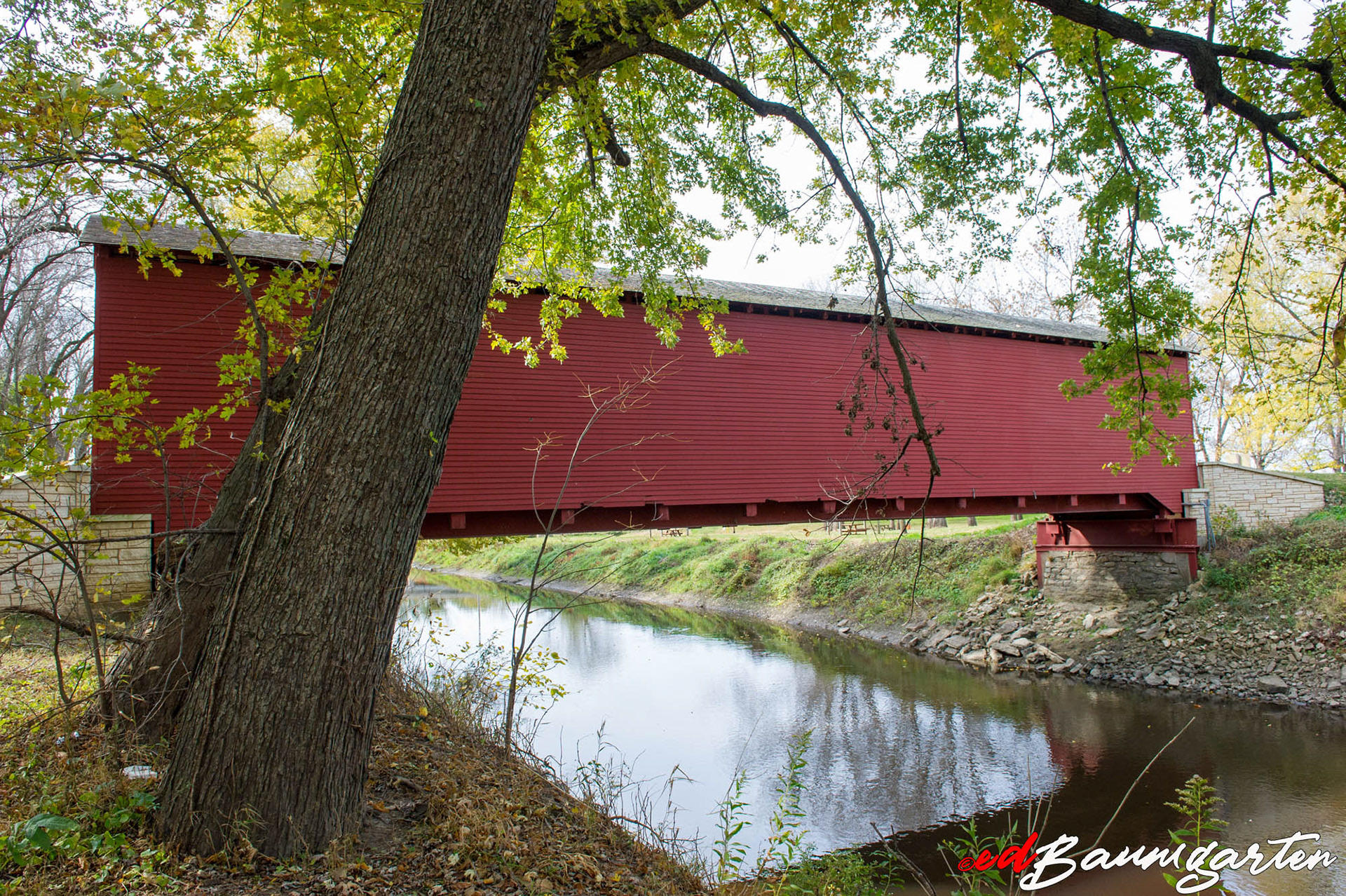
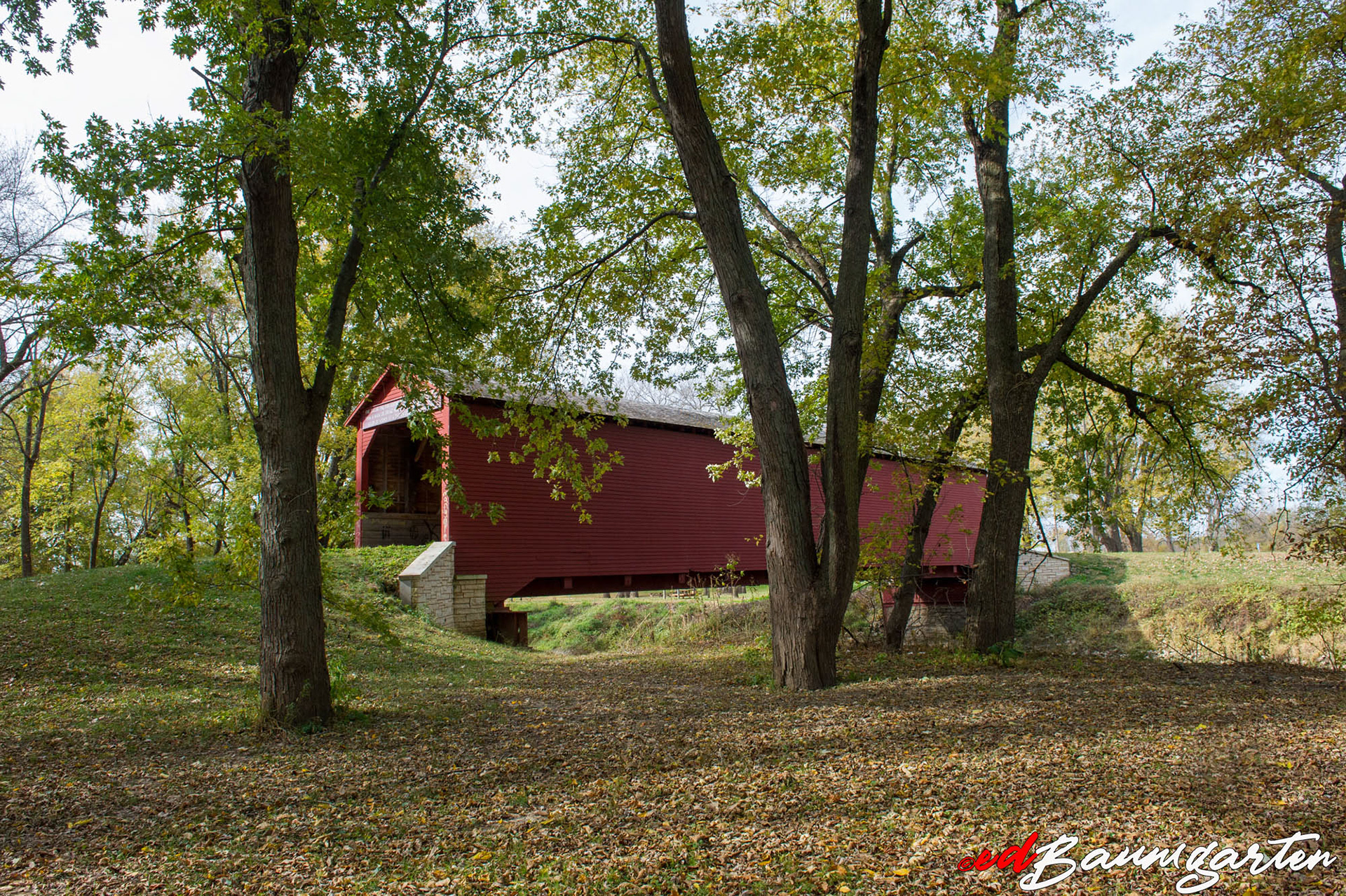
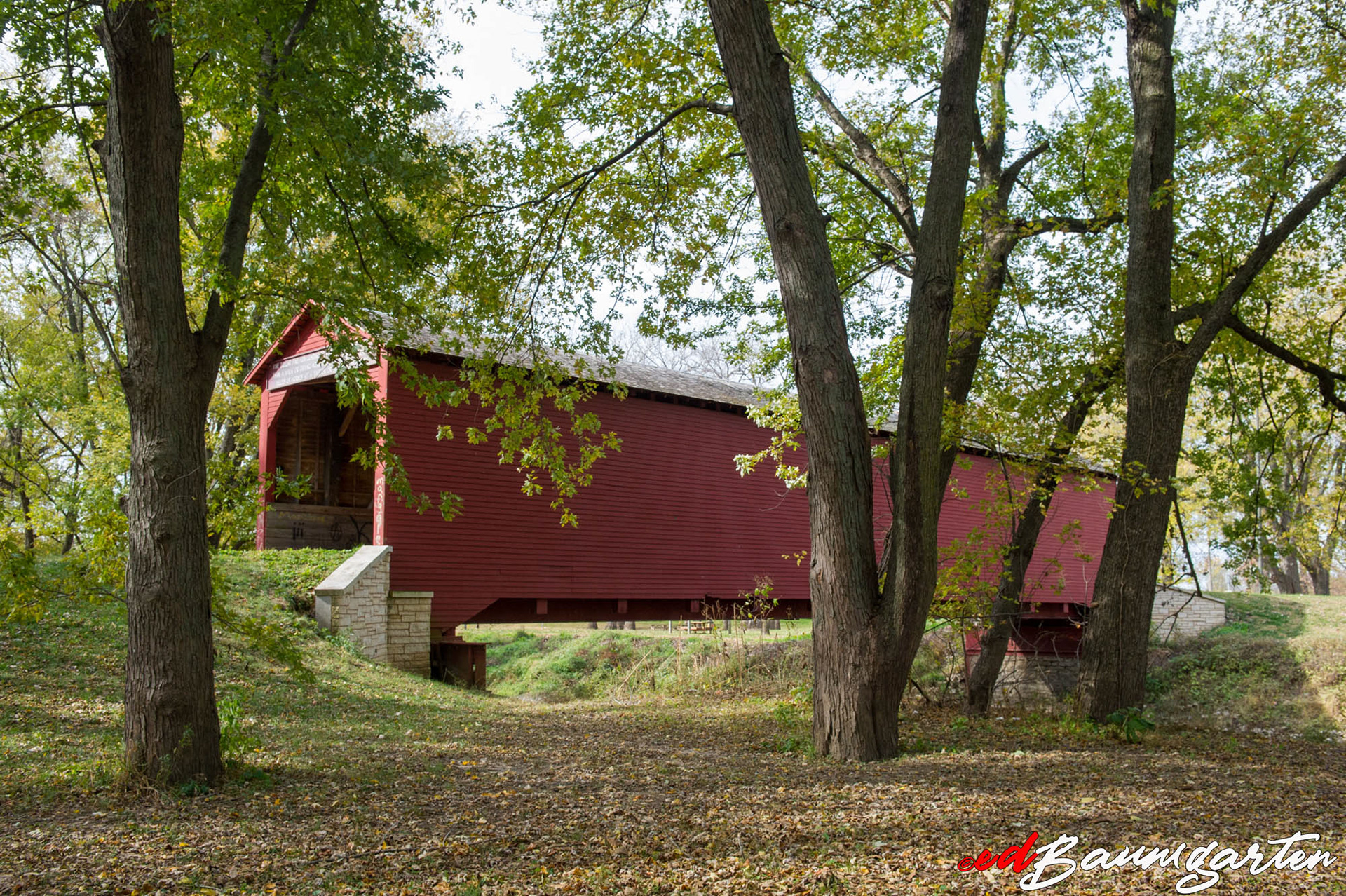
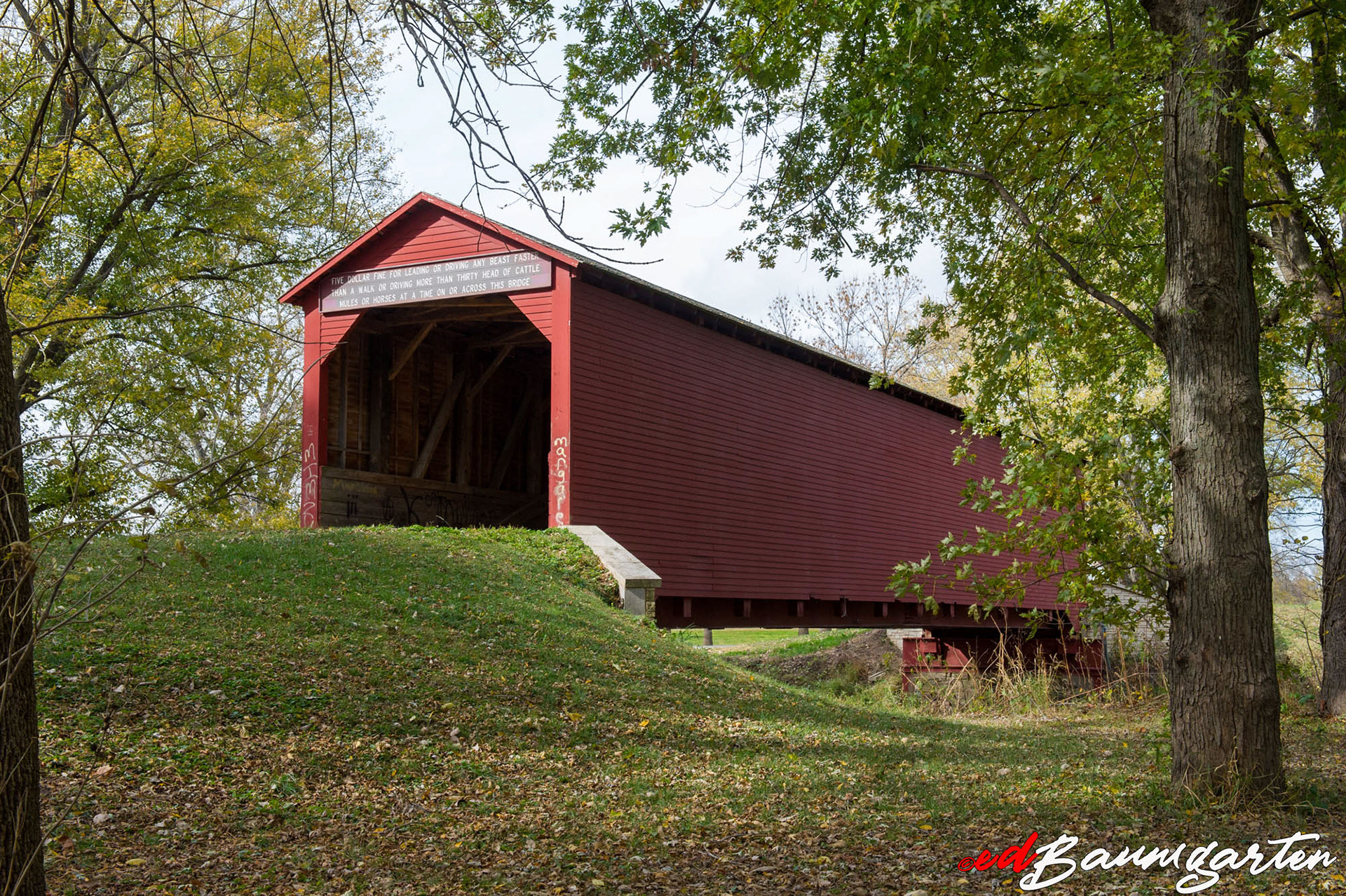
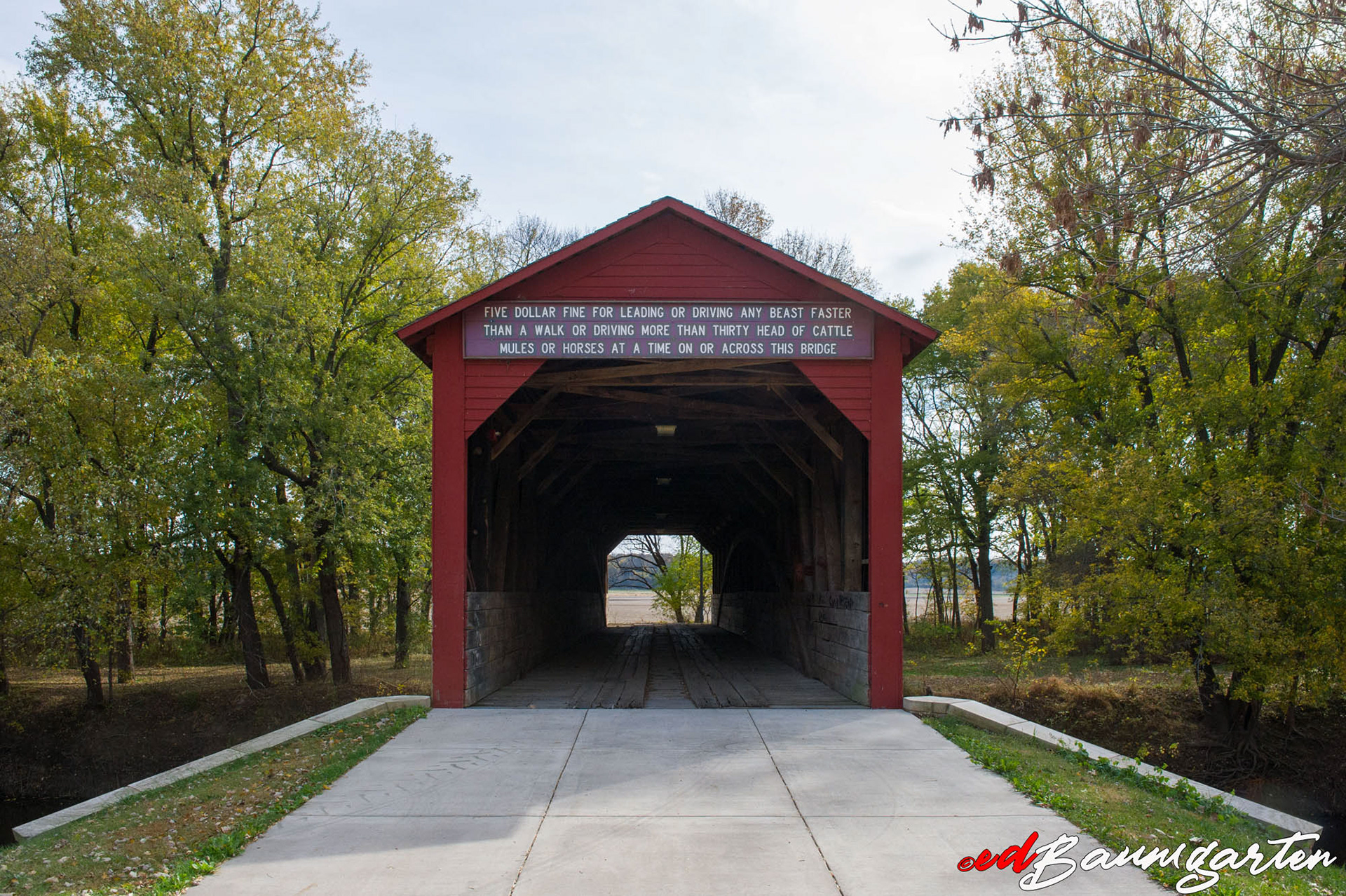
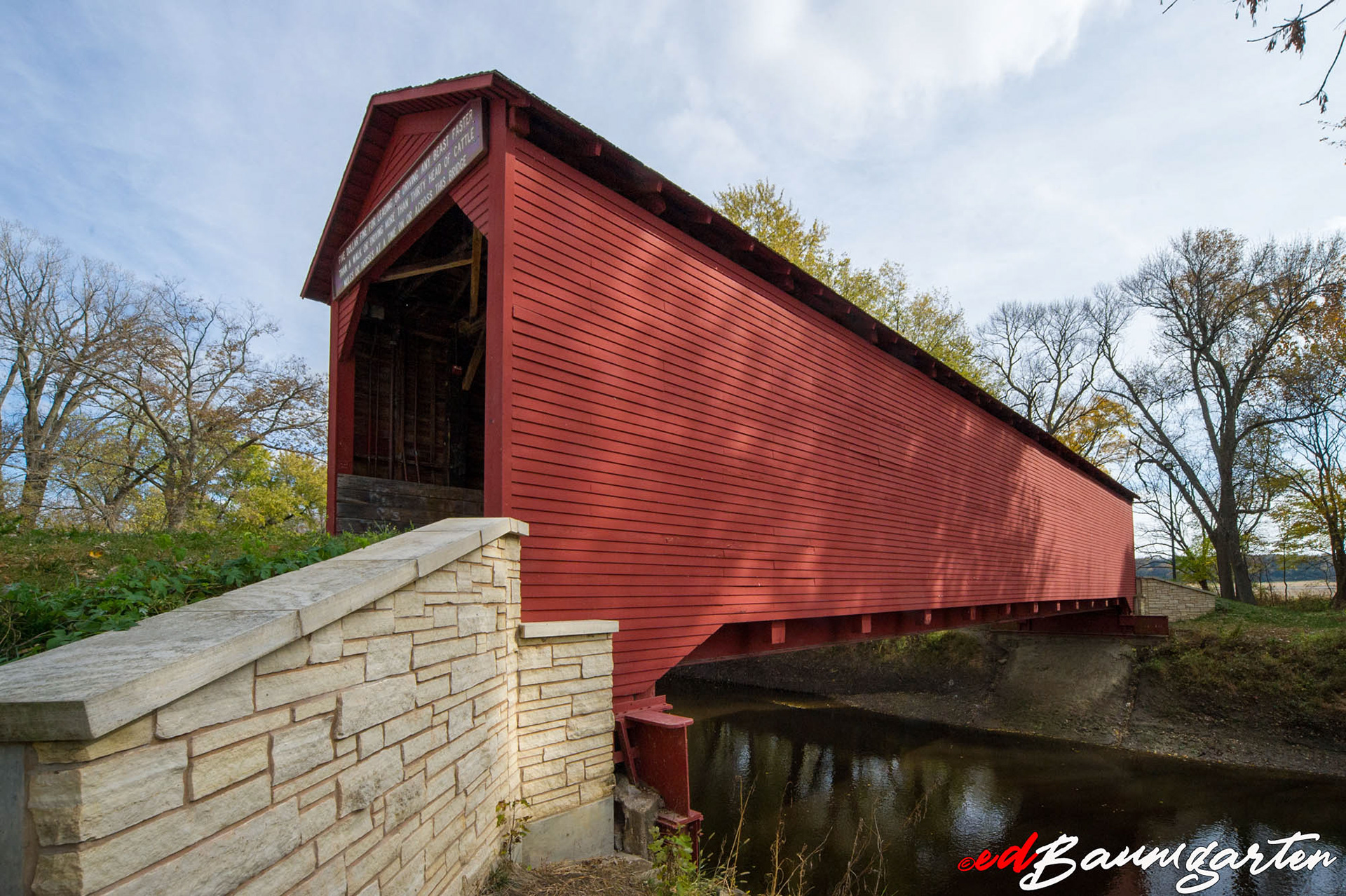
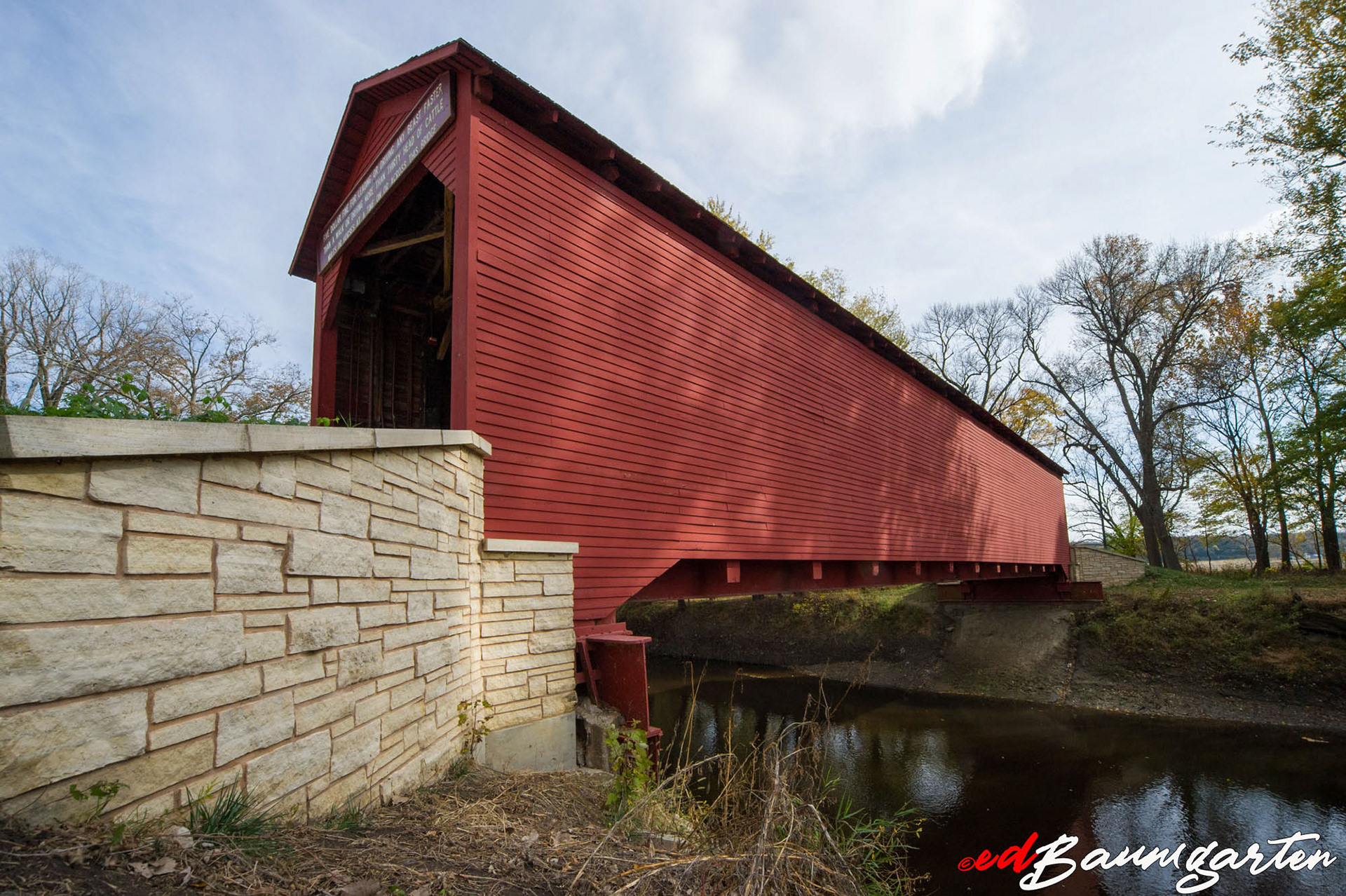
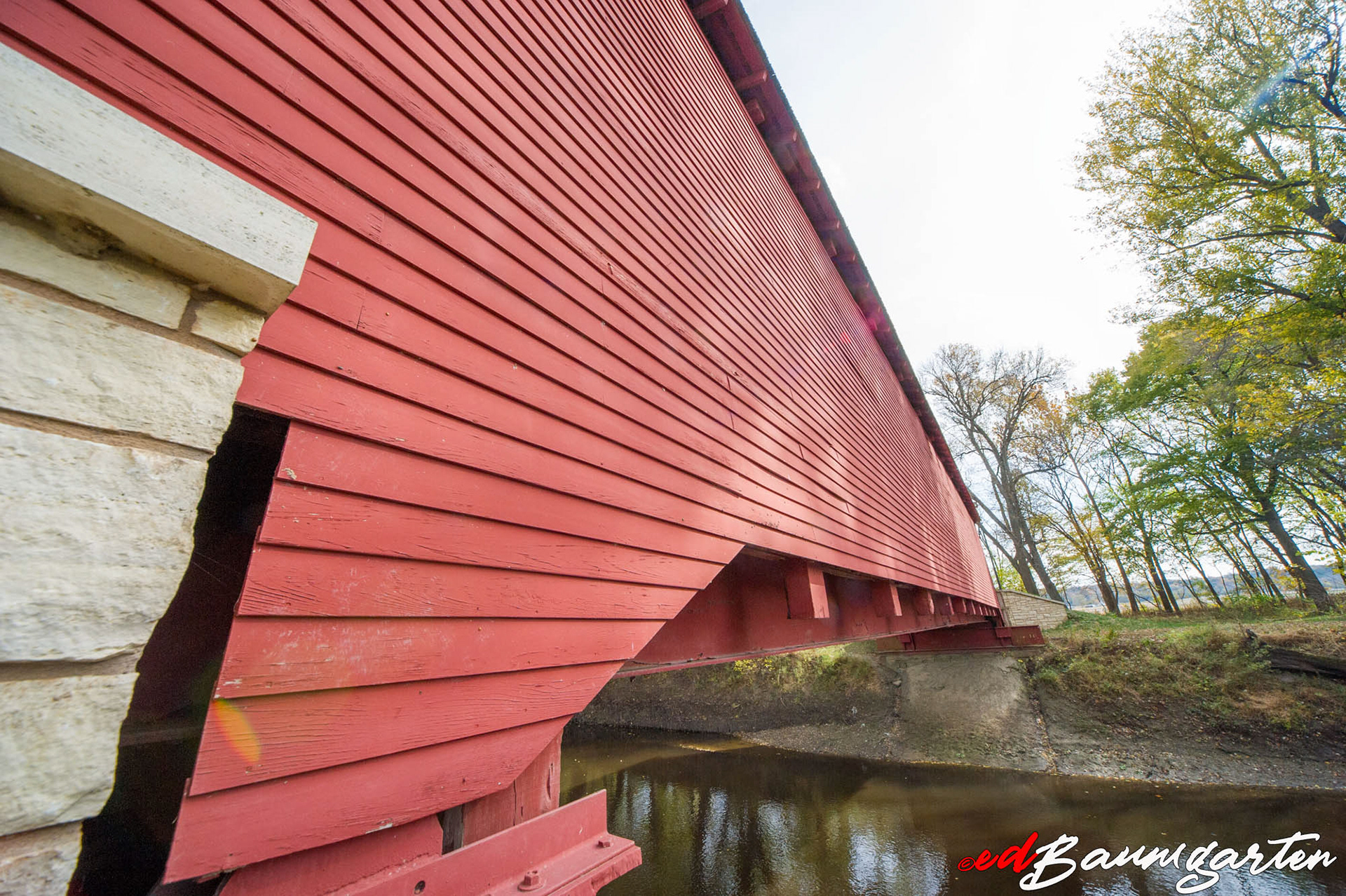
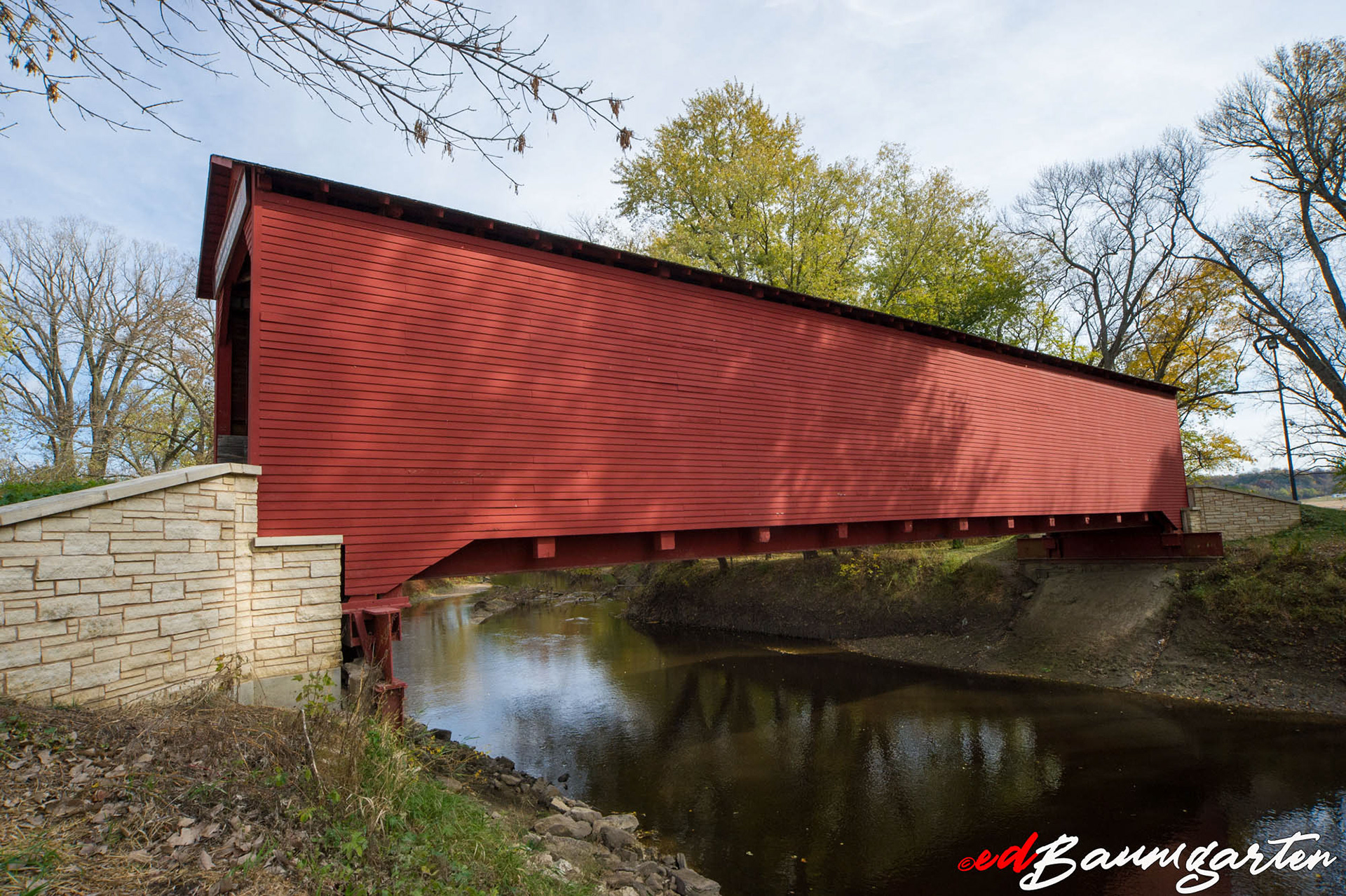
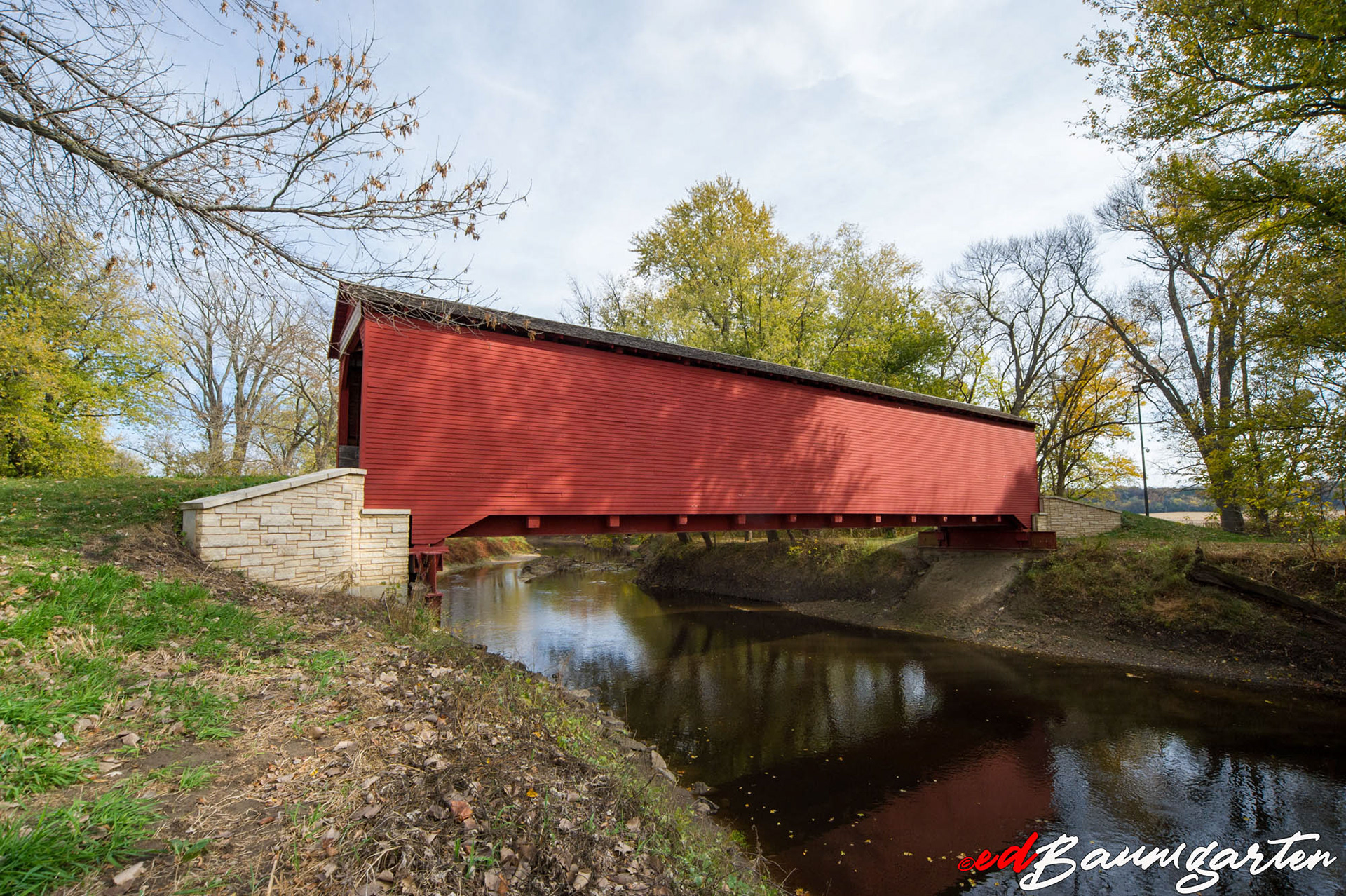
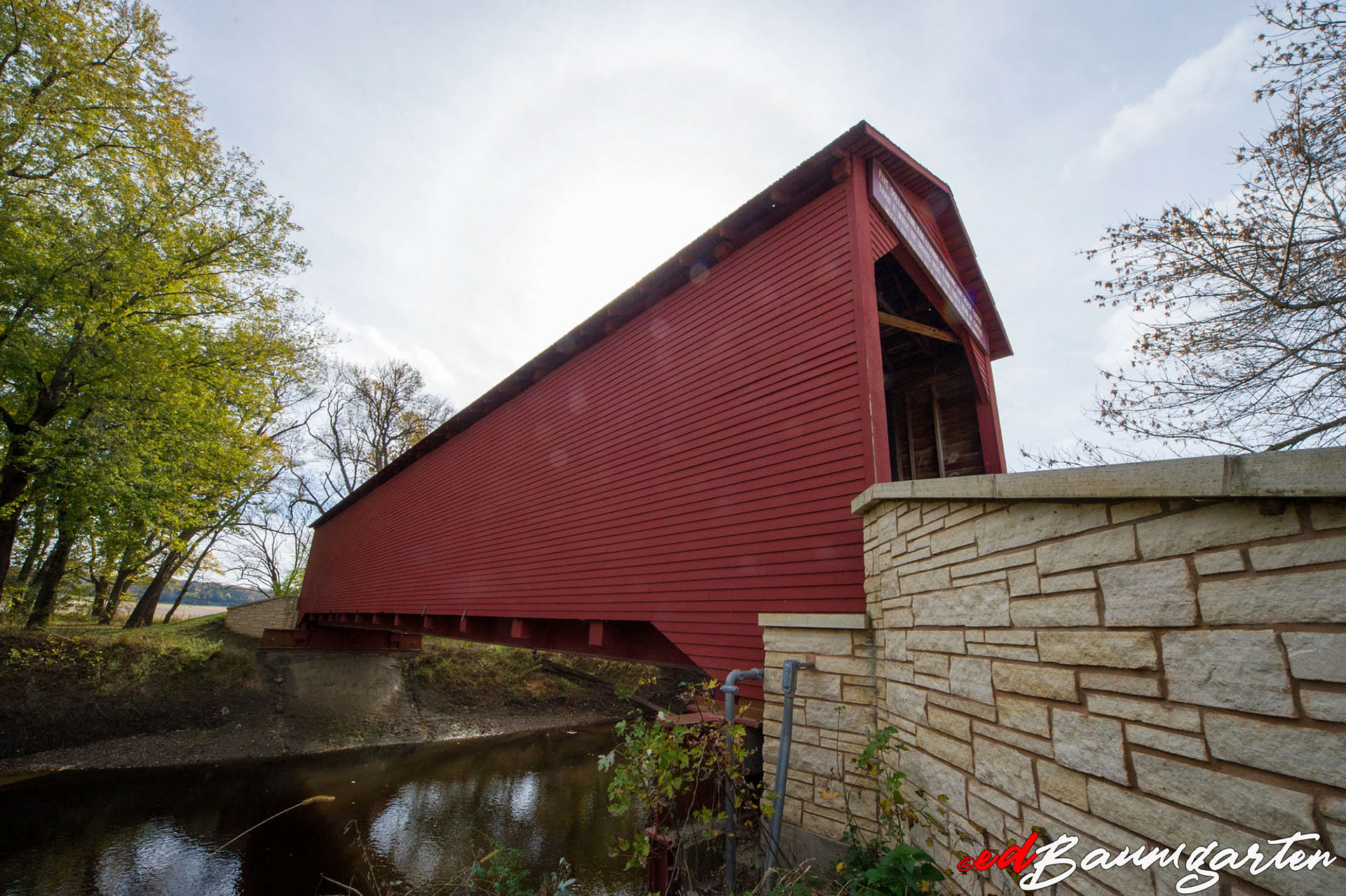
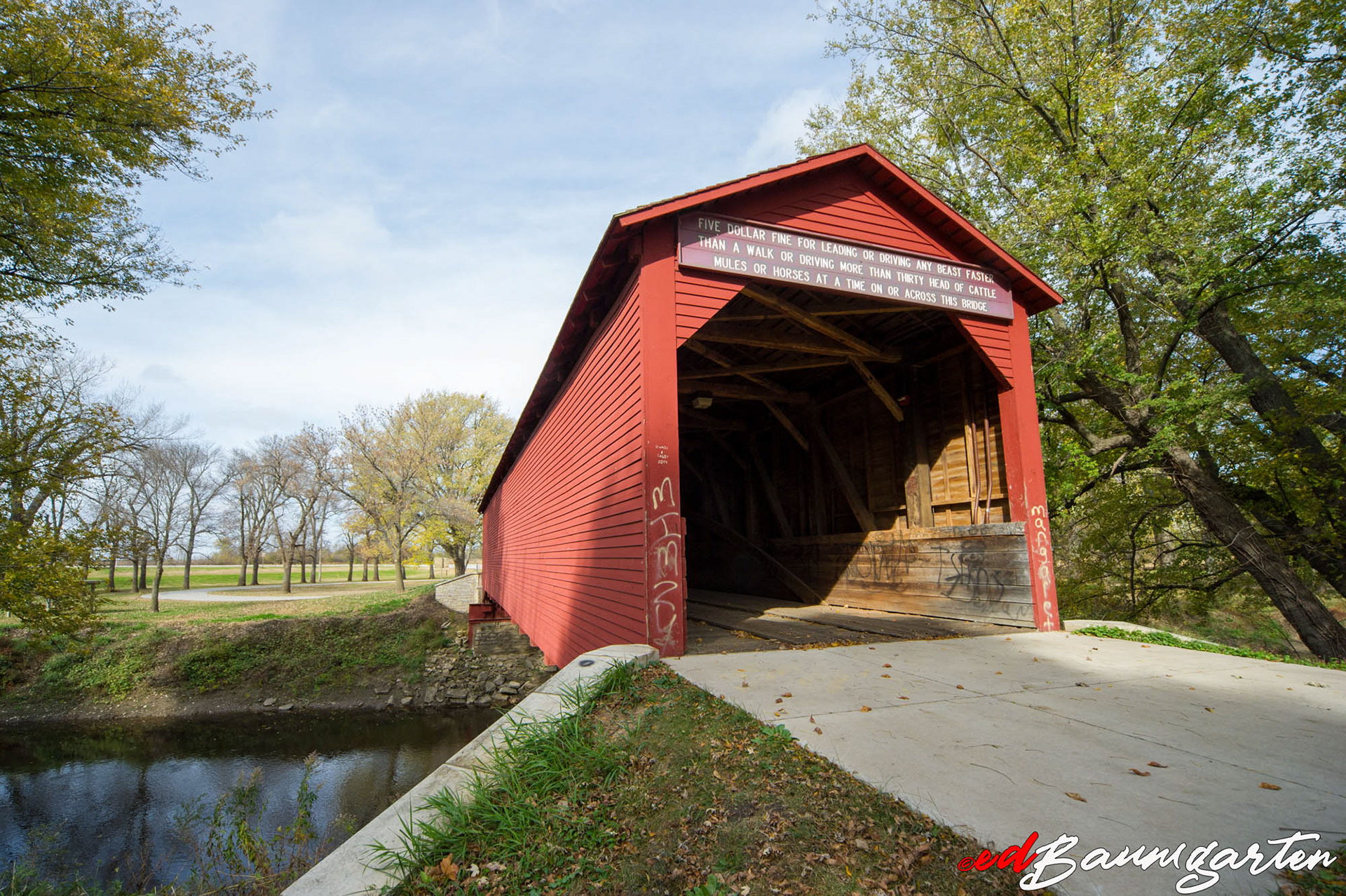
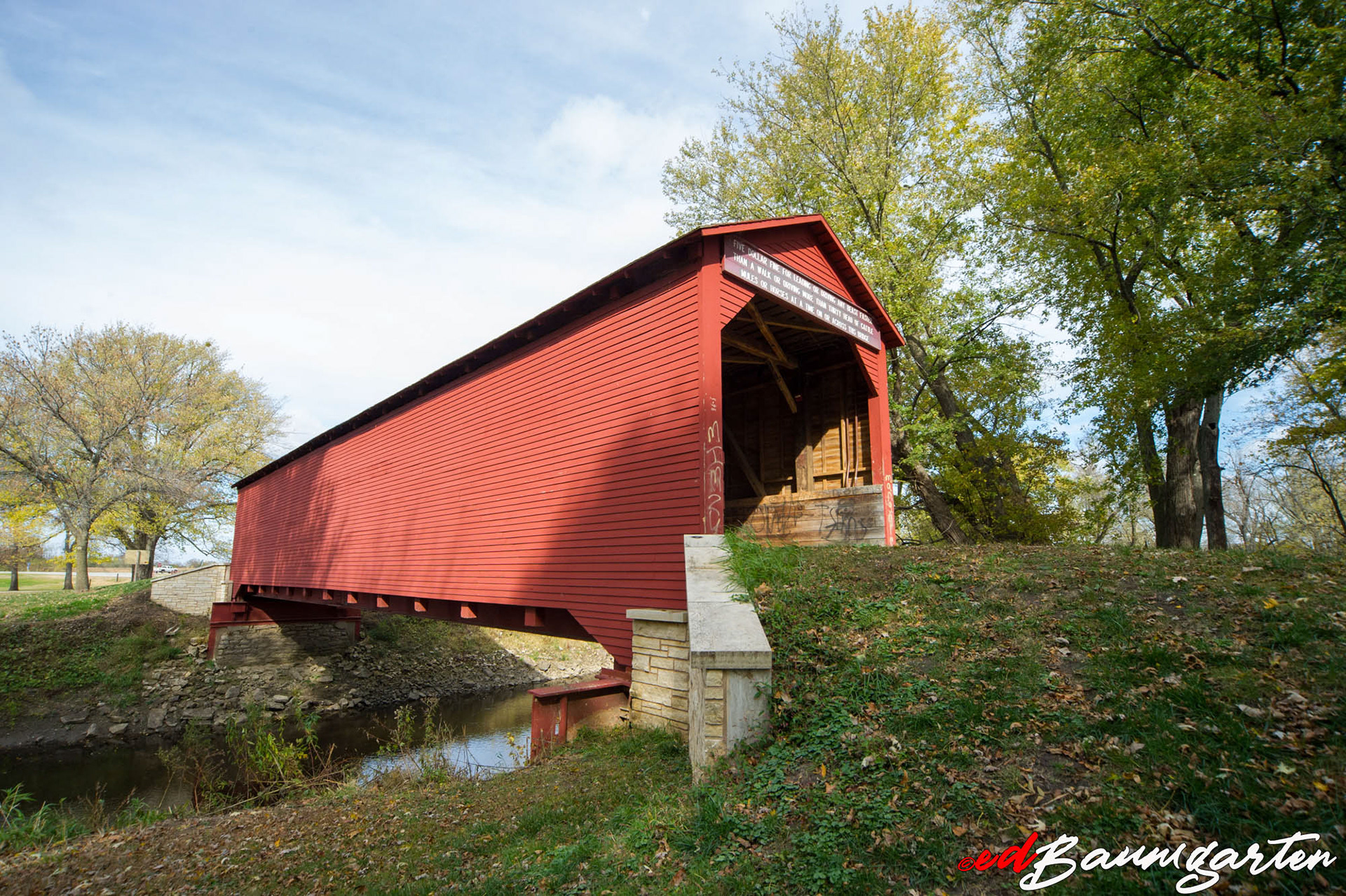
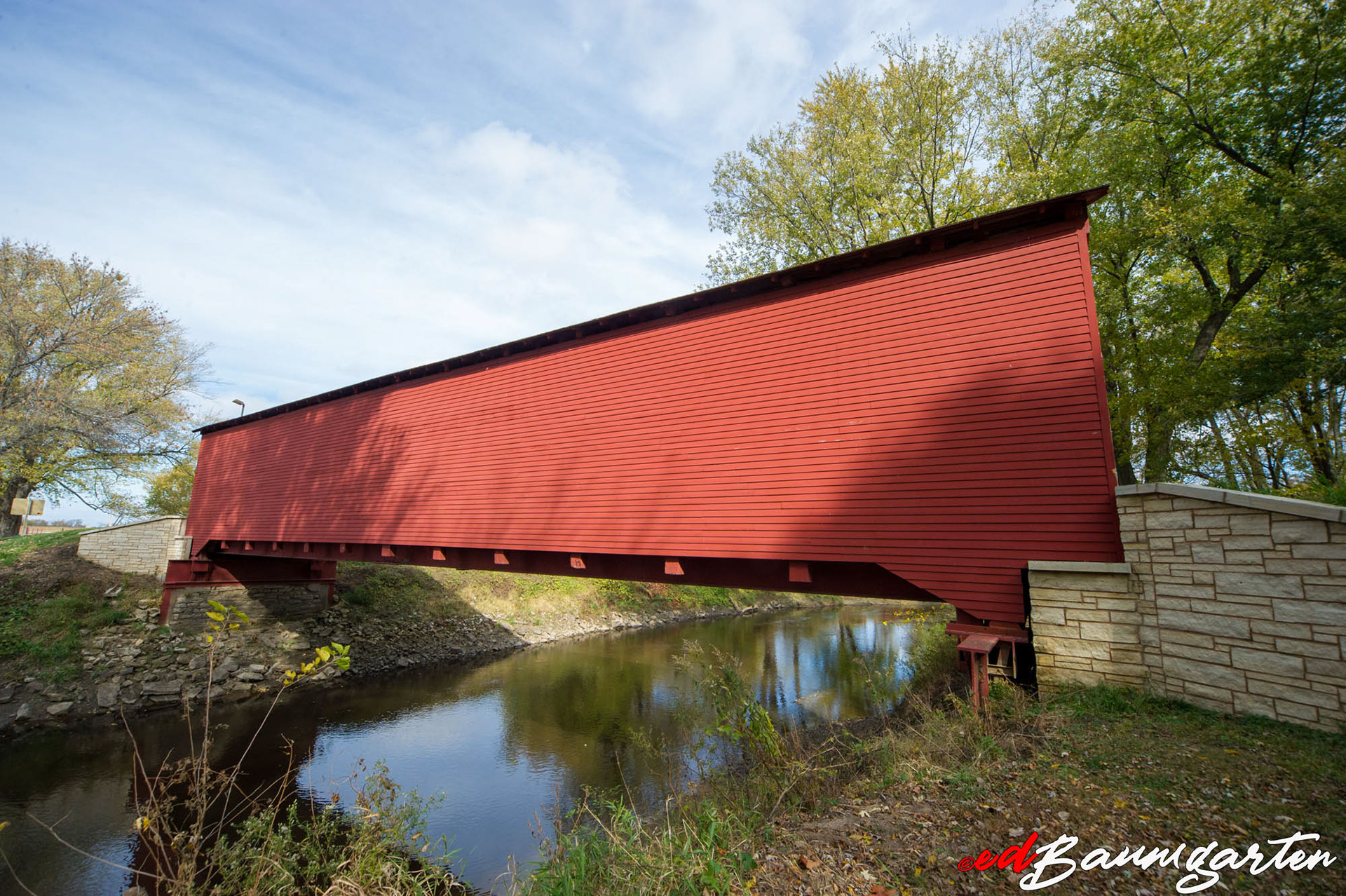
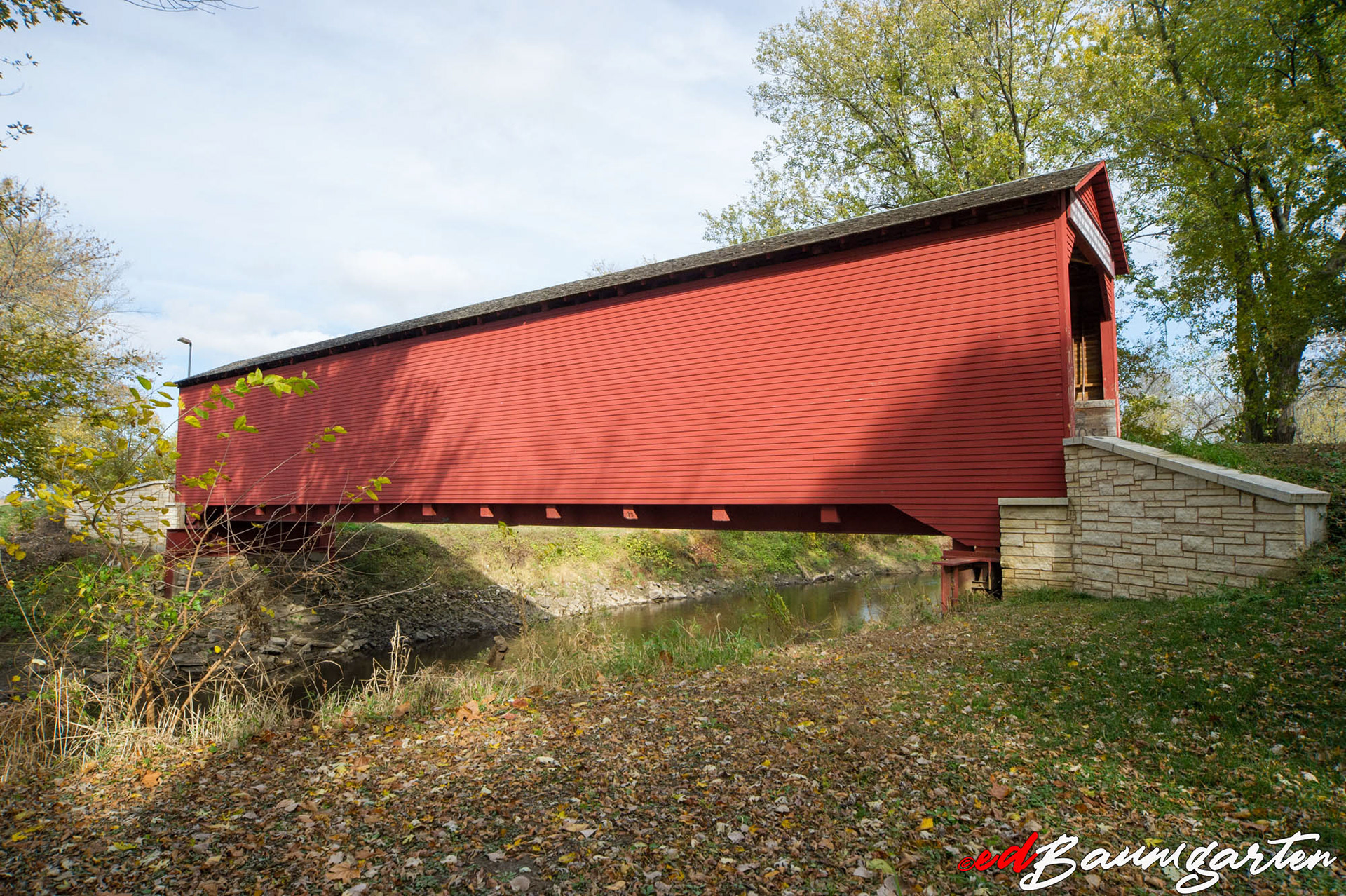
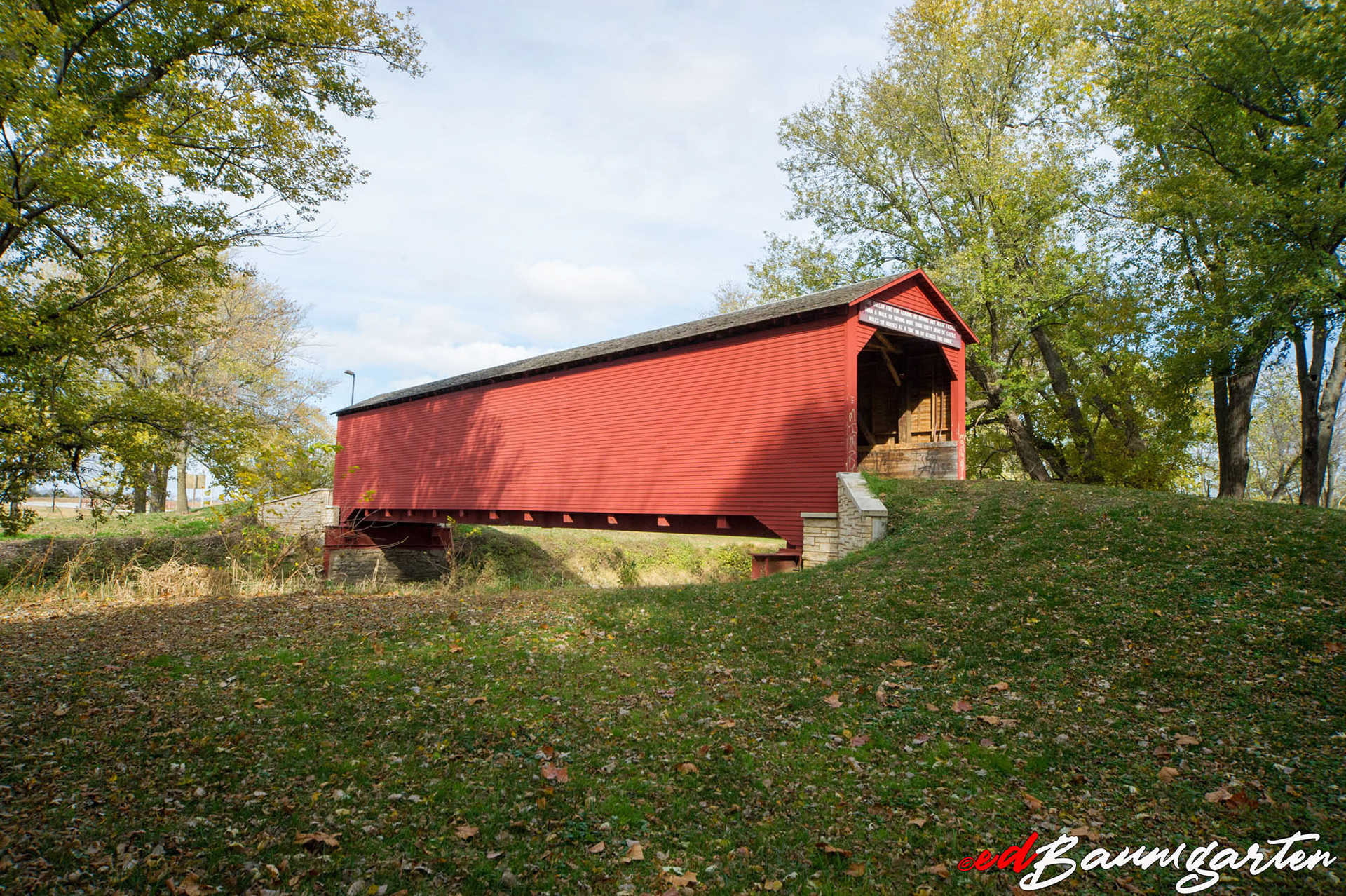
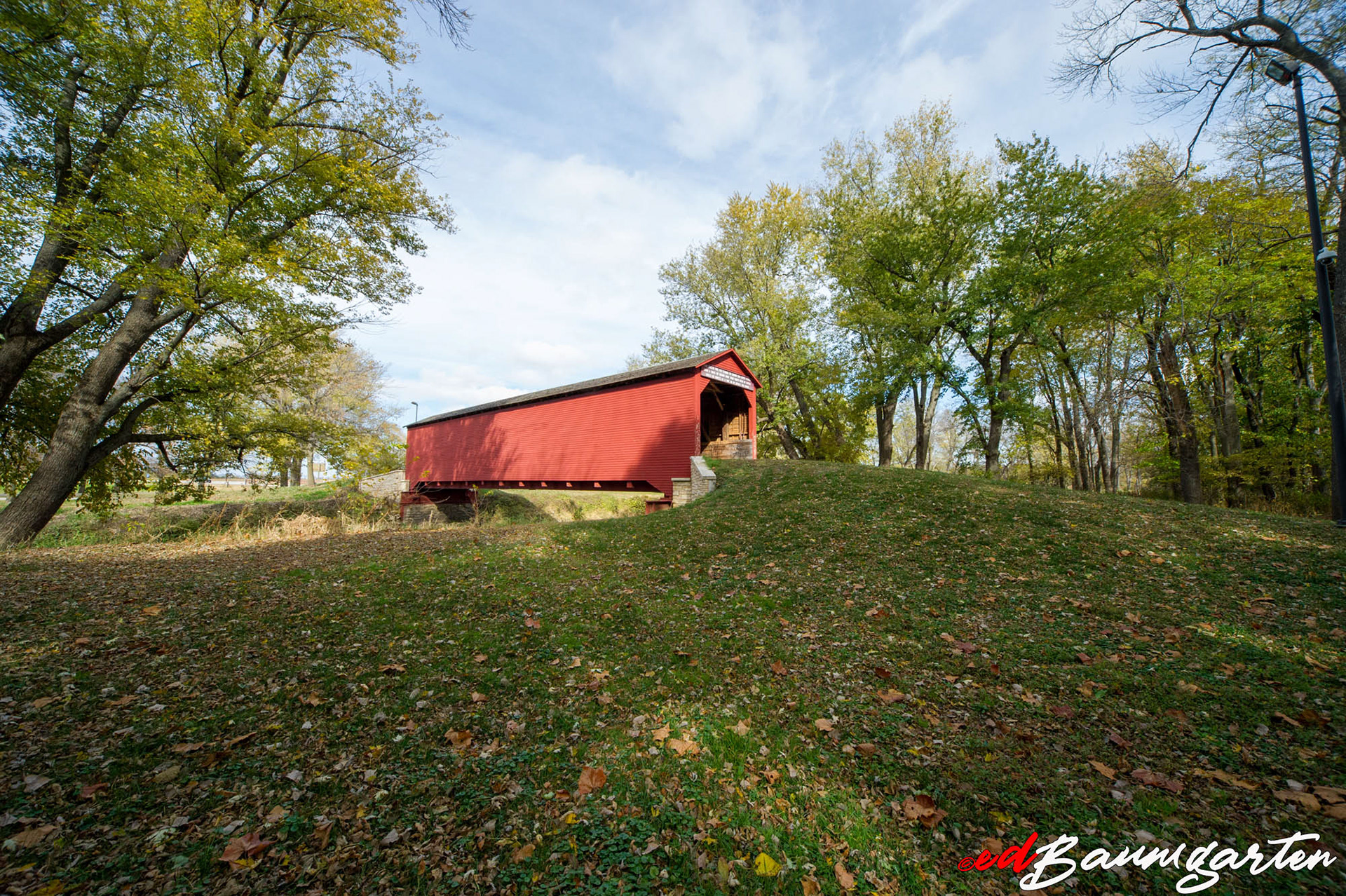
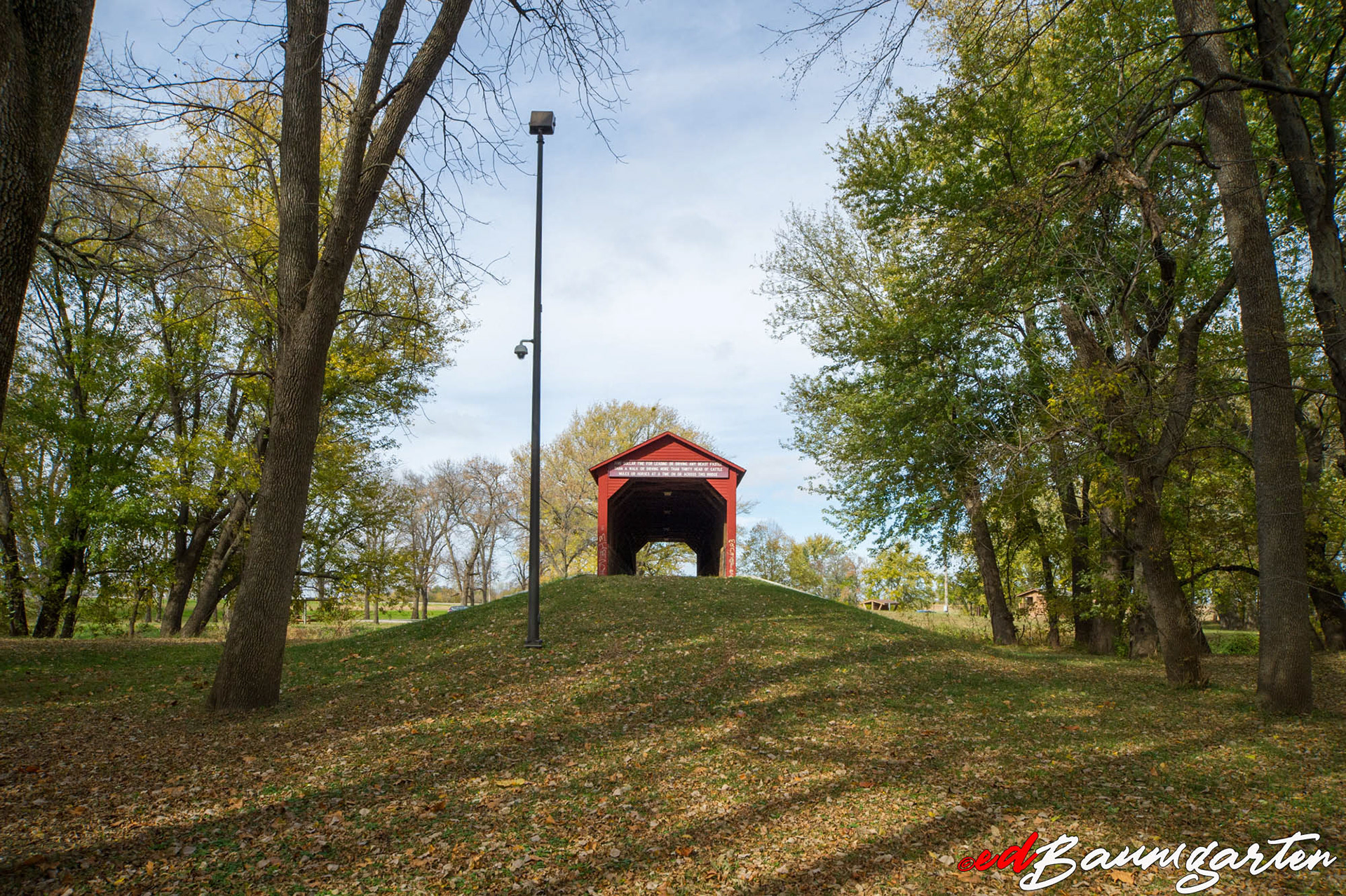
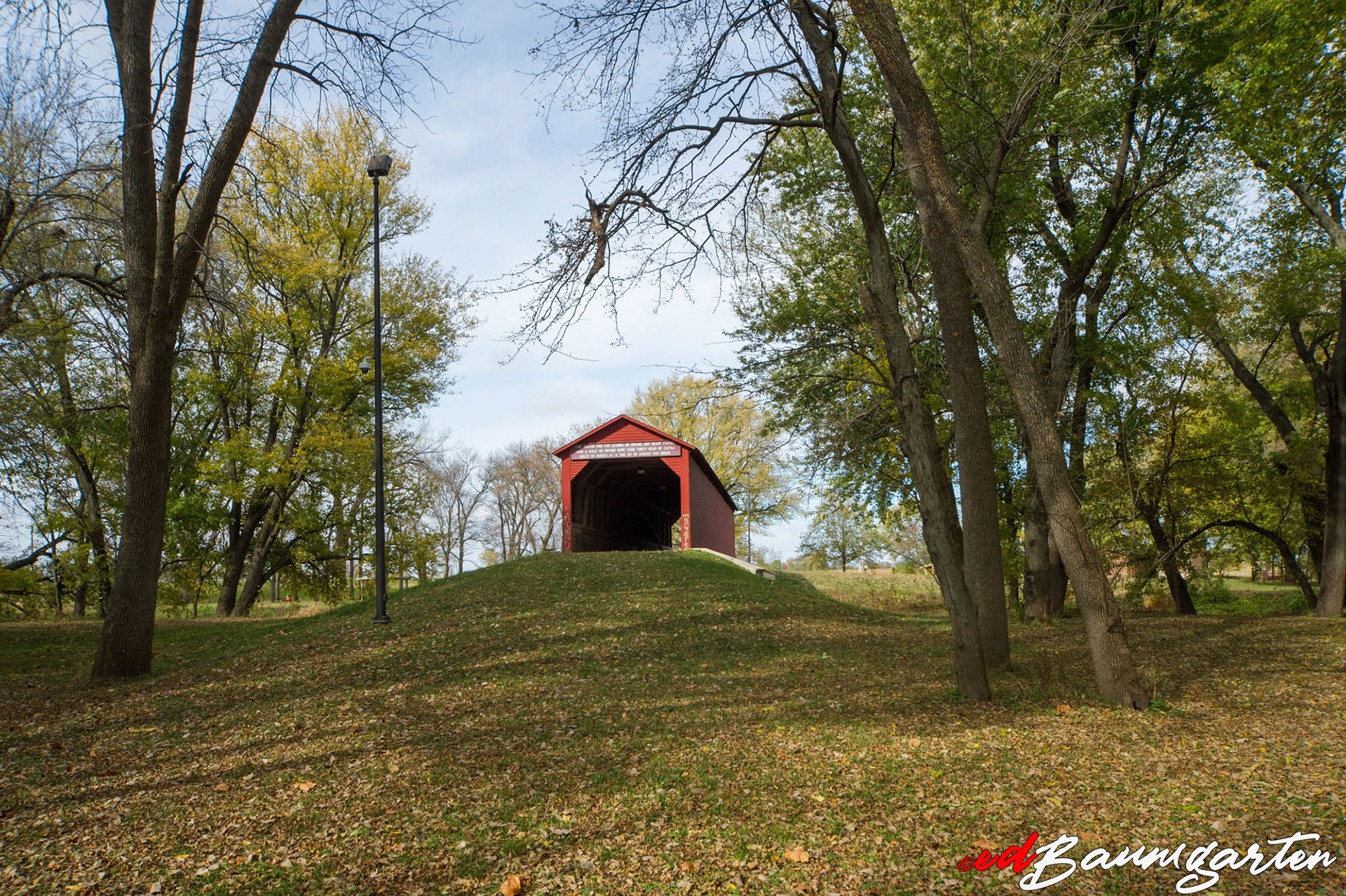
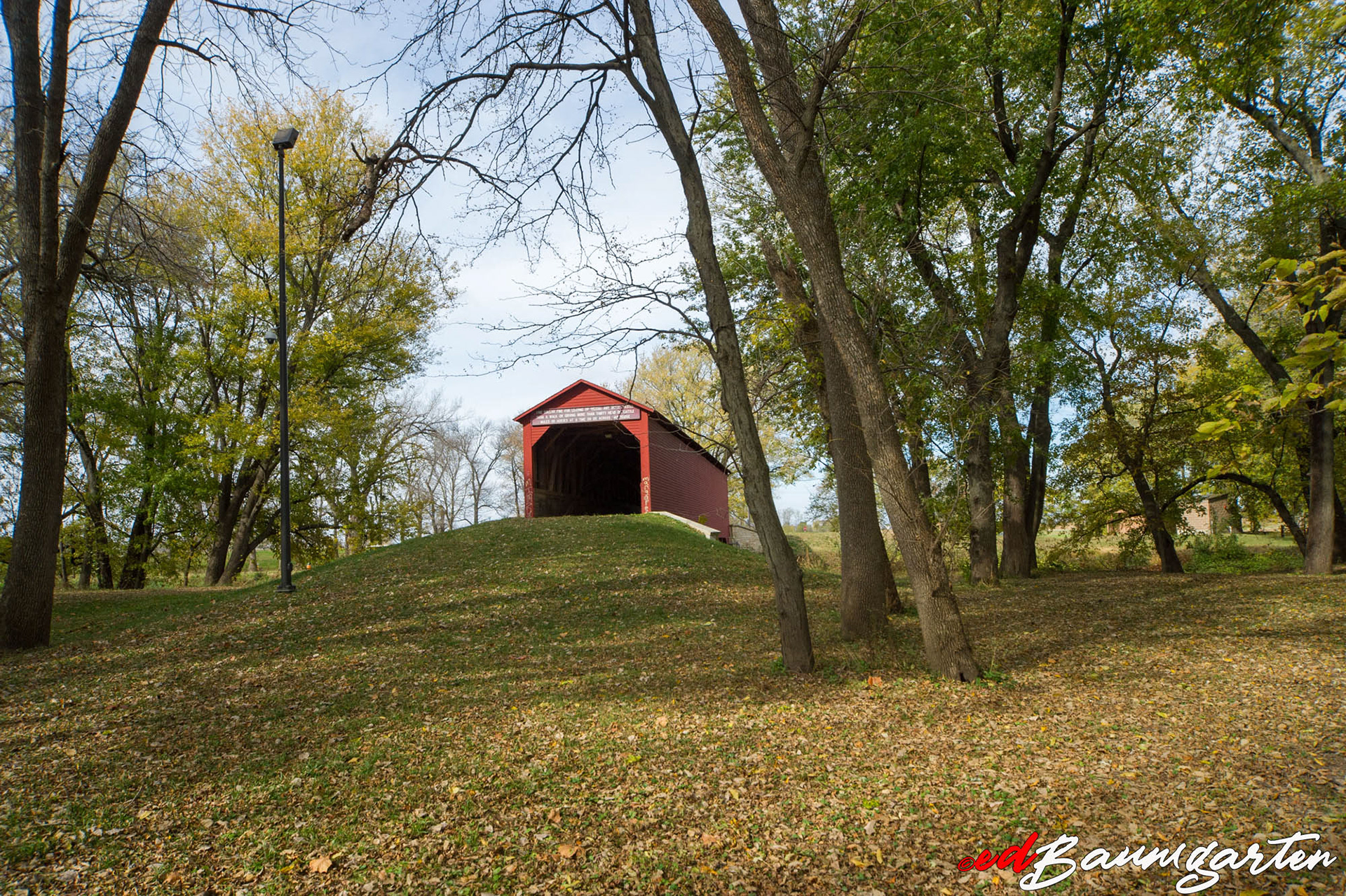
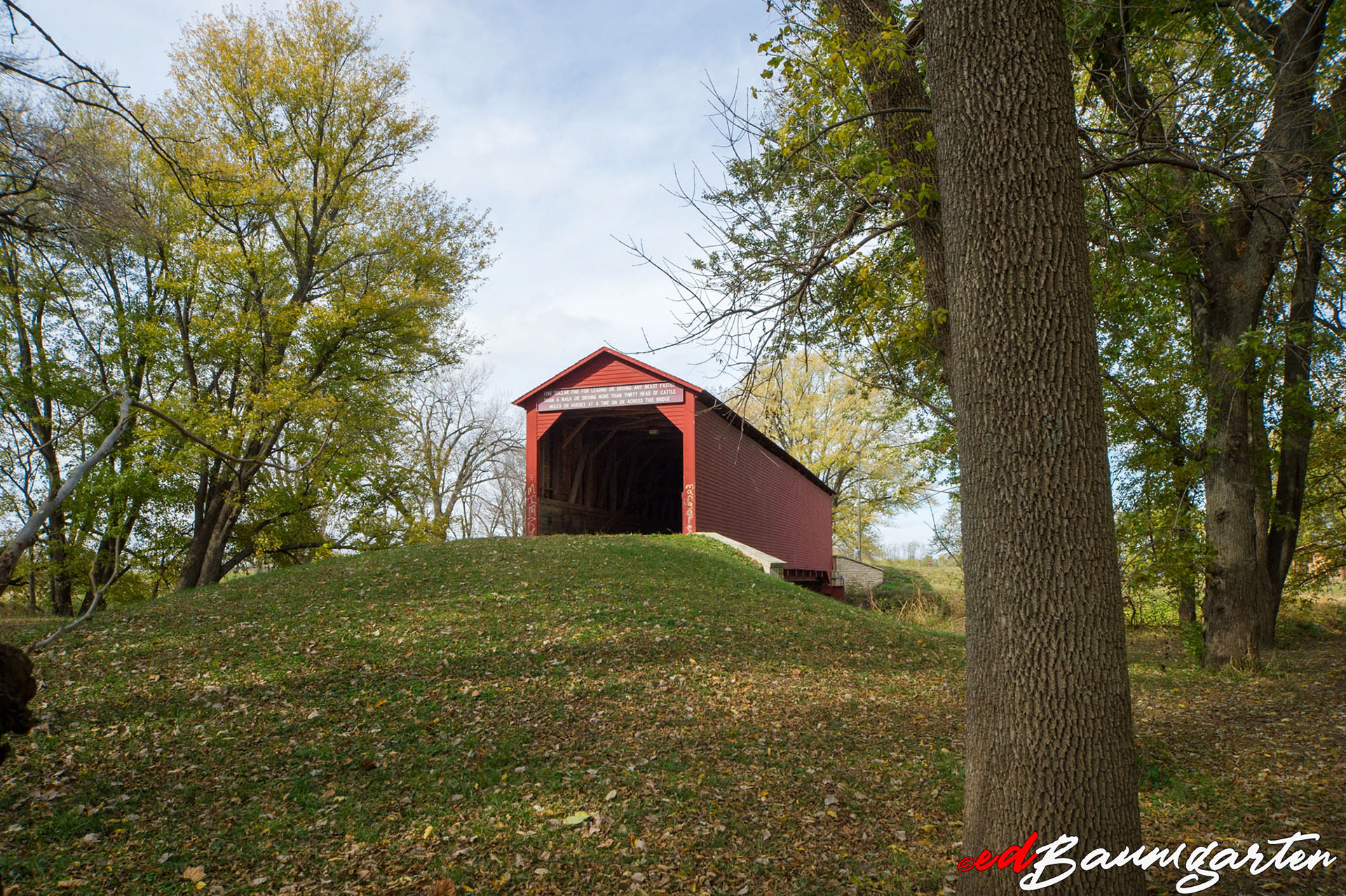
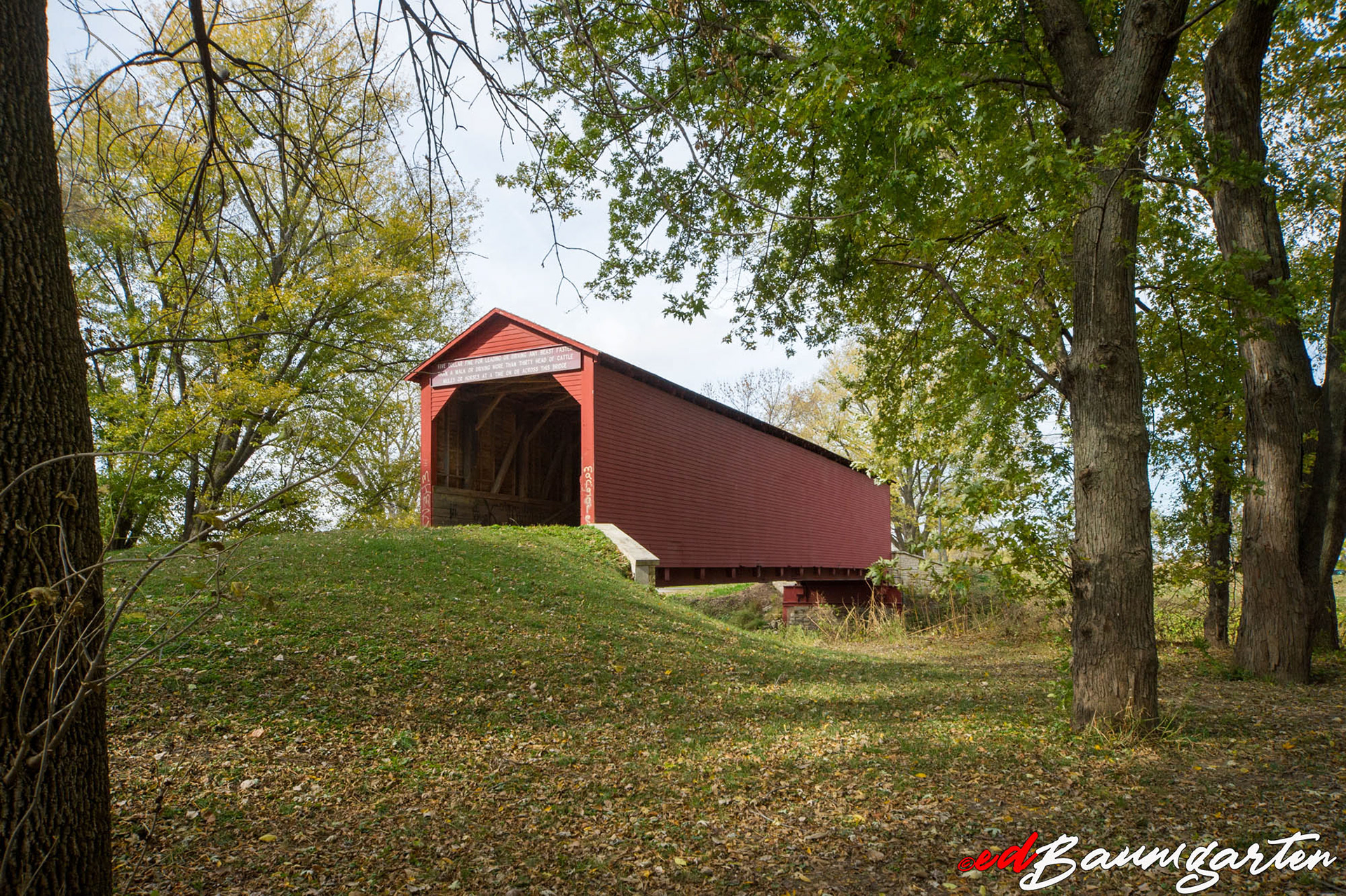
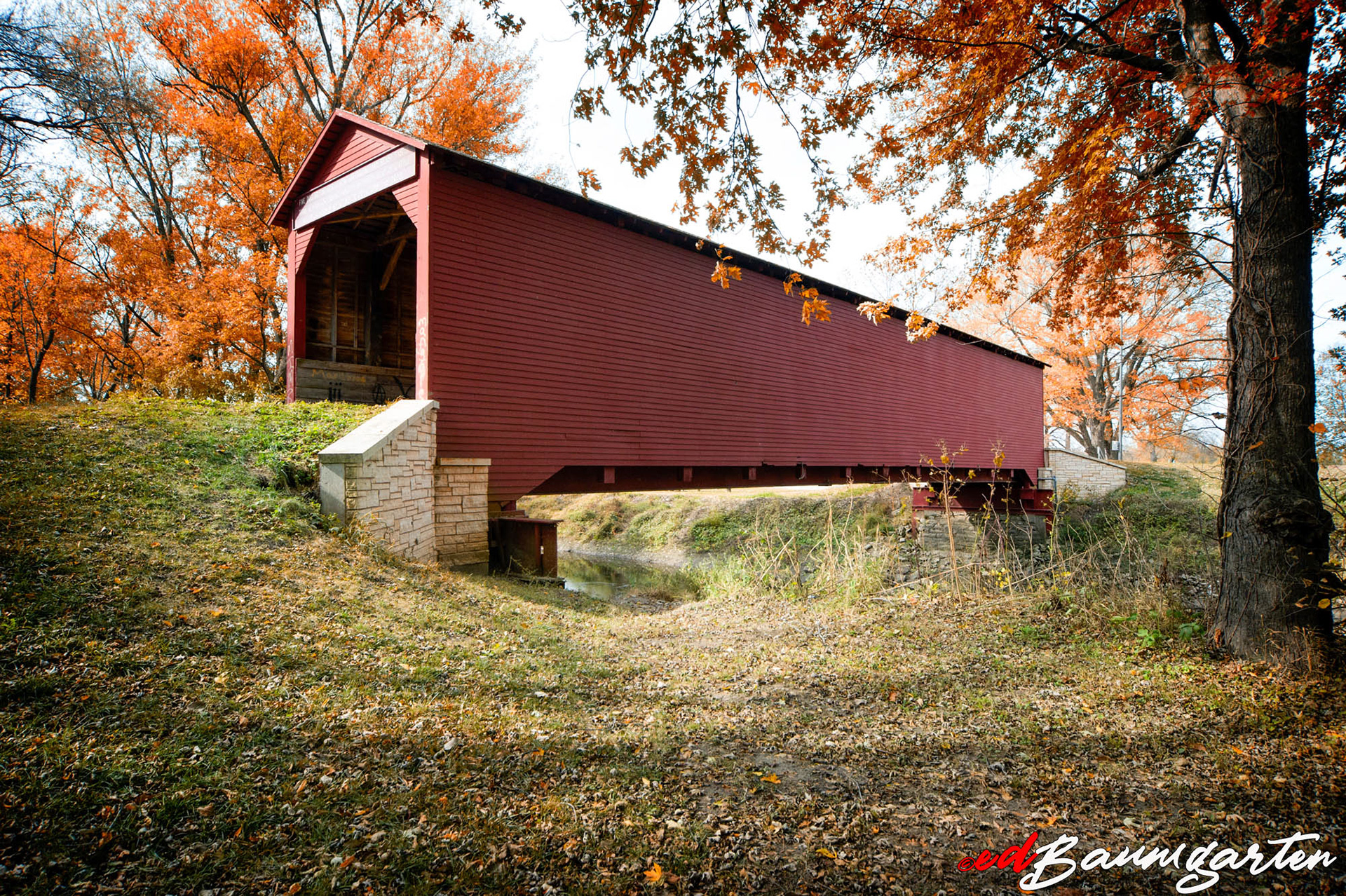
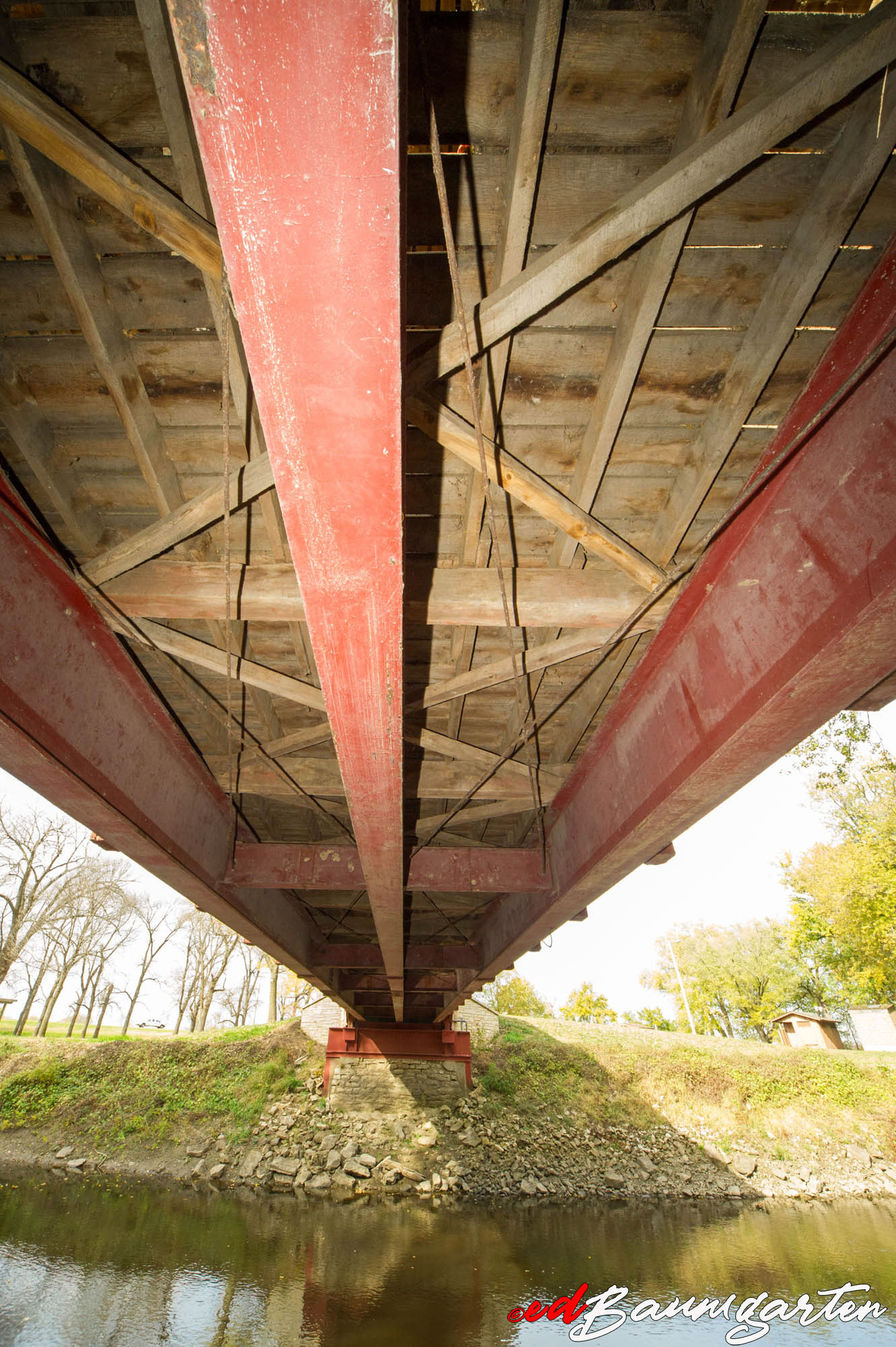
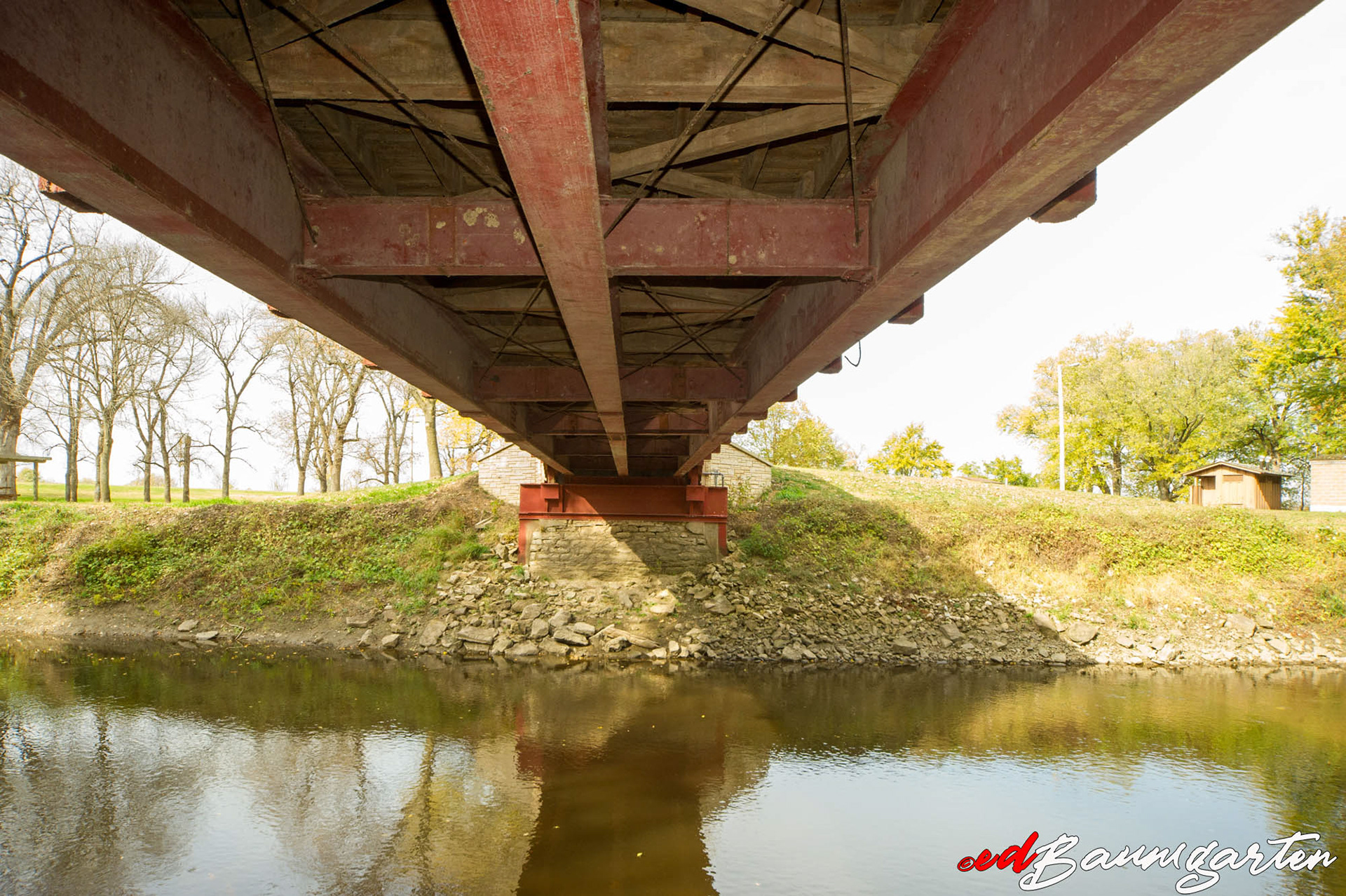
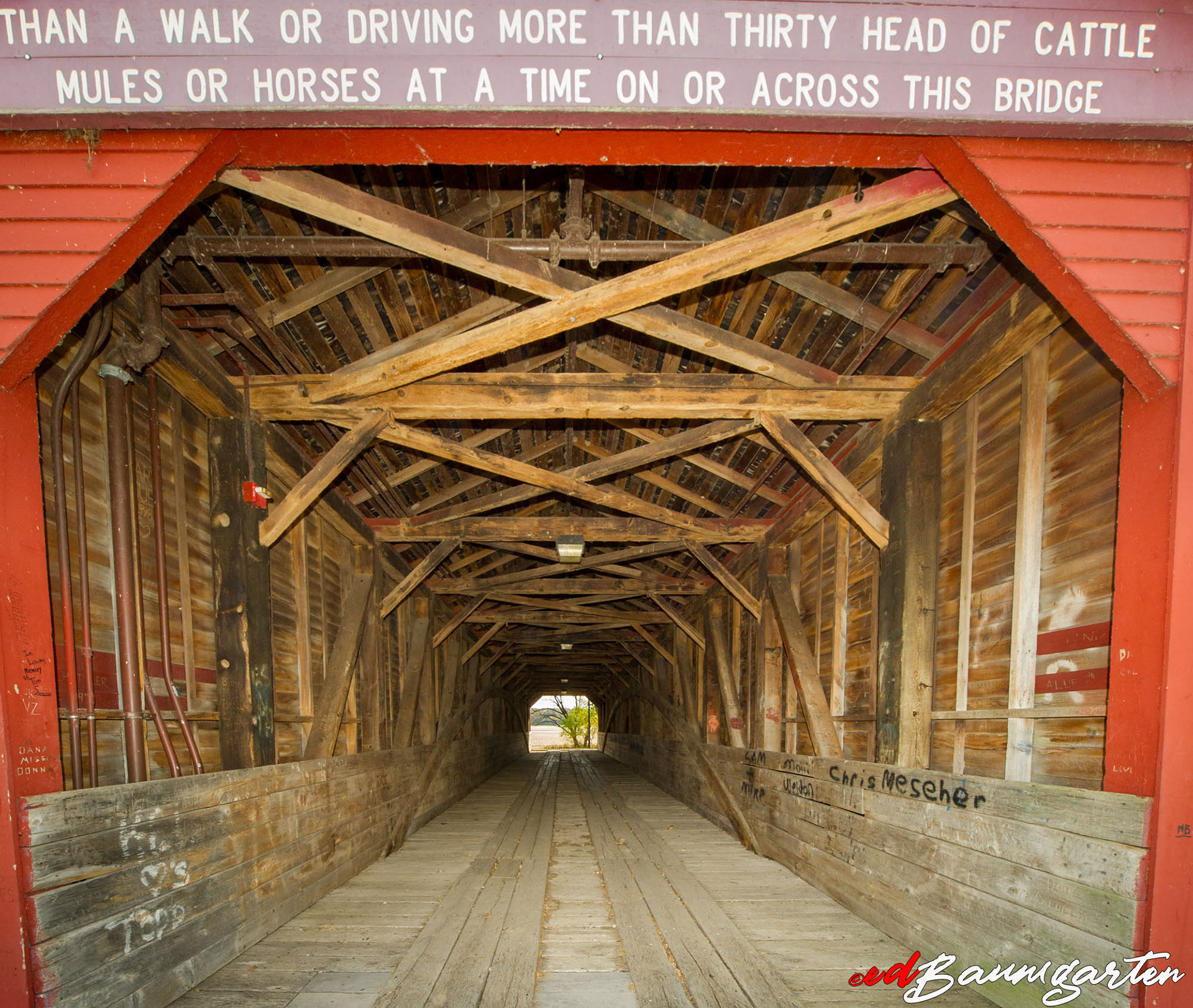

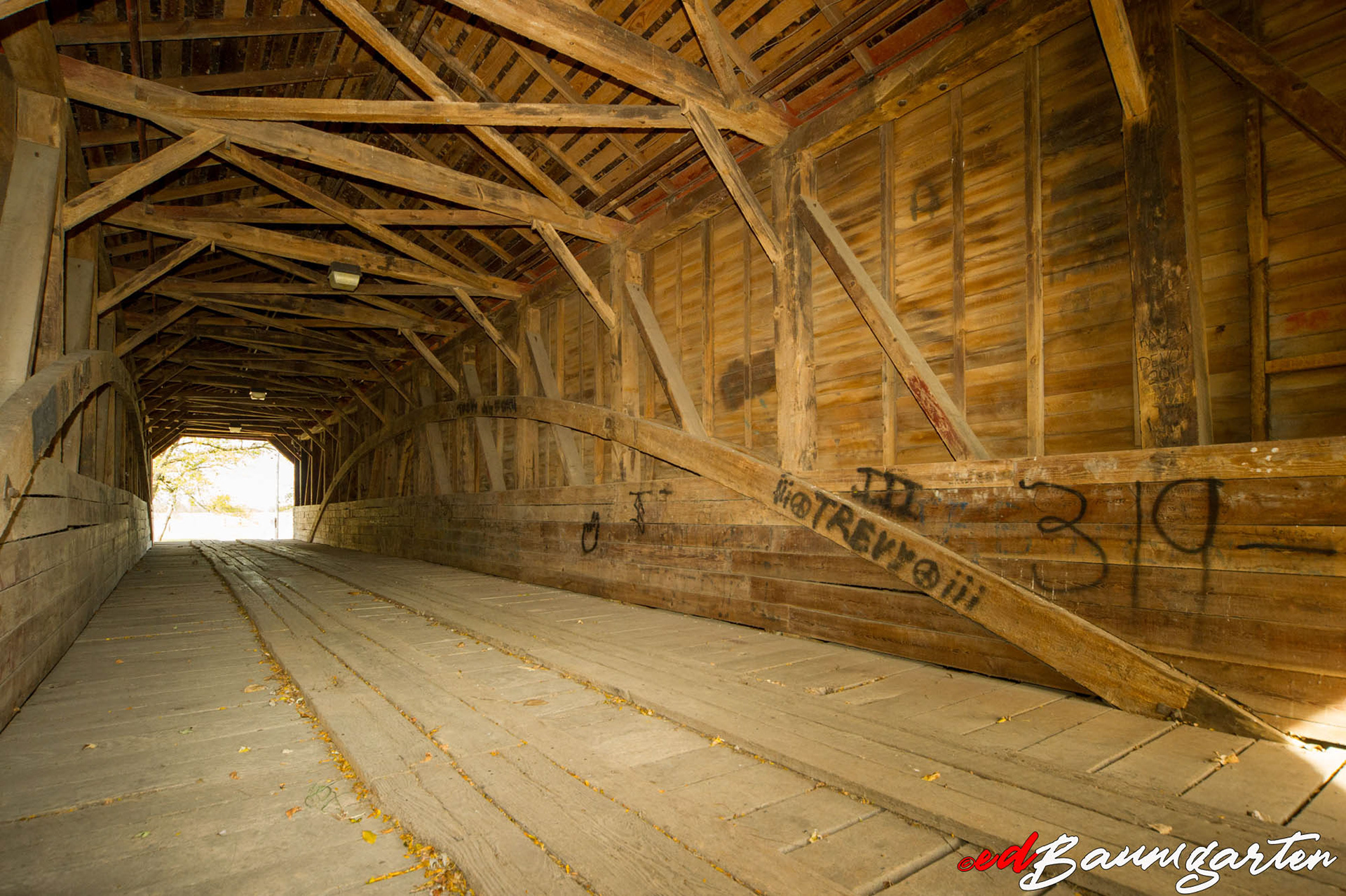
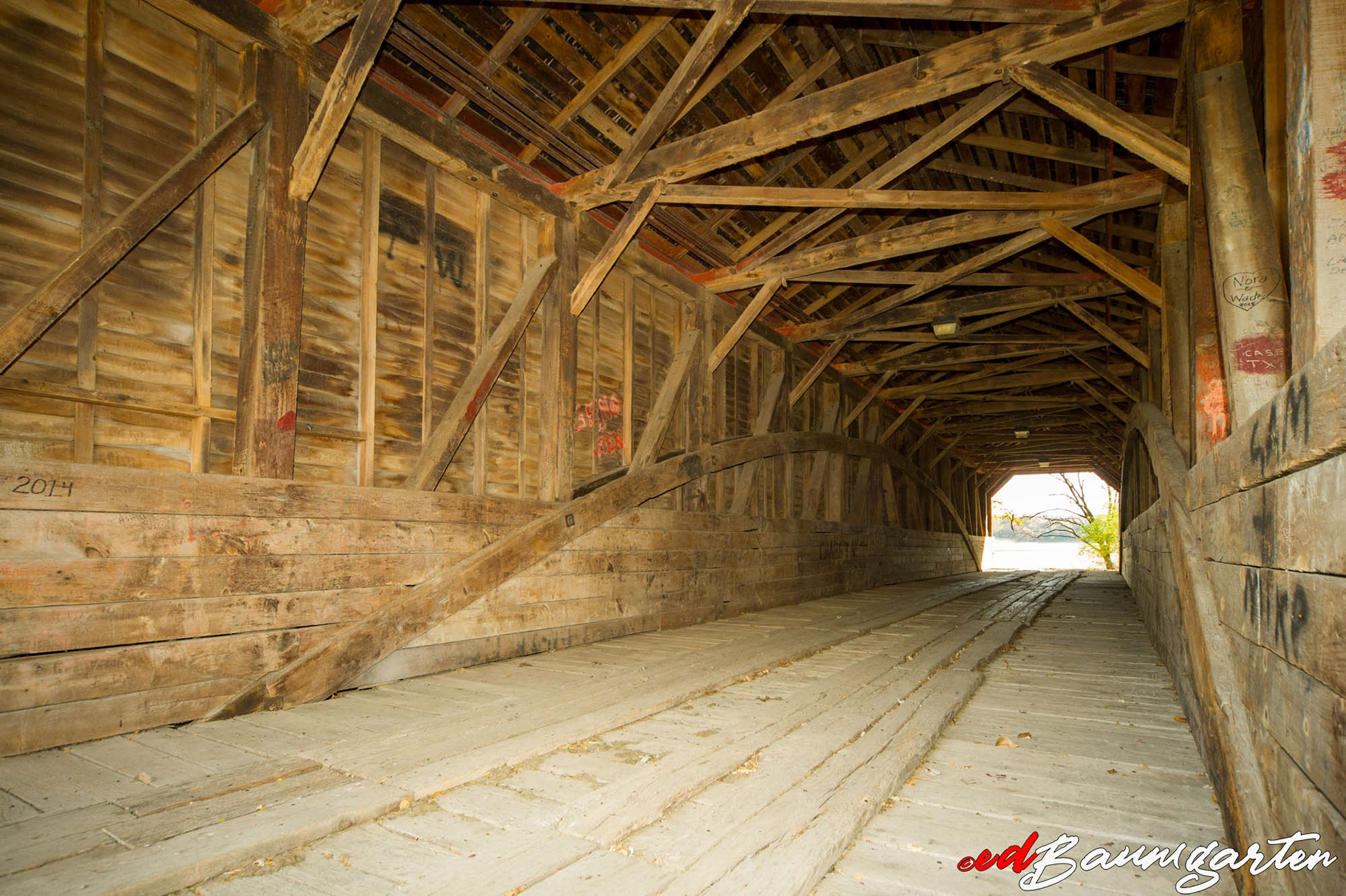
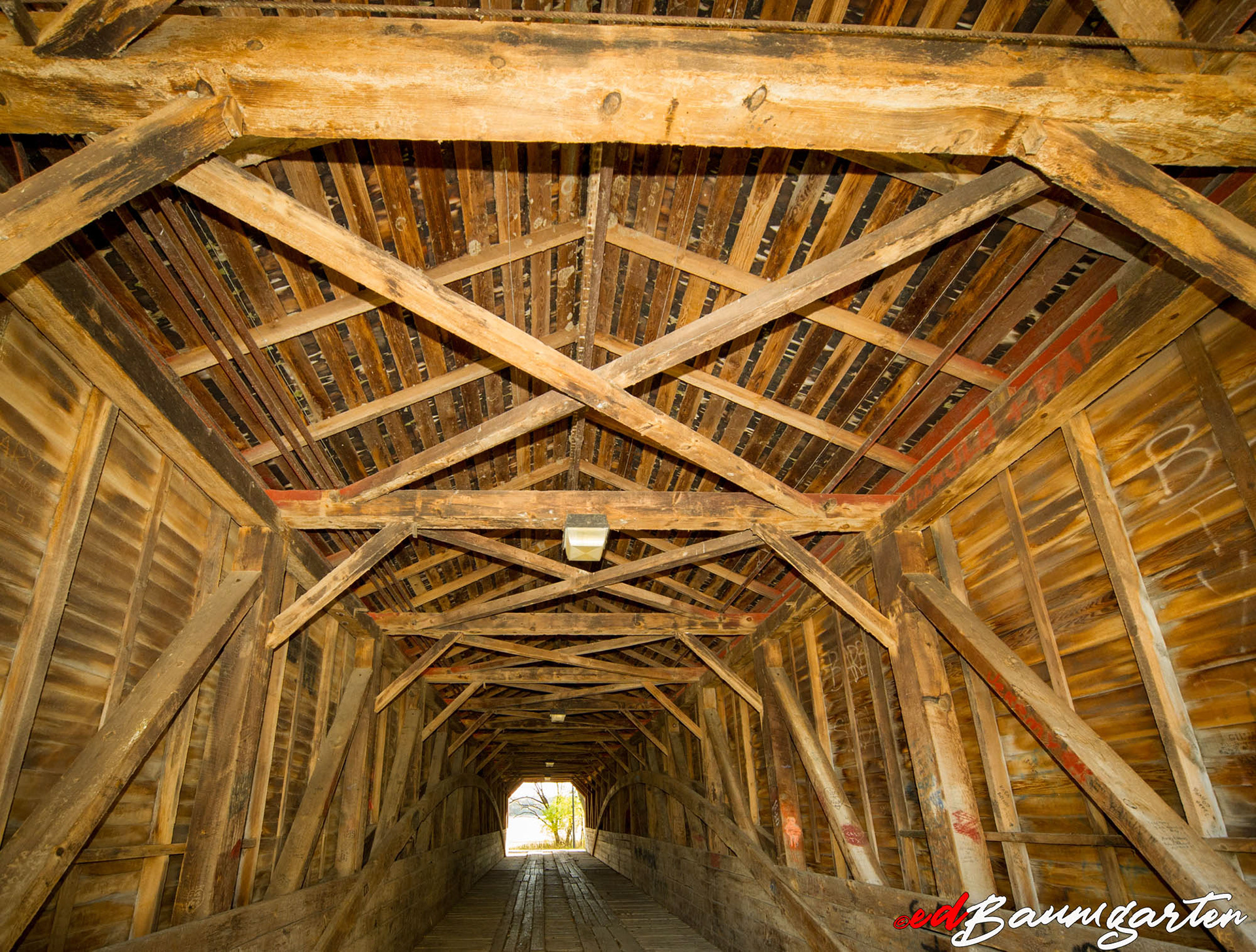
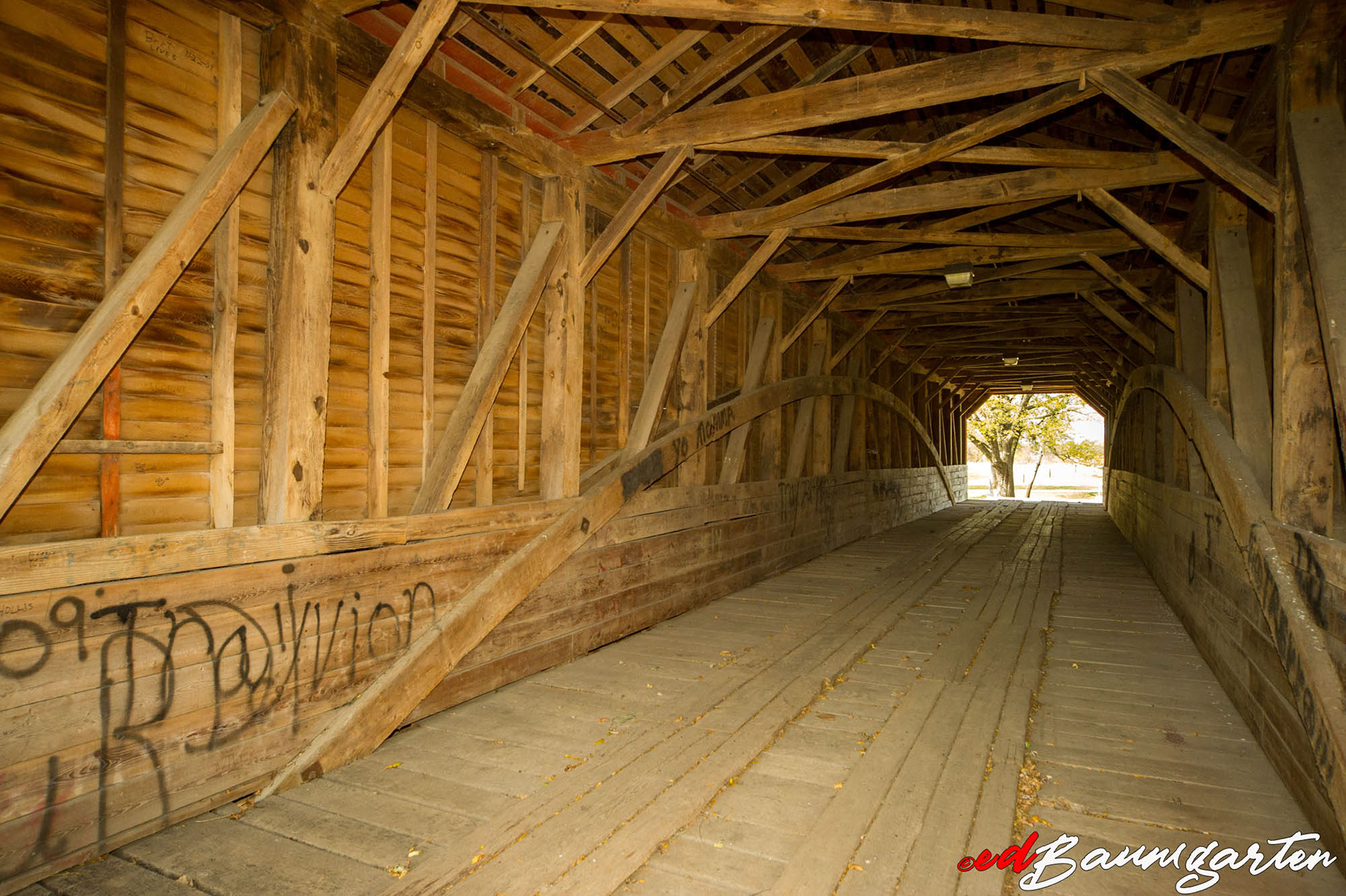
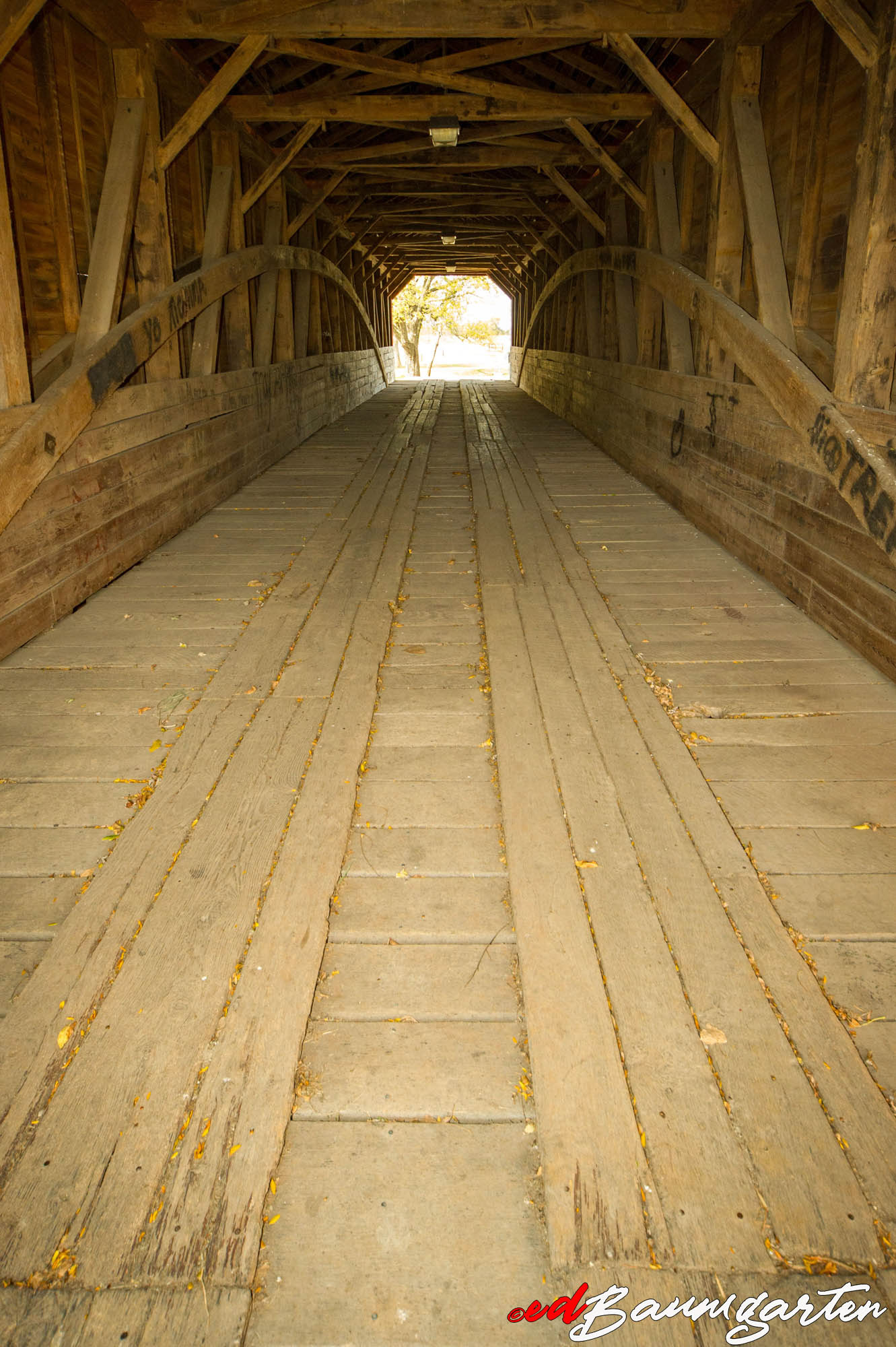
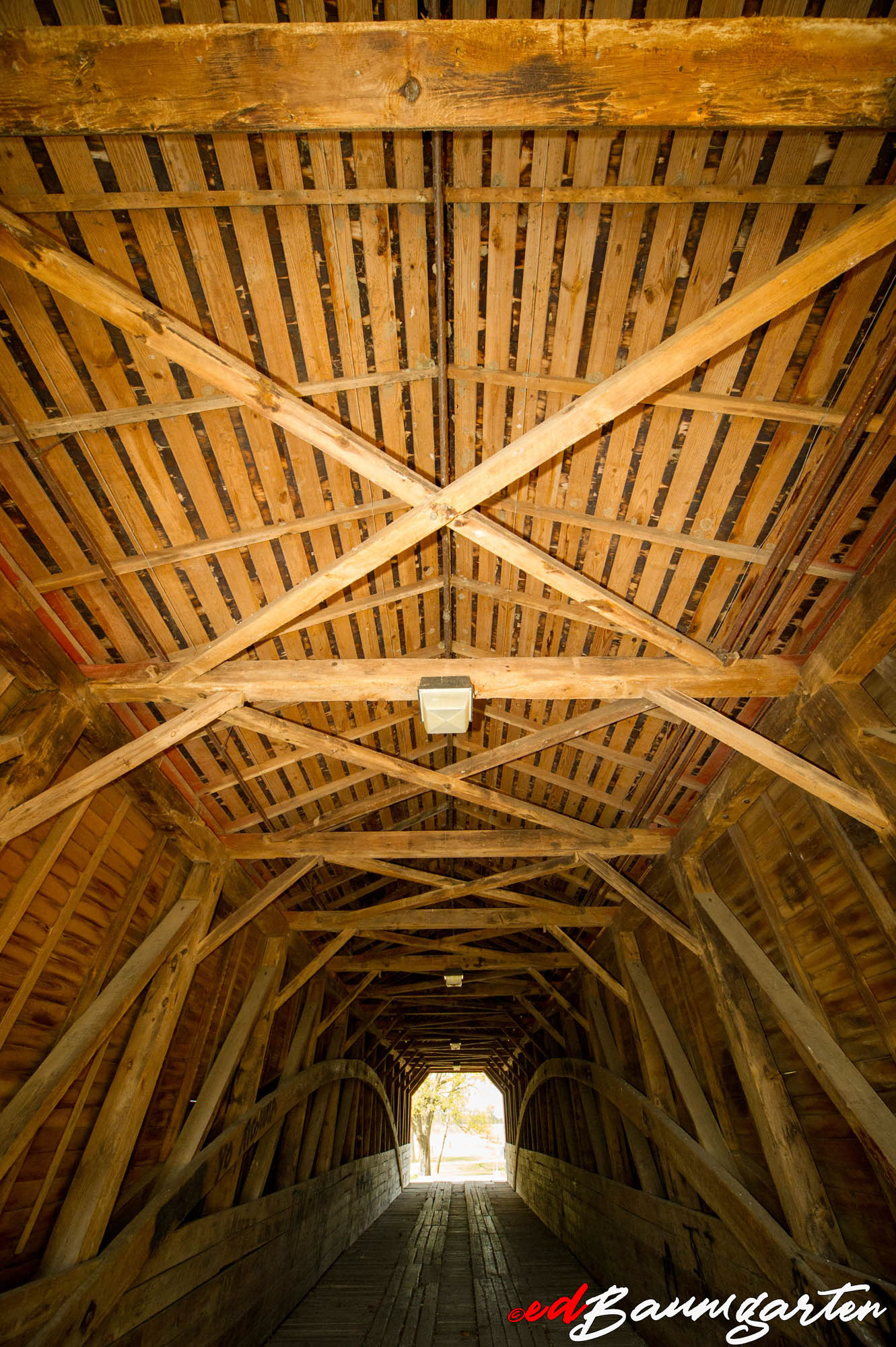
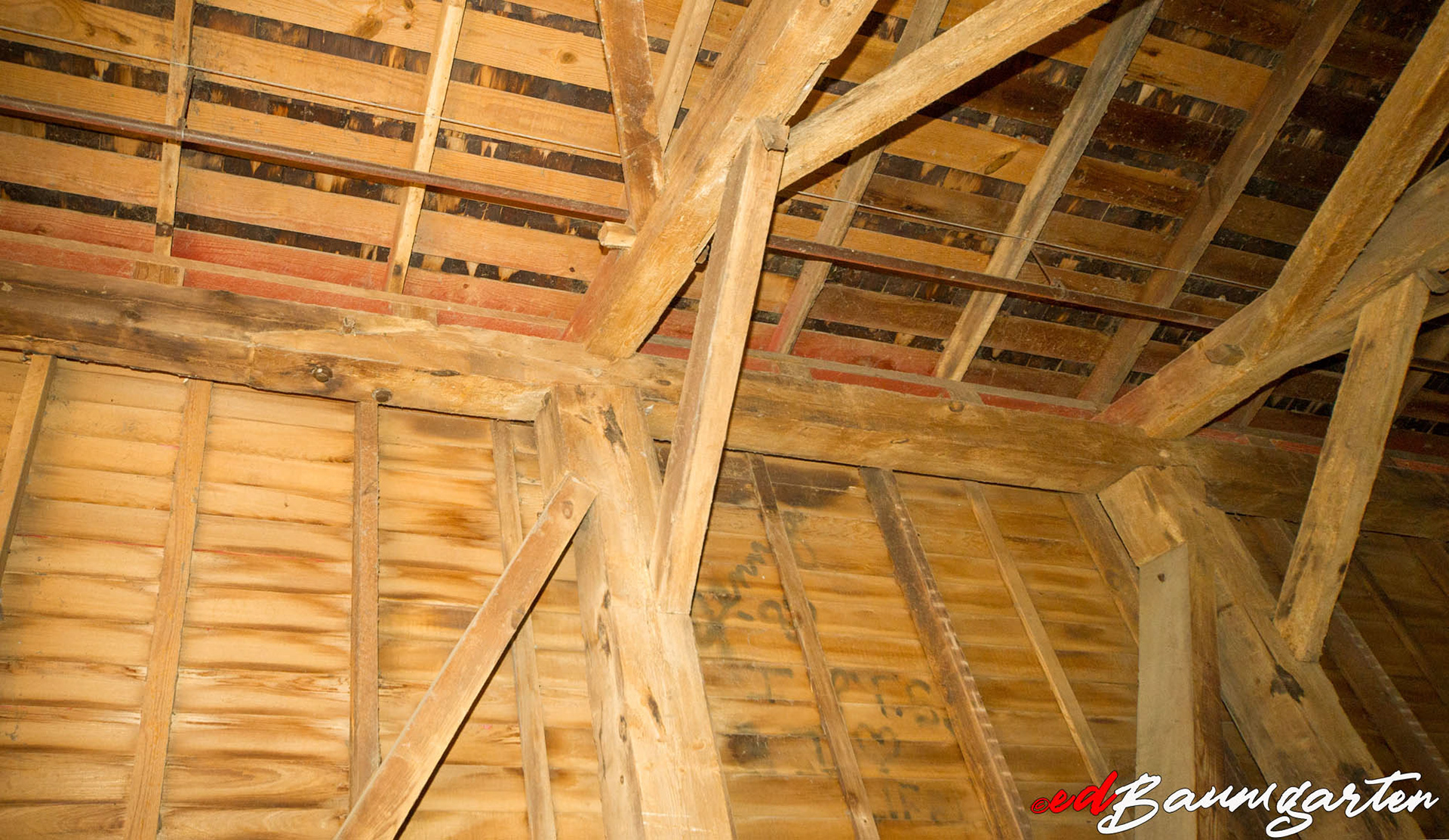
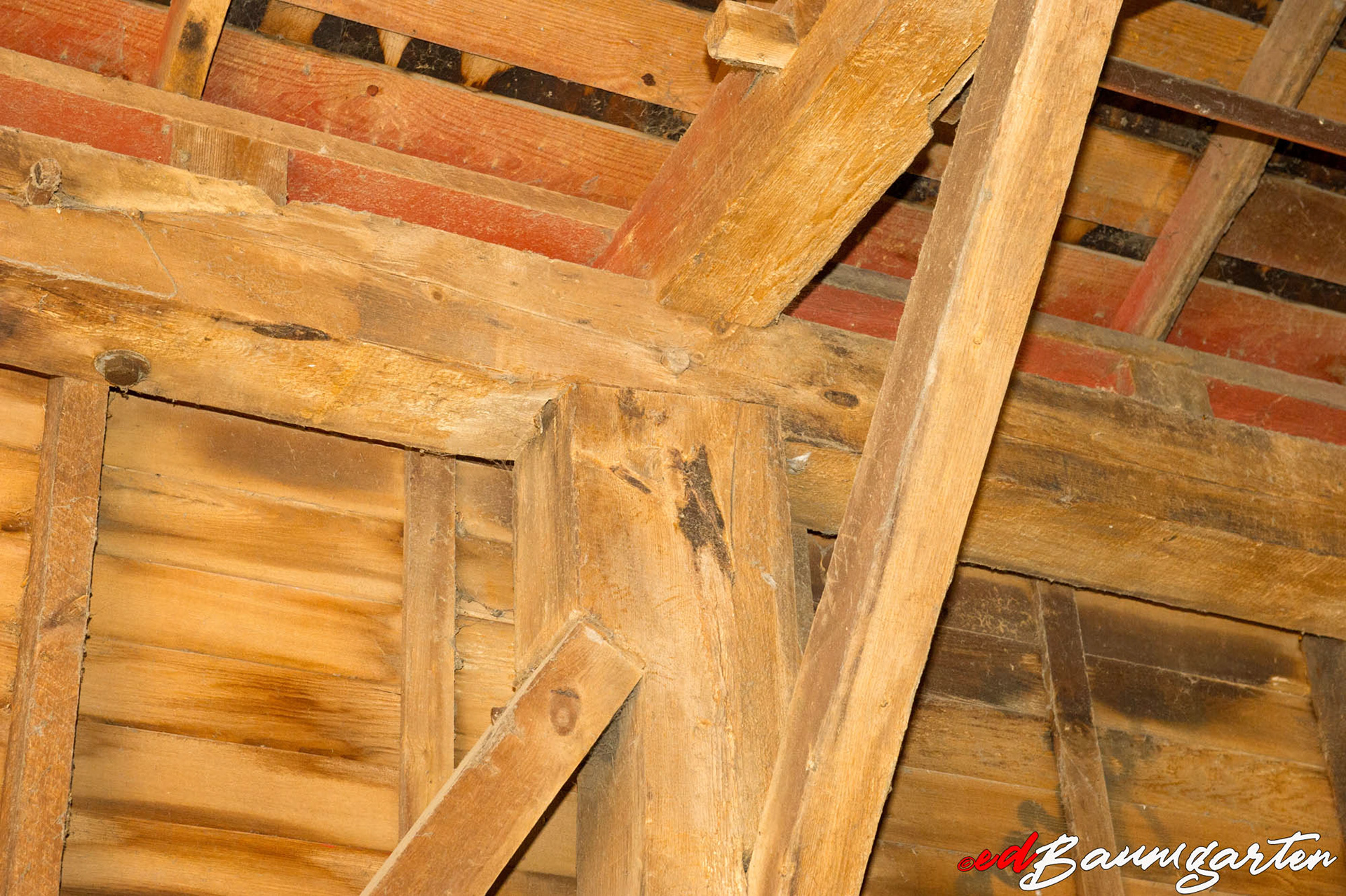
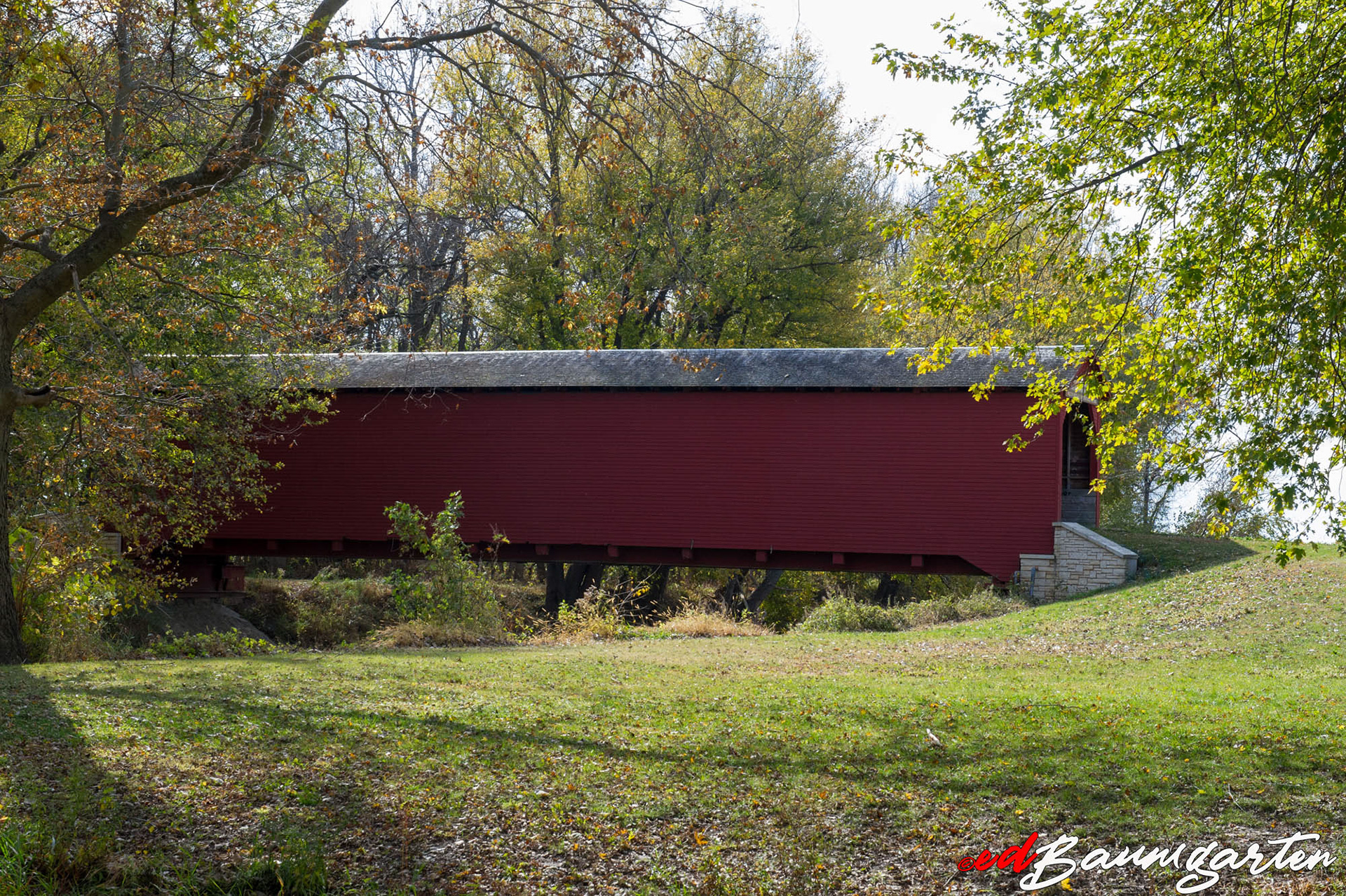
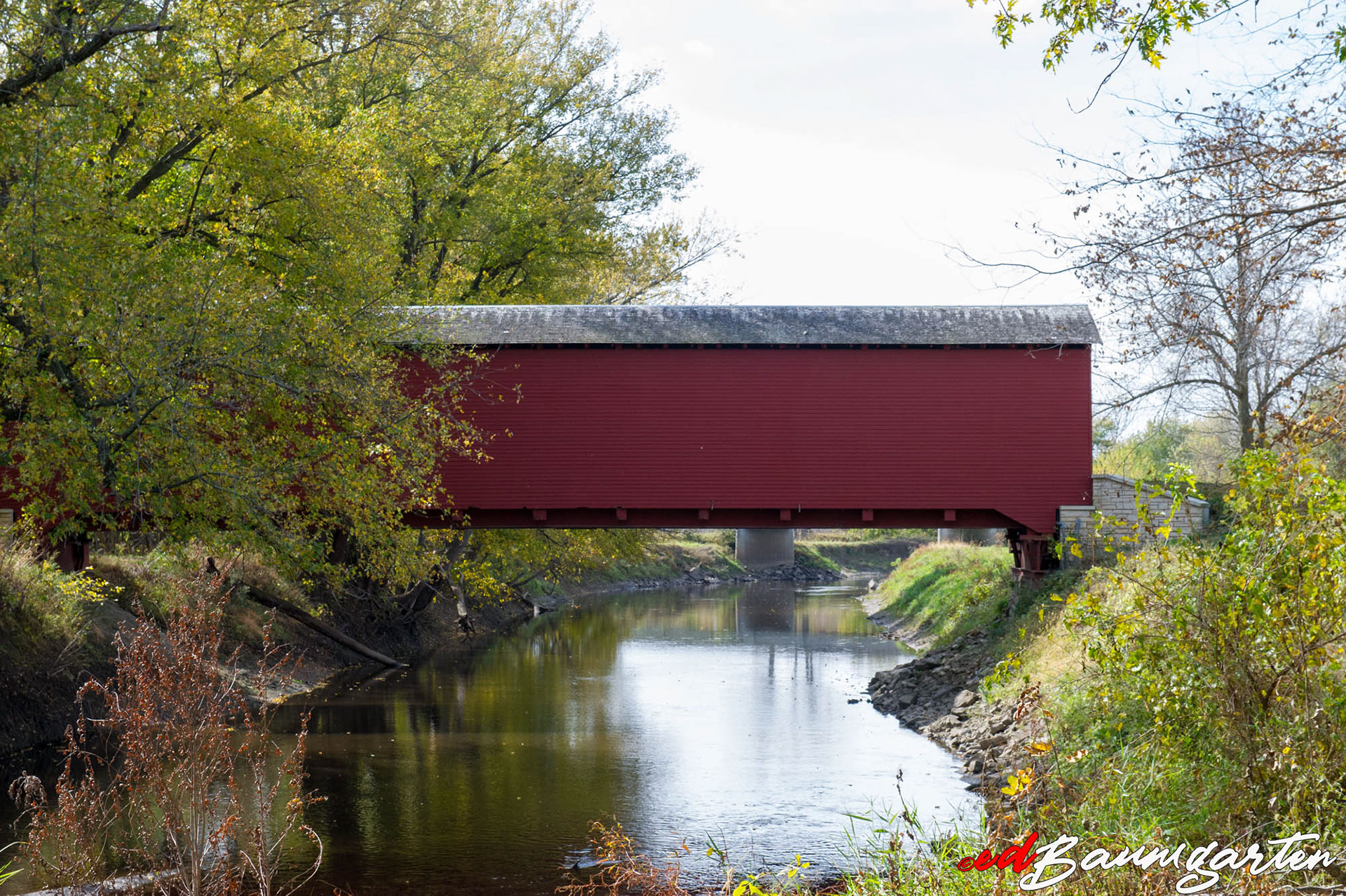
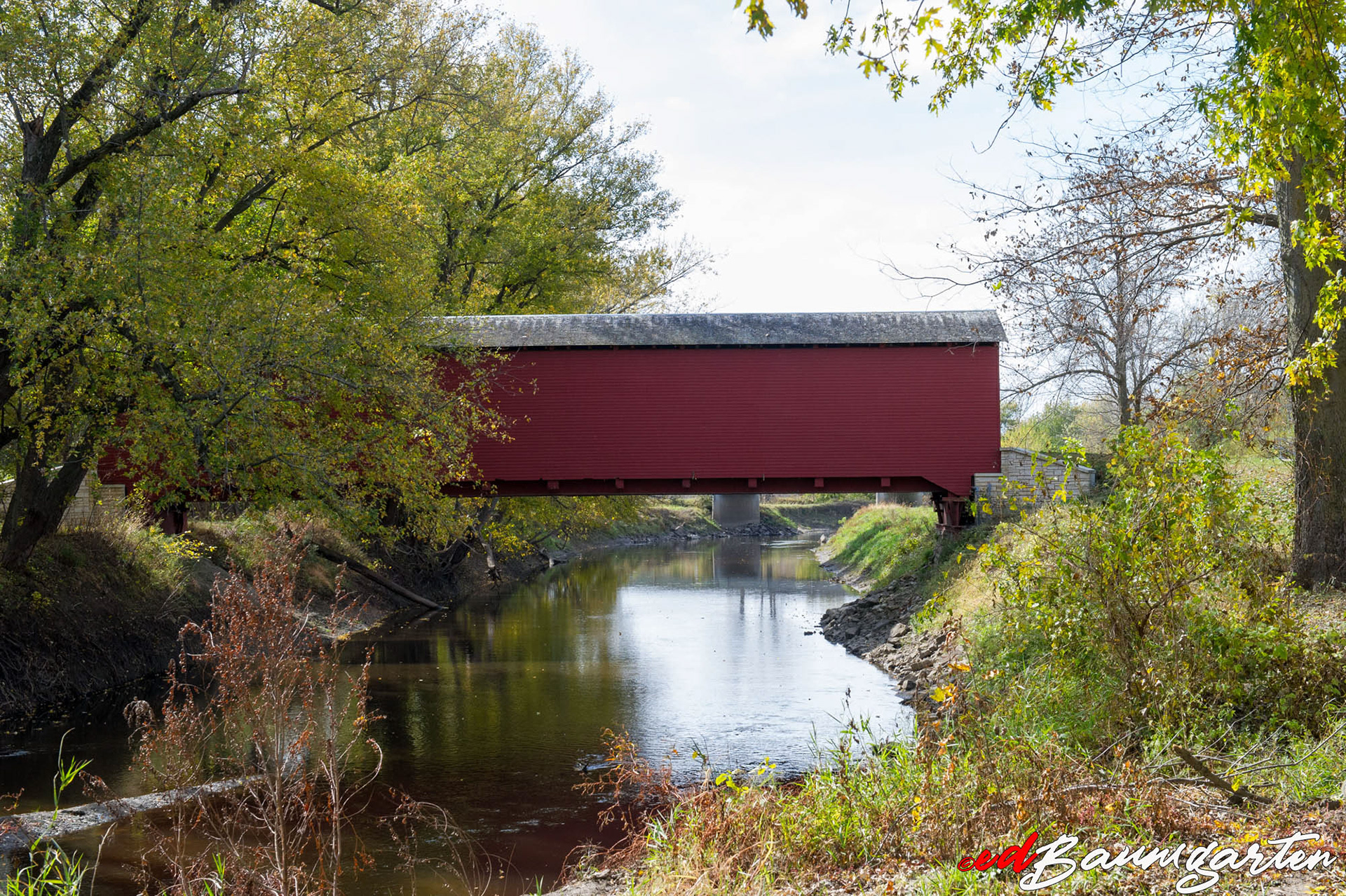
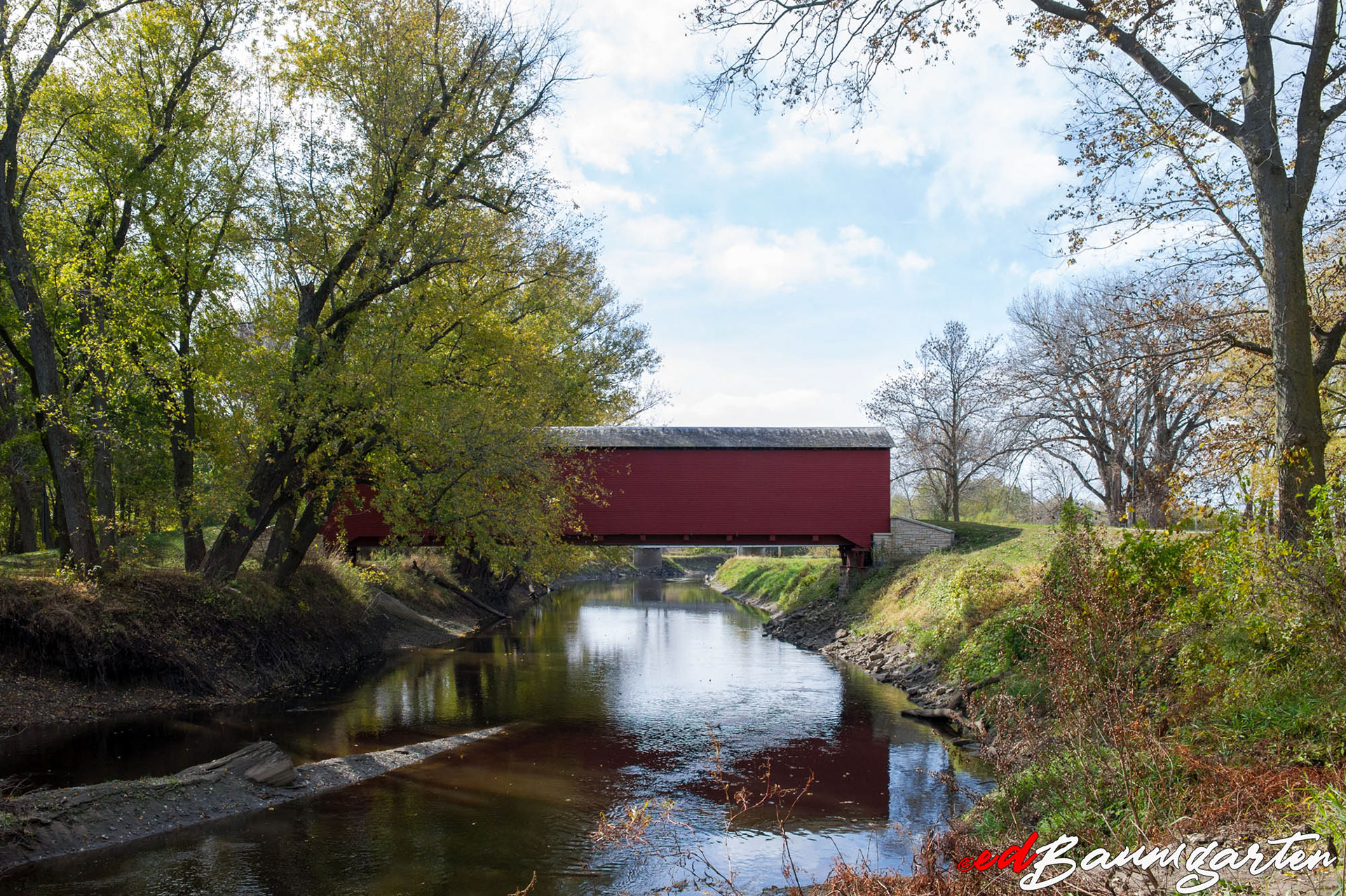
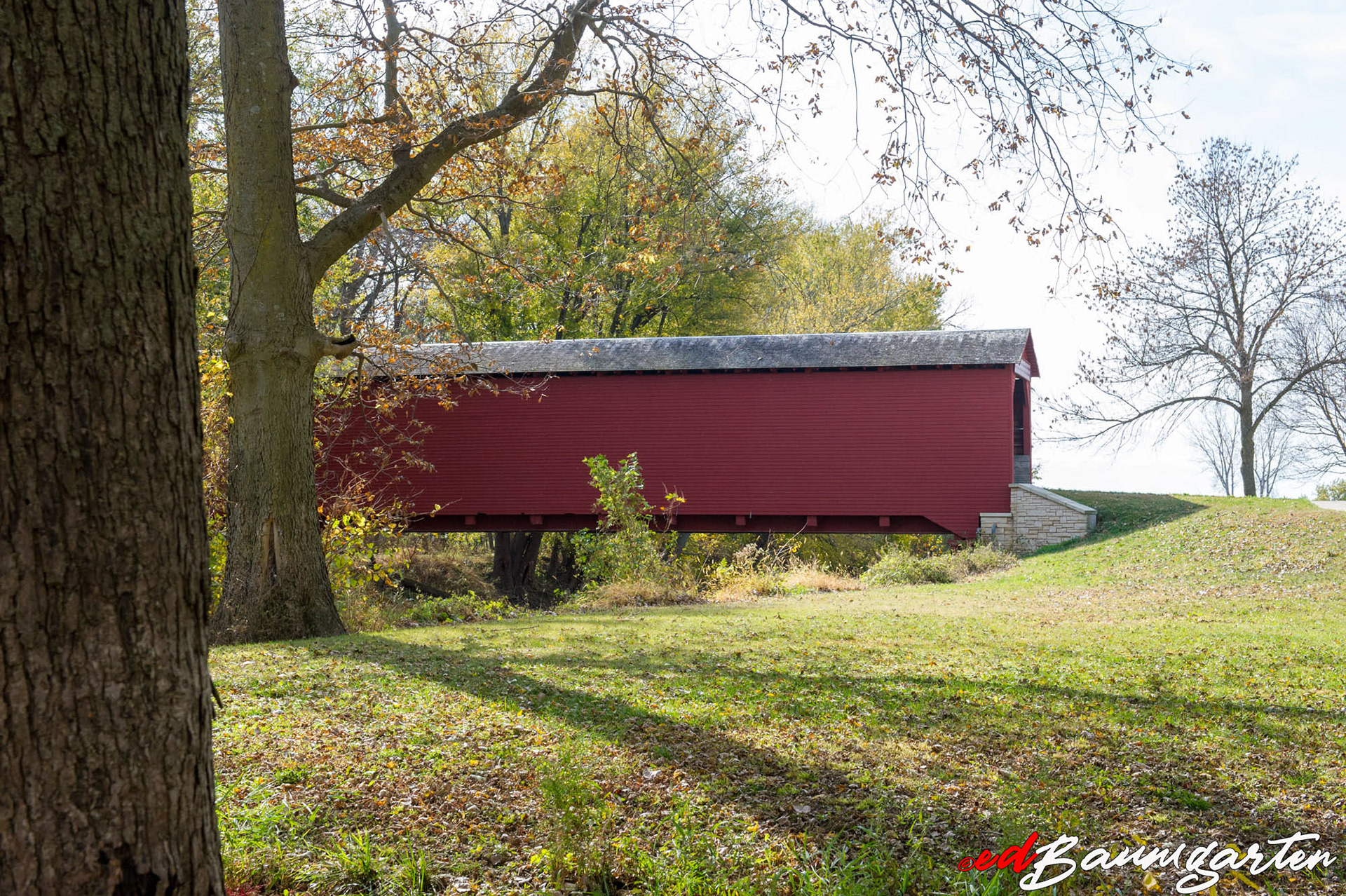
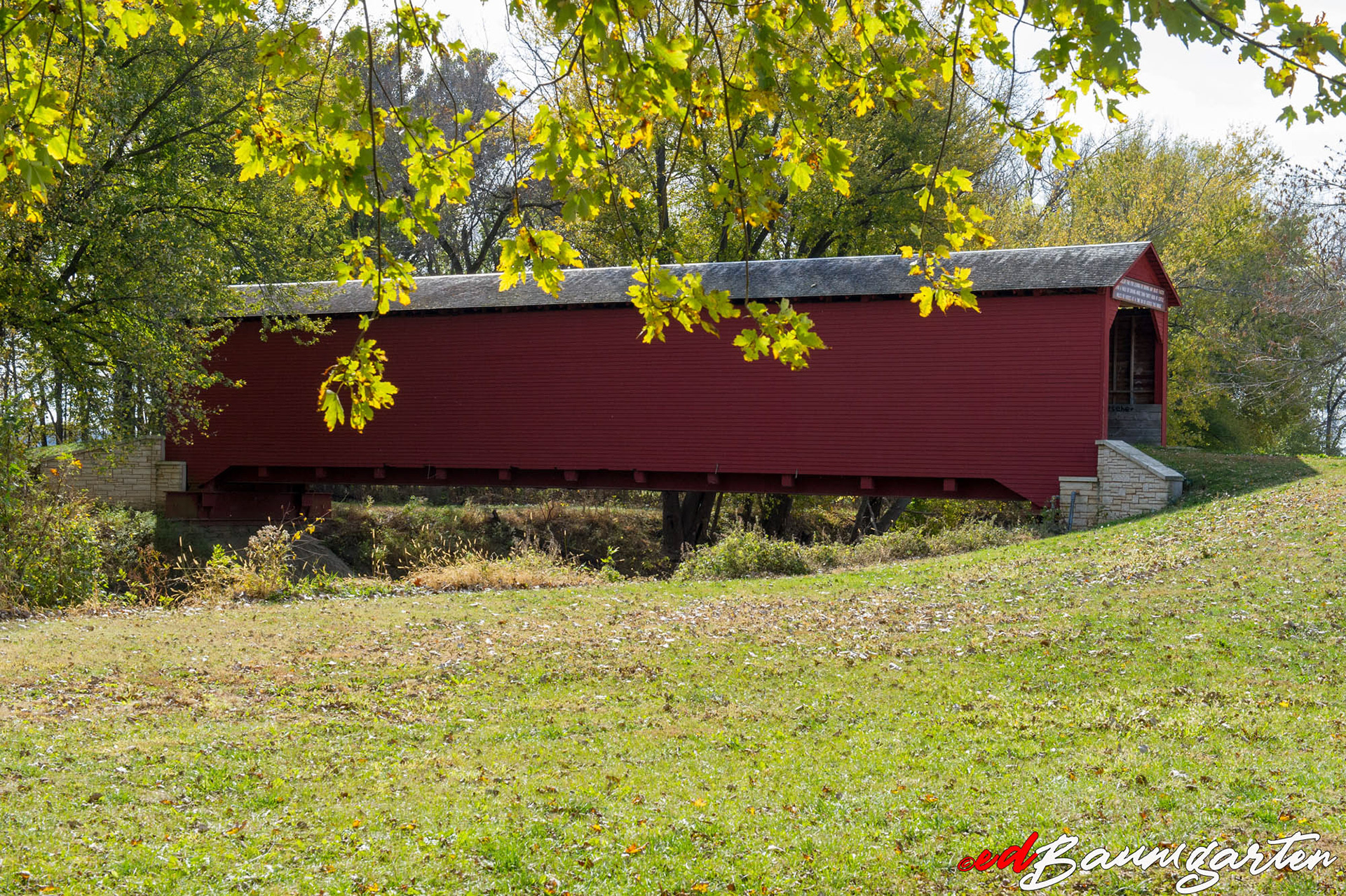
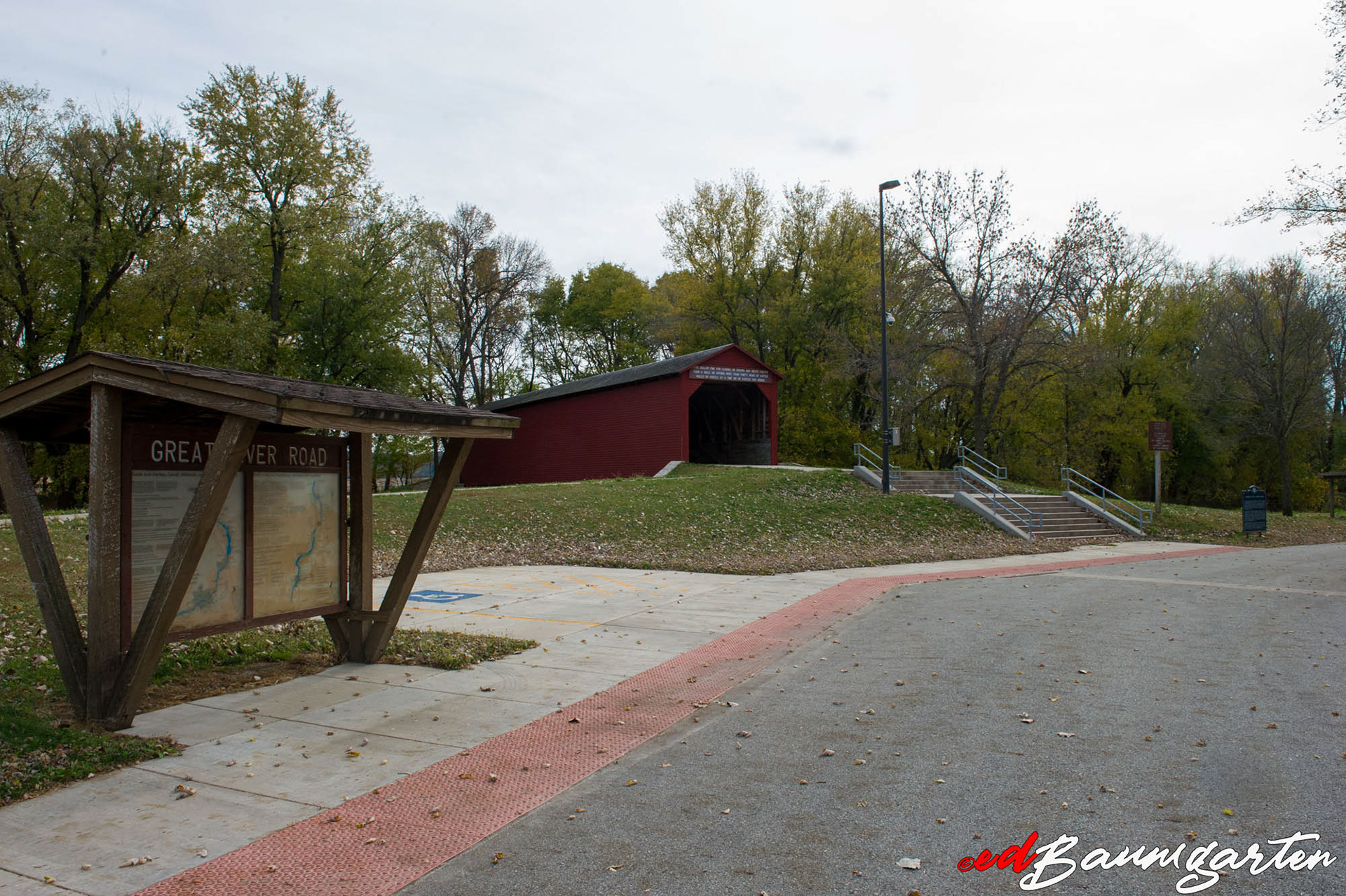
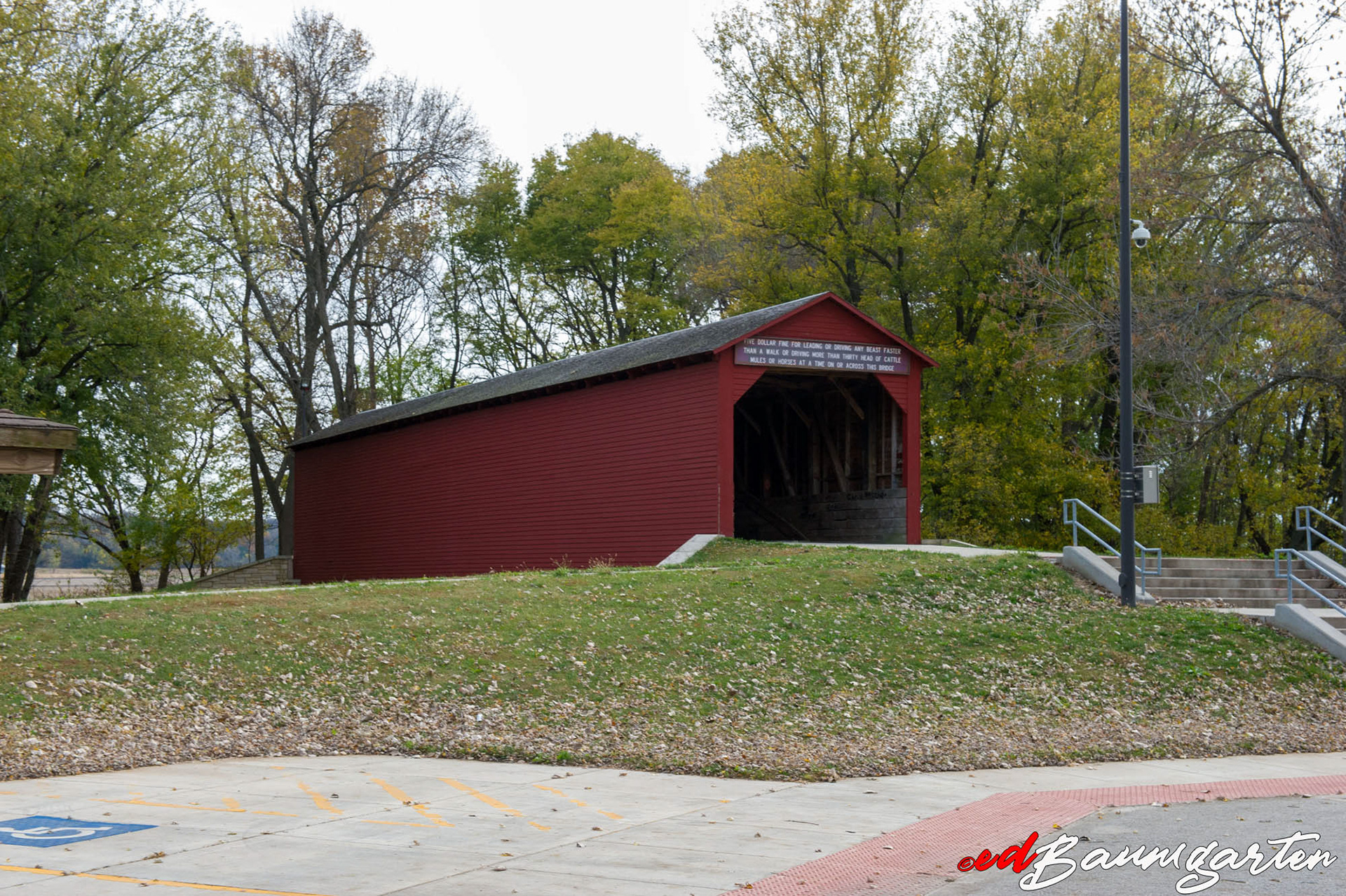
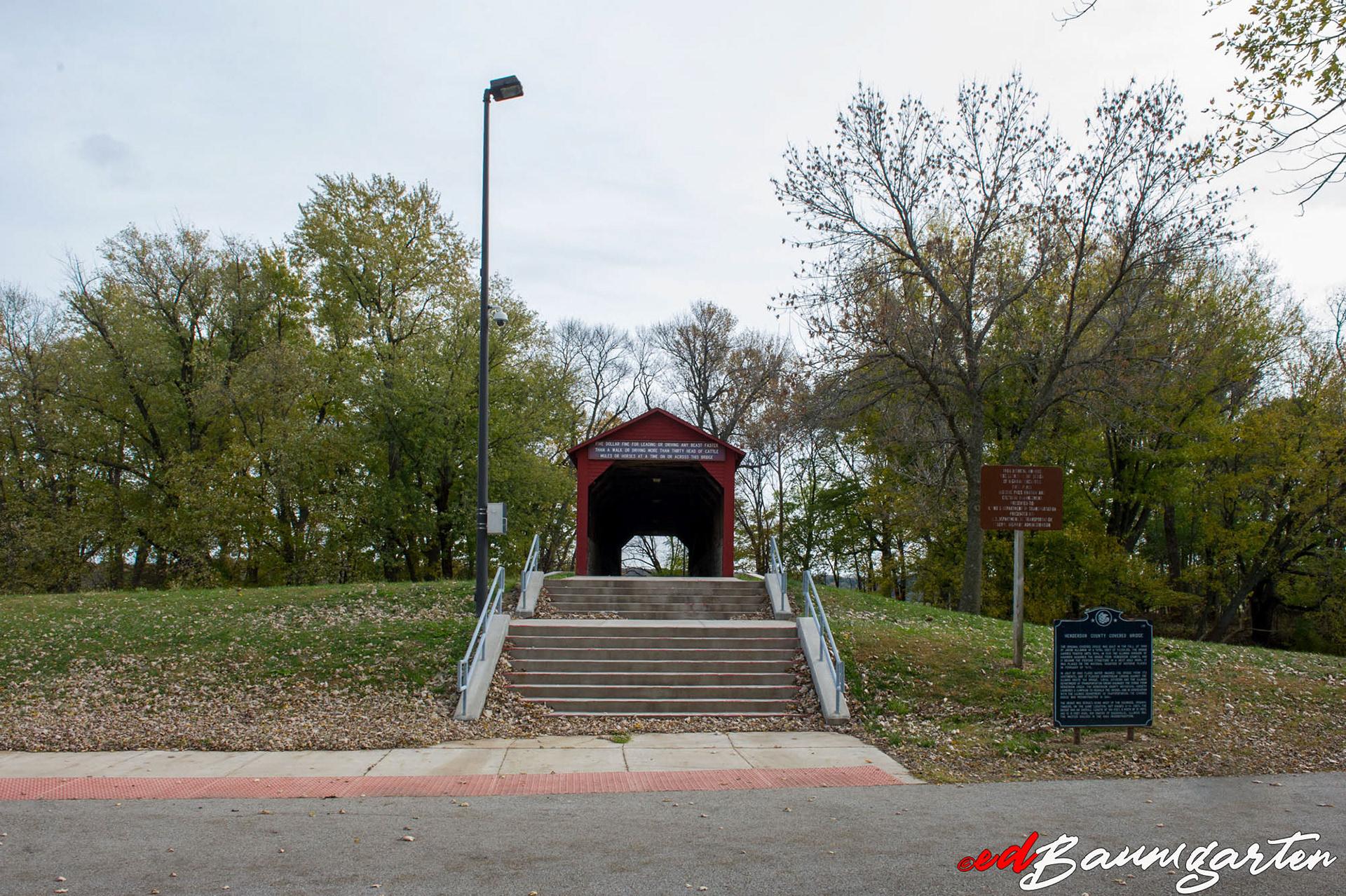
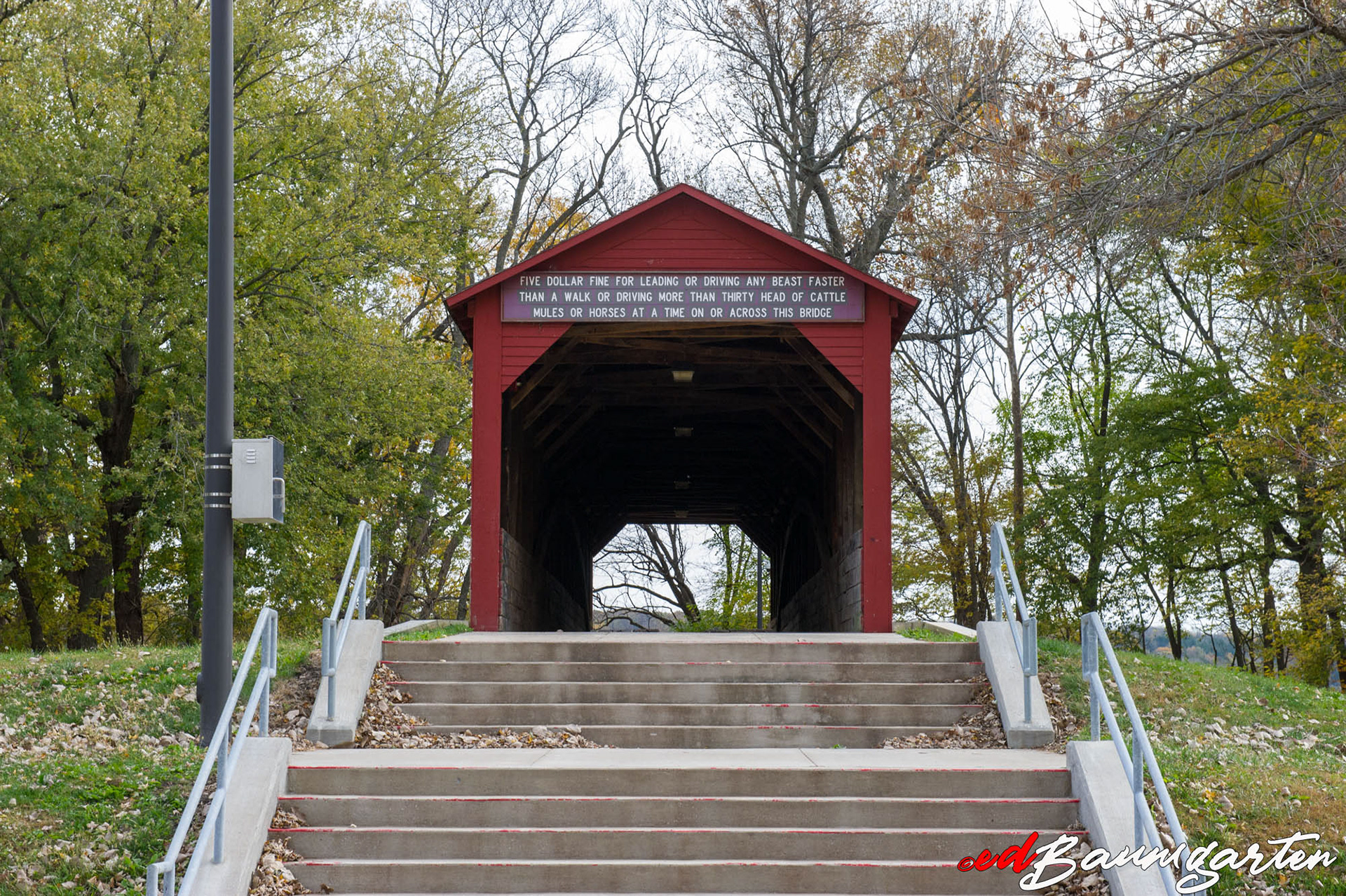
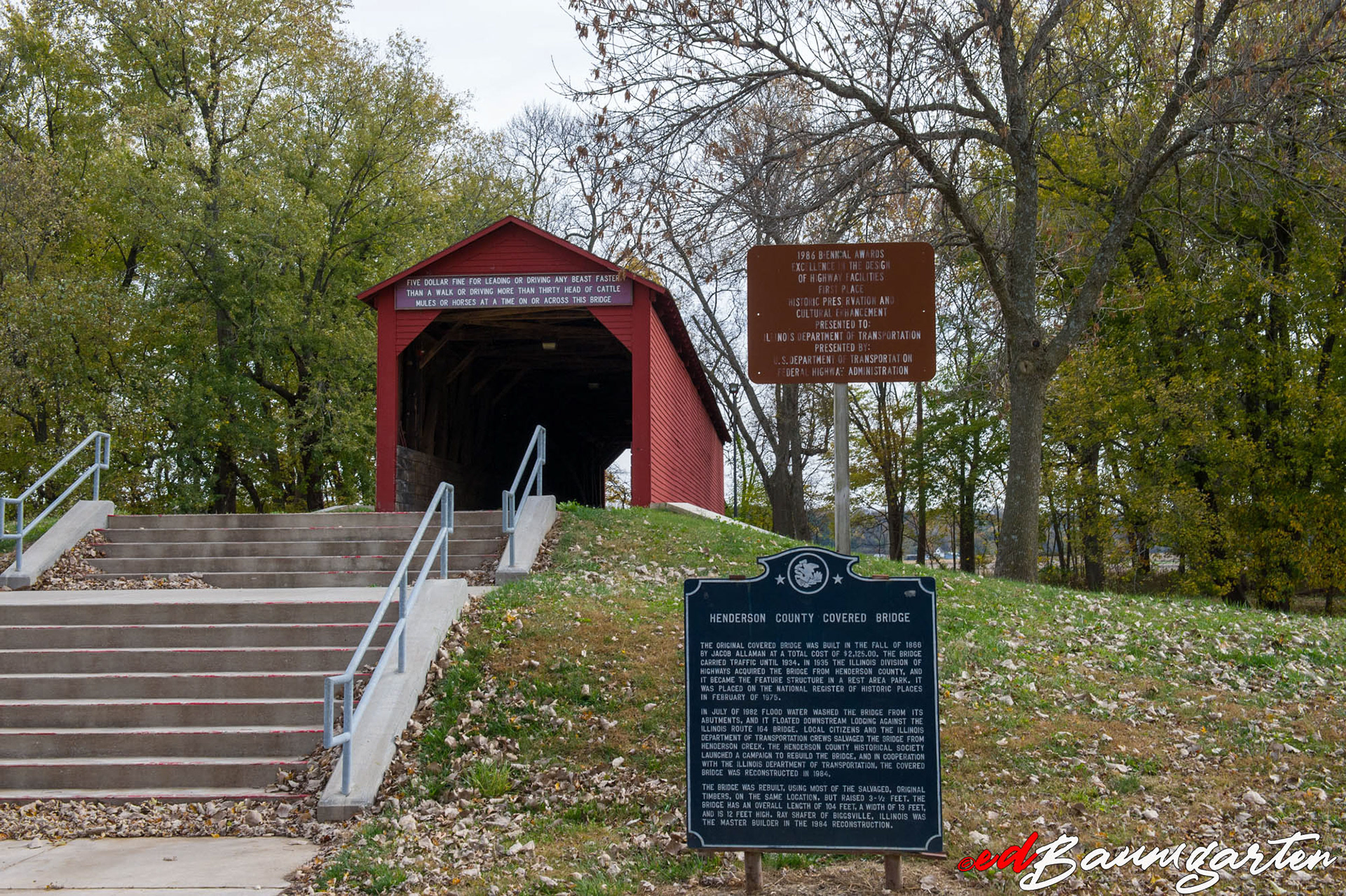
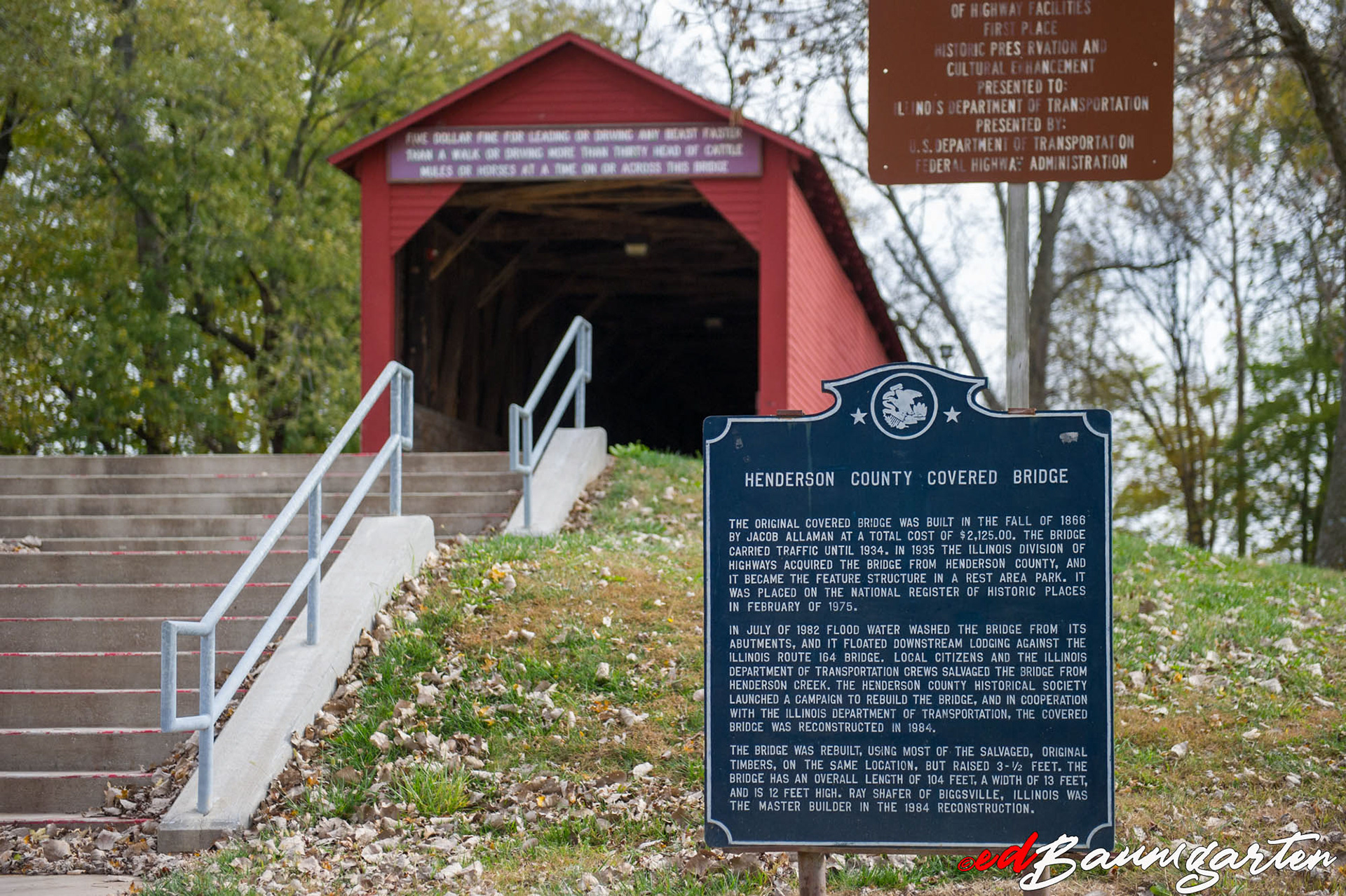
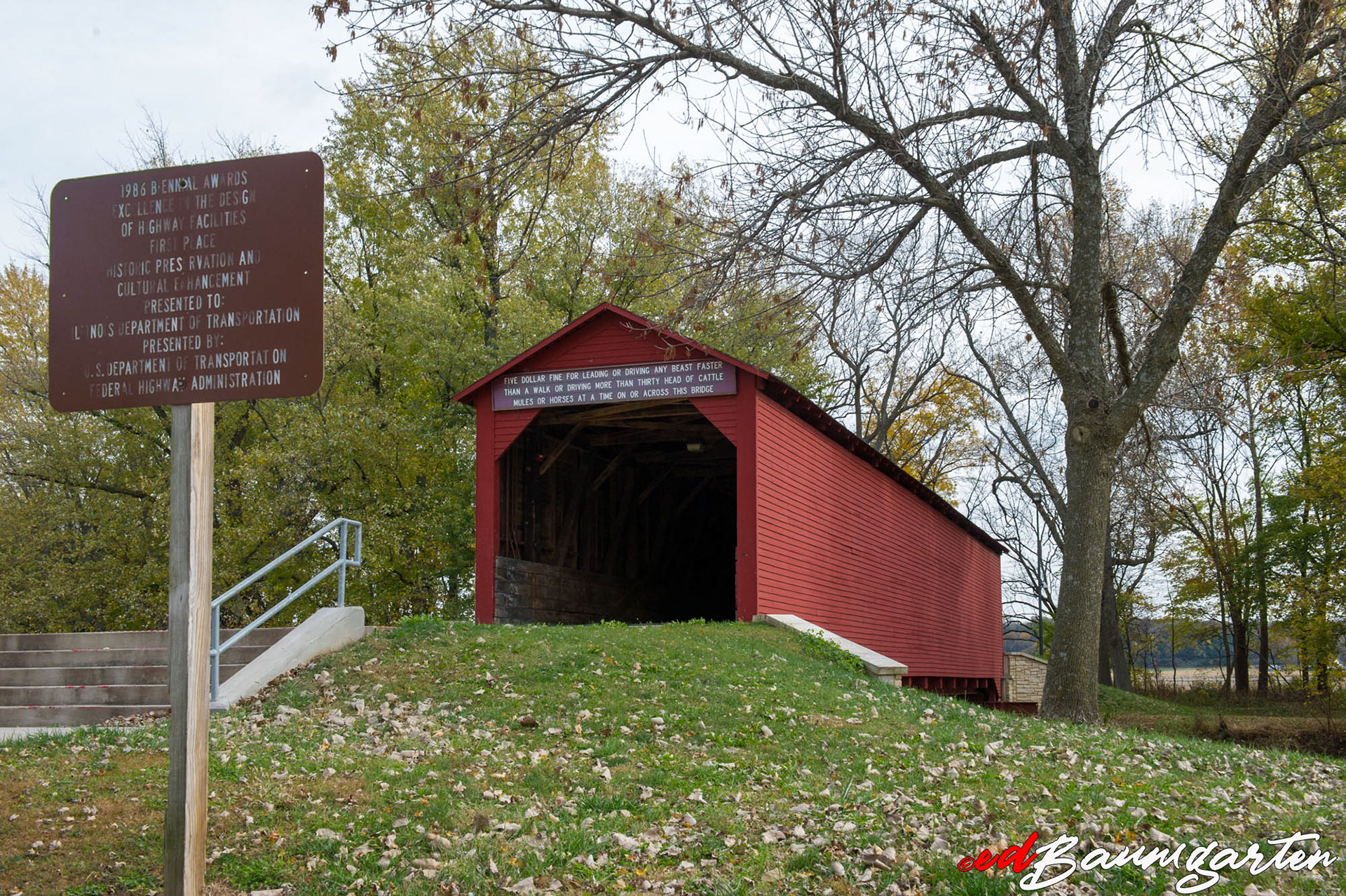
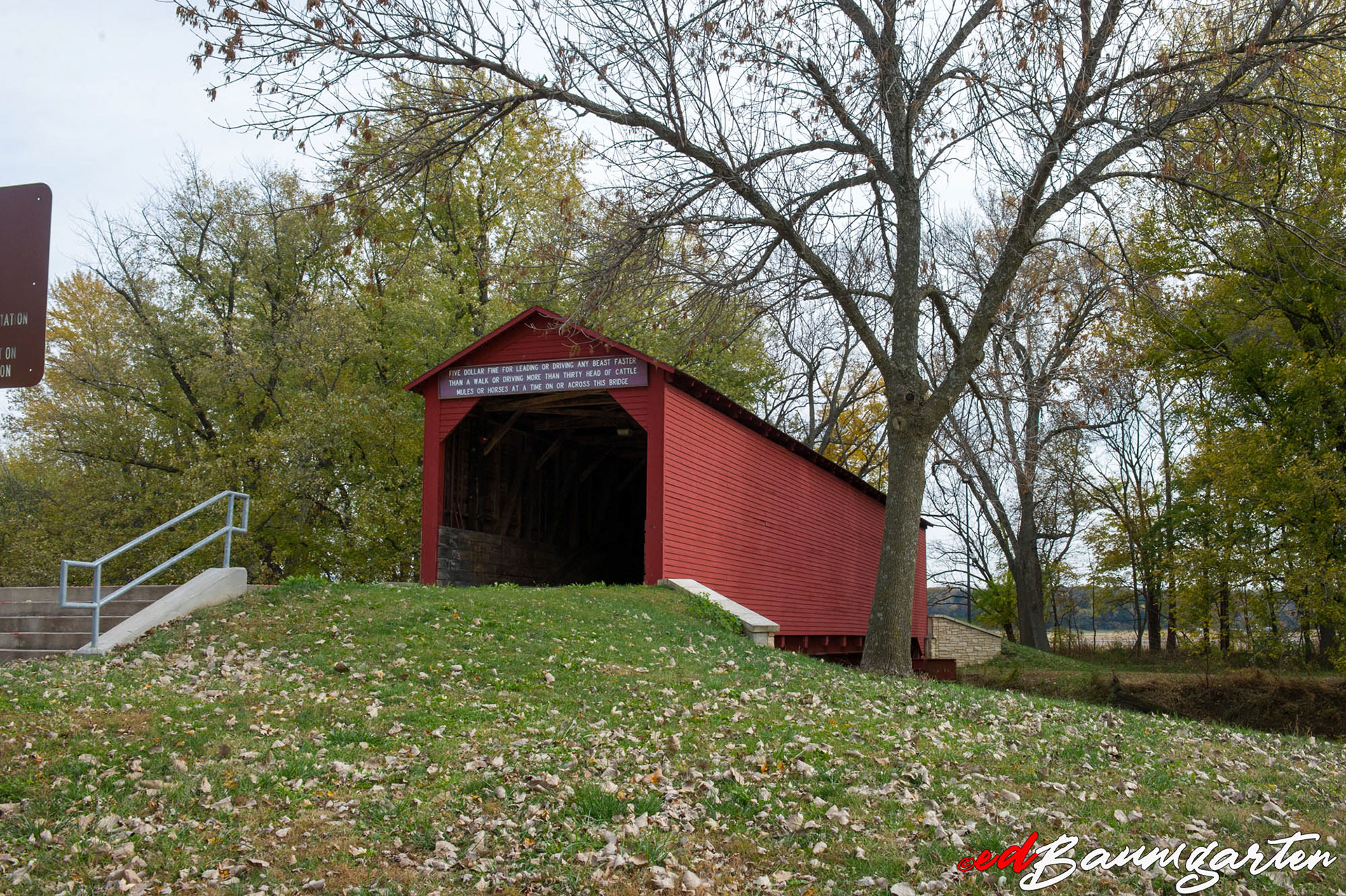
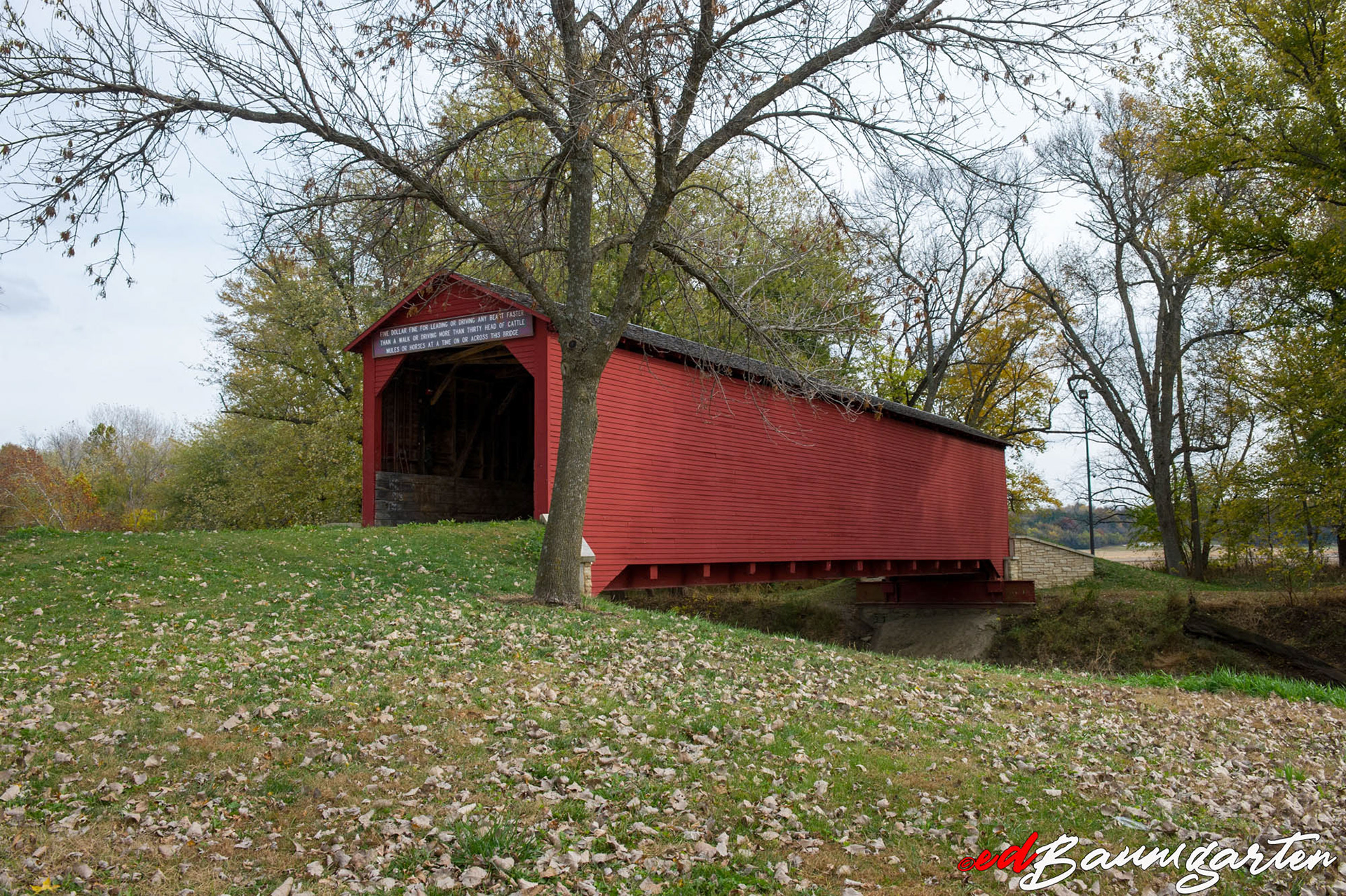
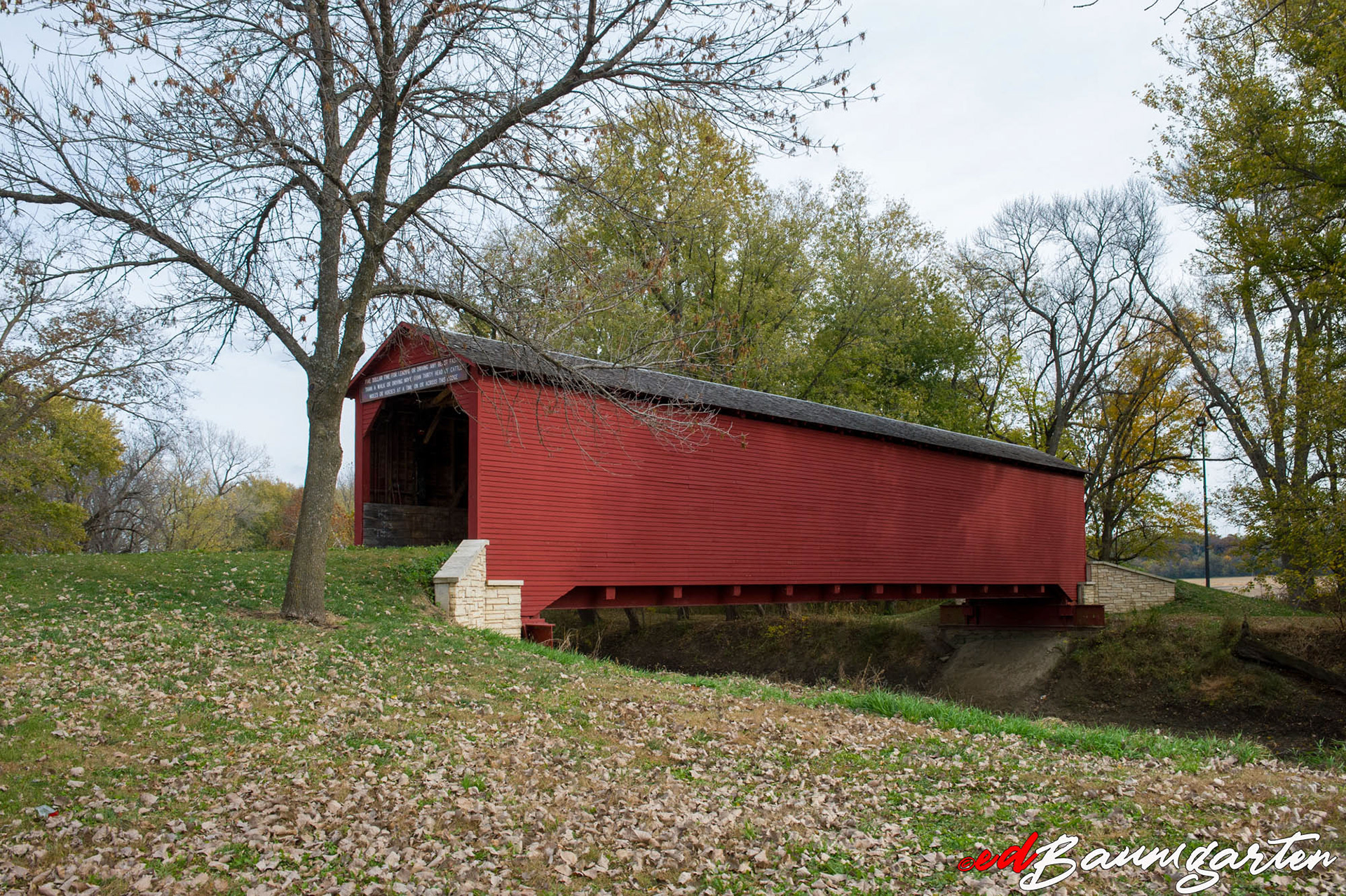
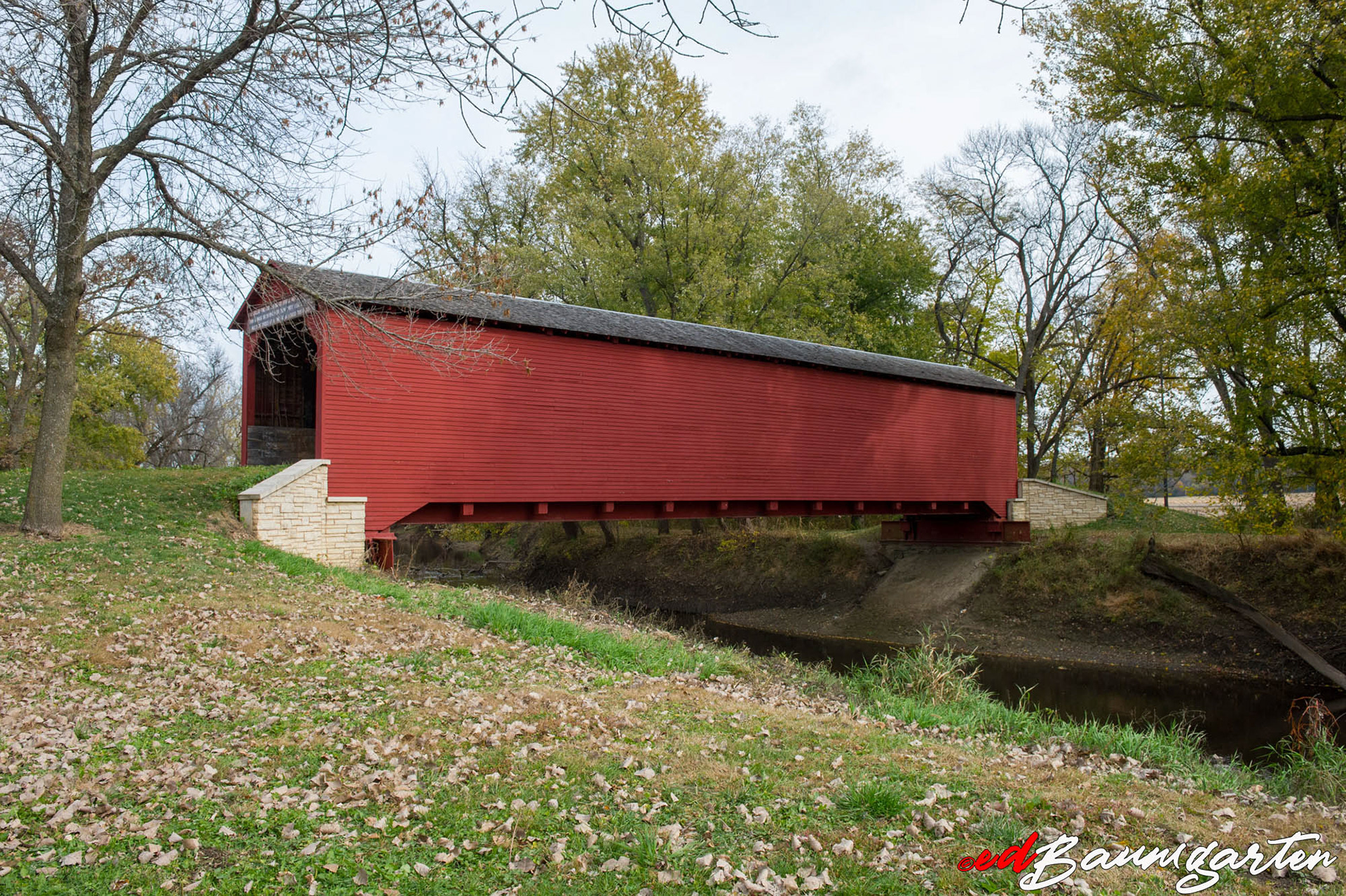
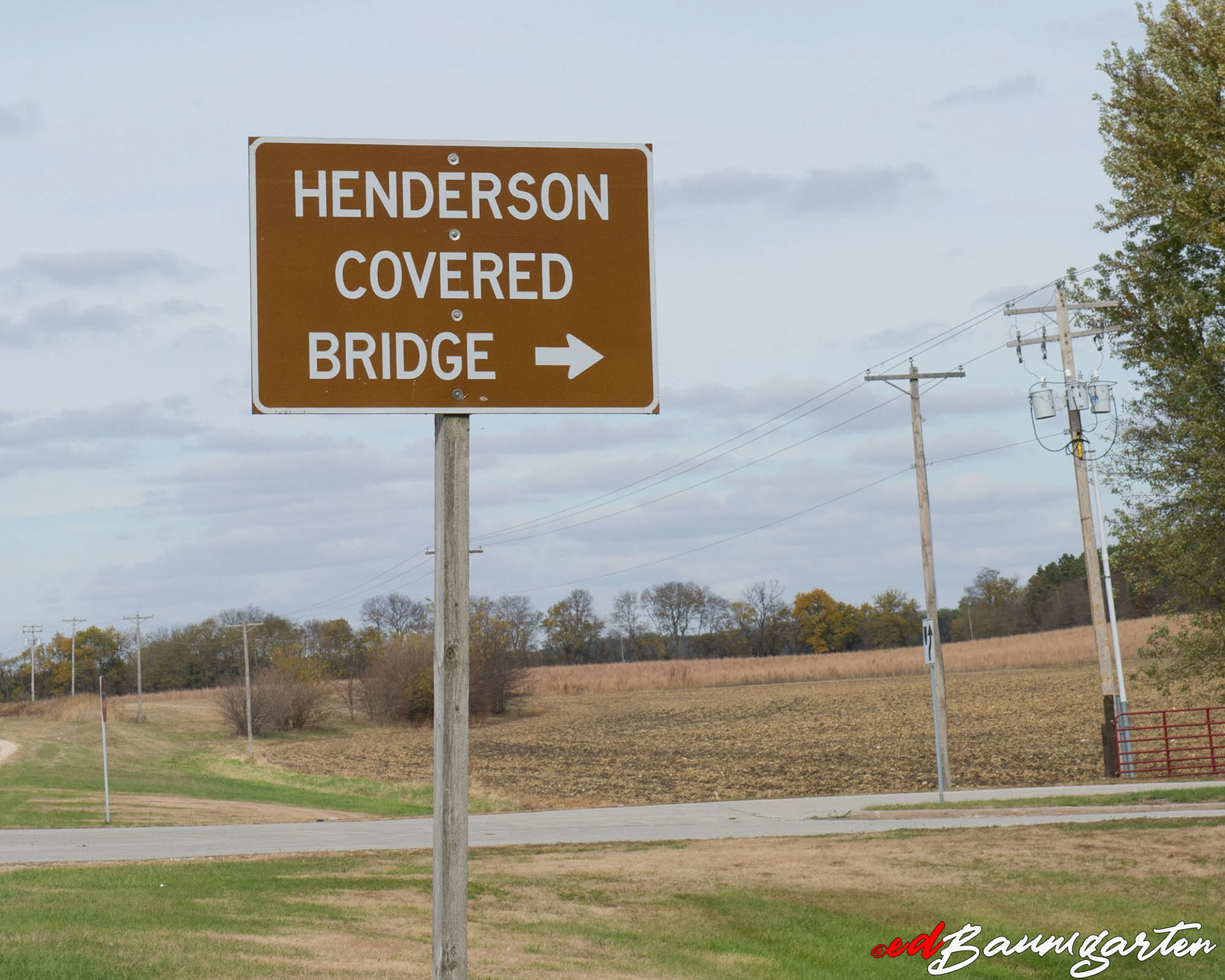
Floating Away and Finding Home: The Resilience of the Henderson County Covered Bridge If you travel down Illinois Route 164 in western Illinois, about two miles south of the Mississippi River town of Oquawka, you’ll find a quiet roadside park that harbors one of the most incredible survival stories in Midwestern history. Standing proudly over the waters of Henderson Creek is the Henderson County Covered Bridge. Also known locally as the Oquawka Wagon Bridge or the Allaman Bridge, this 104-foot timber structure has survived more than just the passing of time. It has survived natural disasters that would have spelled the end for almost any other landmark. The Pioneers and the Master Builder The story of the bridge begins just after the Civil War, in the fall of 1866. A local craftsman named Jacob Allaman, alongside his partner Frisby Sloan, was hired by the county to construct a reliable crossing over Henderson Creek to replace an earlier, deteriorating structure. The final price tag for the wooden superstructure was exactly $2,125. Allaman built the bridge using a Howe Truss design, which was cutting-edge for the 1860s. By incorporating iron vertical tie-rods alongside massive native oak and pine timbers, the bridge was incredibly strong. To make it even more durable, a subtle segmental arch was bolted to the interior sides. For nearly 70 years, the bridge was the lifeblood of the local farming community, carrying heavy horse-drawn wagons, livestock, and eventually early automobiles. Surviving the Sky and the Storm By 1934, modern traffic had outgrown the narrow, single-lane wooden pass, and the state rerouted the highway a few hundred yards to the west. Recognizing the bridge's historical charm, the state acquired it in 1935 and turned the surrounding land into a dedicated roadside rest area. In 1975, its historical significance was cemented when it was added to the National Register of Historic Places. However, the bridge’s true test came in July of 1982. Following days of torrential Midwestern rains, Henderson Creek transformed into a raging torrent. The floodwaters rose so high and with such ferocious force that they lifted the entire 104-foot wooden bridge completely off its stone foundations. To the horror of local residents, the bridge didn't just collapse—it floated downstream like a massive wooden ark. It drifted until it slammed hard against the concrete piers of the modern Route 164 highway bridge, lodging there precariously. The Community’s Great Rescue Many communities would have looked at a waterlogged, displaced 116-year-old wooden bridge and called it a total loss. But the people of Henderson County refused to let their history wash away. Local citizens rallied immediately, working alongside the Illinois Department of Transportation crews to carefully salvage the bridge from the creek before the rushing waters could break it apart. The Henderson County Historical Society launched a massive fundraising campaign to bring the landmark back to life. In 1984, under the guidance of master builder Ray Shafer, the bridge was painstakingly reconstructed on its original site. The builders managed to reuse most of the salvaged, original 1866 timbers, keeping the soul of the bridge intact. To protect it from future floods, they built the original stone abutments up, raising the entire structure three and a half feet higher than it had stood for the previous century. Visiting the Bridge Today Today, the Henderson County Covered Bridge is one of only five historic covered bridges left standing in Illinois. Closed to vehicles but fully open to pedestrians, it serves as the peaceful centerpiece of a shaded roadside park. When you walk inside, you can still see the massive, rugged timbers that Jacob Allaman shaped by hand back in 1866—the very same timbers that survived a wild trip down a flooded creek over a century later. It stands today as a beautiful monument to pioneer engineering and an unbreakable community spirit. Google maps link (copy and paste) https://maps.app.goo.gl/WHUupXDu8h4WHoUH6